South Korea’s crypto bill could move stablecoin race beyond token issuance
Source Entity
Cointelegraph by Ezra Reguerra
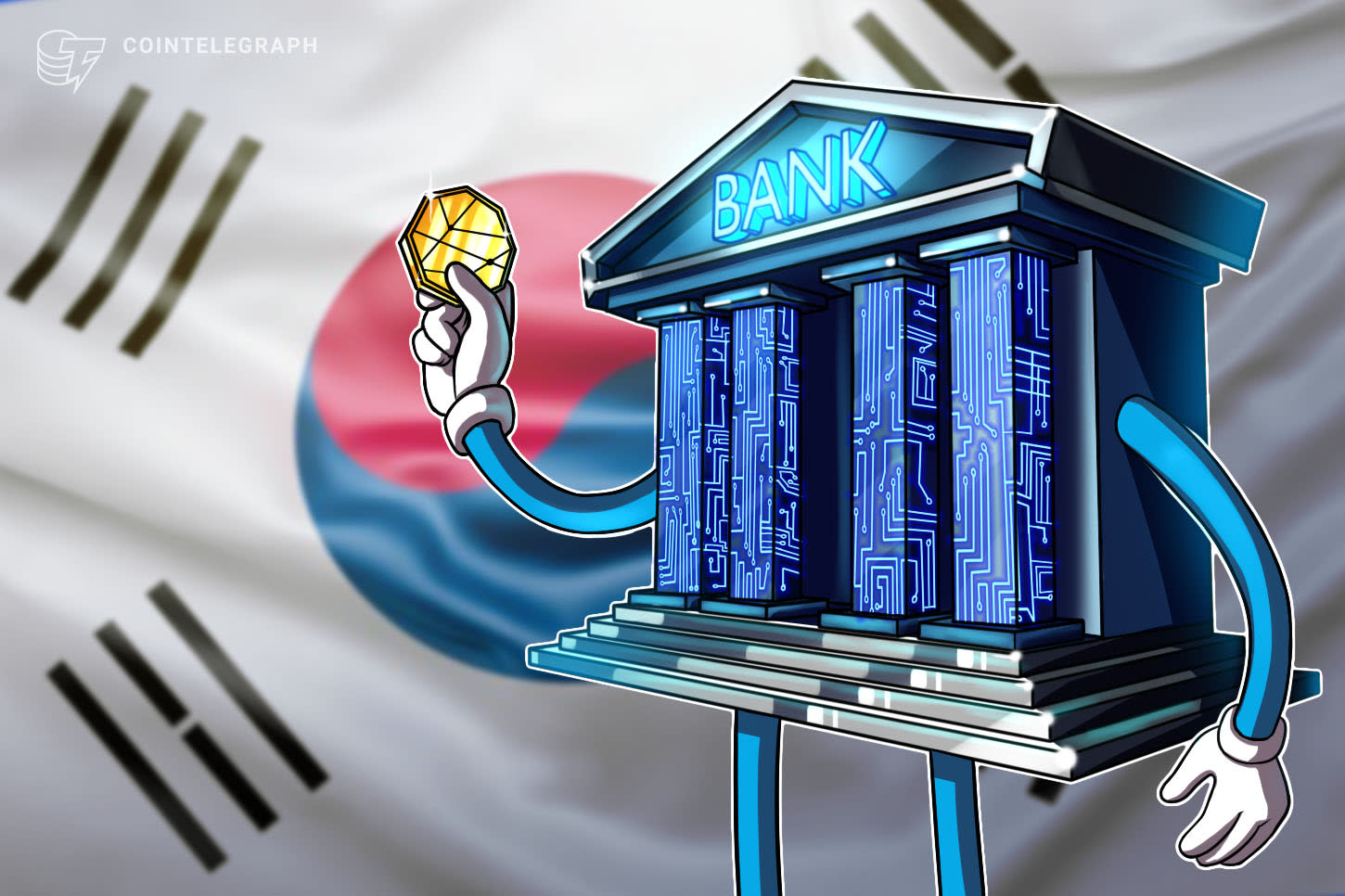
South Korea's proposed digital assets bill mandates bank-led stablecoin issuance while allowing fintech firms to maintain significant influence through strategic partnerships. This regulatory framework aims to balance monetary policy concerns with the need for innovation in the won-denominated token market.
The Future of Won-Denominated Stablecoins
South Korea is positioning itself to reshape the digital asset landscape with a newly unveiled draft bill from the Financial Services Commission (FSC). The proposed legislation seeks to regulate won-denominated stablecoins by mandating that issuance must be handled by consortiums where banks hold a collective majority stake. This move reflects the government's cautious approach to integrating decentralized finance into the formal banking system.
The Strategic Role of Fintech
While the FSC framework prioritizes bank oversight, it leaves significant room for fintech and technology companies to act as the largest individual shareholders within these consortia. According to a report by Tiger Research, the true value for these tech firms may lie not in the volume of stablecoins issued, but in the ecosystem of partners they cultivate. By establishing networks that facilitate the real-world spending of these tokens, fintech players can secure a dominant market position even without direct control of the underlying banking infrastructure.
Balancing Monetary Policy and Innovation
This legislative development follows a period of intense debate between South Korean regulators. The Bank of Korea has been a vocal proponent of bank-led issuance, largely out of concern for the potential impact of private digital currencies on national monetary policy. By centering the issuance process around banks, the FSC is attempting to mitigate systemic risks while providing a legal pathway for the adoption of stablecoins.
Implications for Market Dynamics
The requirement for consortium-based issuance suggests that the South Korean market will likely favor collaborative business models rather than standalone crypto-native ventures. For fintech companies, the ability to act as a bridge between traditional banking liquidity and digital consumer spending is now a critical competitive advantage. This structure is intended to ensure that while innovation flourishes, it remains tethered to the established financial oversight mechanisms of the state.
Future Trends and Conclusion
Looking ahead, the success of this regulatory framework will depend on how effectively these bank-fintech partnerships can scale. If the model proves successful, it could serve as a blueprint for other nations struggling to integrate stablecoins into their existing financial systems. Ultimately, South Korea’s approach signals a move toward a regulated, hybrid financial future where the stability of traditional banking and the agility of fintech firms are forced to work in tandem.