SpaceX declares Starship ready for orbit, sets launch date next week
Source Entity
Eric Berger
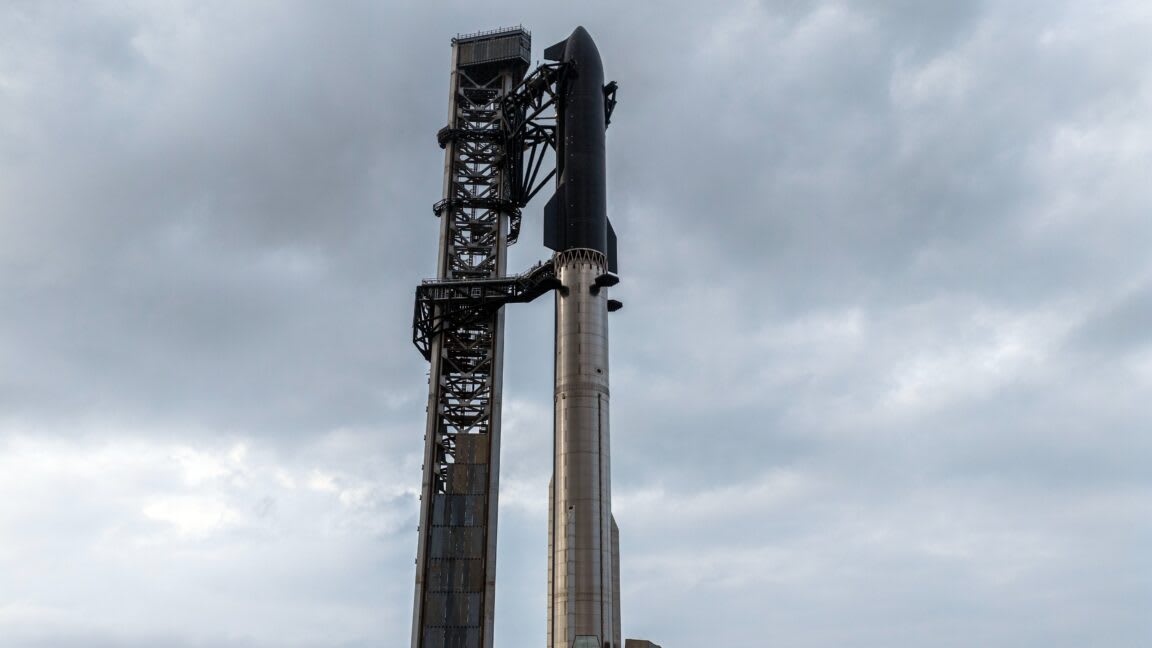
SpaceX is scheduled to launch its 14th Starship mission on September 22, marking its first-ever attempt to reach Earth orbit. The flight aims to deploy 26 V3 Starlink satellites while completing six orbital revolutions over a 10-hour duration.
SpaceX Prepares for Landmark Starship Orbital Flight
SpaceX has officially announced that the 14th test flight of its Starship mega-rocket is scheduled for September 22, with a launch window opening at 7:15 a.m. CT in Texas. This mission represents a critical pivot in the company's development timeline, as it marks the first time SpaceX will attempt to place the Starship upper stage into Earth’s orbit. Pending final regulatory approval, the launch is poised to be a defining moment for the aerospace industry.
Strategic Objectives and Payload Integration
Unlike previous test flights that focused primarily on flight dynamics and reentry capabilities, this mission carries a functional payload. The super heavy lift rocket is tasked with deploying 26 of the next-generation V3 Starlink satellites into an orbit 275 km above the Earth. Integrating satellite deployment into a test flight is a bold move that underscores the company’s confidence in the vehicle's maturation and its broader strategy to expand the Starlink constellation, which already numbers over 10,000 satellites.
Flight Profile and Technical Milestones
The mission parameters are ambitious, with the Starship upper stage planned to complete six full orbits around the Earth. The entire flight mission is expected to span approximately 10 hours, testing the vehicle's long-duration capabilities in the vacuum of space. By attempting to maintain orbit for this duration, SpaceX aims to validate the thermal protection and life-support systems of the upper stage, moving it closer to operational status for future crewed and cargo missions.
Economic and Corporate Implications
If successful, this flight will achieve a significant economic milestone: it will be the first Starship launch to generate revenue for SpaceX’s launch division. By utilizing the test flight to deploy operational Starlink hardware, SpaceX is effectively internalizing the cost of development while simultaneously bolstering its internet infrastructure. This marks the second test flight since SpaceX became a publicly traded entity, placing increased emphasis on the mission's success for stakeholders and investors monitoring the company's progress.
Future Trends and Outlook
The timing of the launch—at 7:15 a.m. CT, just minutes before sunrise in Brownsville—promises to provide significant visual data for engineering teams and spectacular imagery for the public. Should the mission successfully reach orbit, it will solidify Starship as the most powerful and versatile launch vehicle in history. Looking ahead, this success would likely accelerate the deployment of the V3 Starlink network and pave the way for more frequent, revenue-generating missions that move Starship from an experimental project to a workhorse of the orbital economy.