20 TMC rebels, 22 DMK MPs and Lok Sabha numbers game: Decoding delimitation maths
Source Entity
Latest News: Todays Latest News Headlines from India & World | Hindustan Times
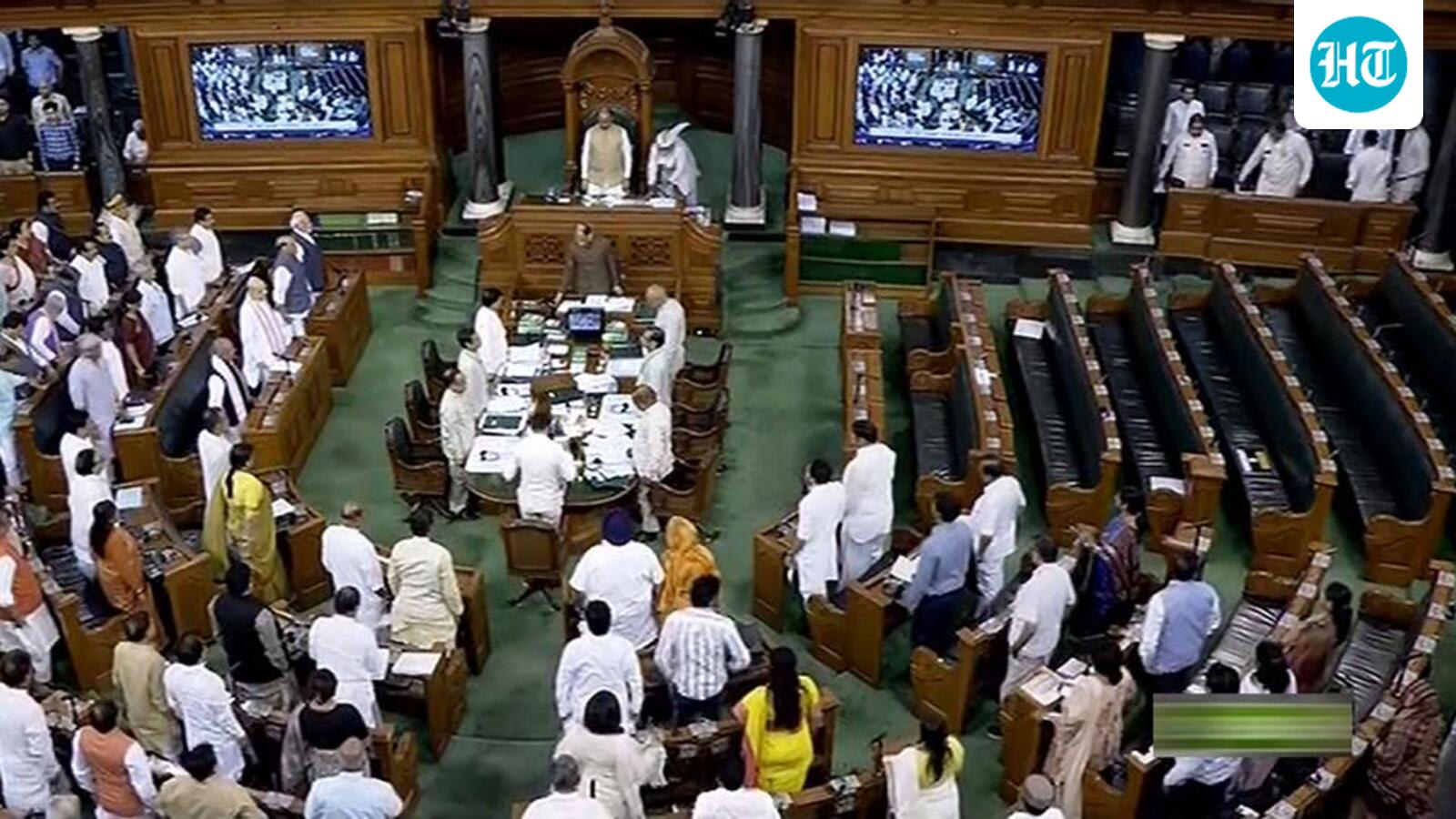
The Indian government has scheduled a special parliamentary session from November 30, 2026, to address key legislative agendas, including delimitation and the women's reservation bill. This move follows the previous failure of the 131st Constitution Amendment Bill to secure a required majority.
Special Parliament Session: A Strategic Legislative Move
The Indian government has officially proposed a special session of Parliament, with the Lok Sabha scheduled to reconvene on November 30, 2026, and the Rajya Sabha on December 2, 2026. This parliamentary maneuver is primarily aimed at addressing critical legislative business, specifically focusing on the contentious issues of electoral delimitation and the 33% reservation for women in the Lok Sabha. Parliamentary Affairs Minister Kiren Rijiju has confirmed that the government has formally requested the presiding officers to convene these sessions to ensure essential business is transacted before the proceedings conclude on December 3.
The Shadow of the 131st Amendment
The urgency behind this session stems from the legislative setback encountered in April, when the Constitution (131st Amendment) Bill failed to secure the necessary two-thirds majority in the Lok Sabha. This defeat was historic, marking the first instance of a government-backed constitutional amendment failing to pass since the National Democratic Alliance (NDA) assumed power in 2014. The bill, which aimed to raise the Lok Sabha's seat ceiling to 850 and implement the 33% women's quota, is now being revisited as a central pillar of the upcoming session’s agenda.
Delimitation and Electoral Integrity
A significant component of the government's strategy involves the controversial process of delimitation. Following the failure of the initial amendment, the government had previously withdrawn two linked bills: one mandating delimitation based on the 2011 census and another addressing corresponding changes in Union Territories. The revival of these discussions has sparked apprehension among opposition parties, particularly regarding the 'Special Intensive Revision' of electoral rolls. Critics argue that these procedural changes could fundamentally alter the political landscape before the 2029 general elections.
The Path Toward 2029
The primary objective of the proposed legislative package is to finalize the framework for the 2029 polls. By aiming to expand the Lok Sabha's capacity, the government intends to accommodate the shifting demographic realities of the nation. However, the nexus between delimitation and women's reservation remains a complex challenge. The government is essentially attempting to harmonize population-based seat allocation with gender-based representation, a task that requires a delicate balance of constitutional compliance and political consensus.
Future Trends and Political Implications
As the session approaches, the political climate remains tense. The government’s decision to push for these reforms indicates a determined effort to fulfill its long-standing legislative promises despite previous parliamentary hurdles. Moving forward, the success of this session will depend on the government's ability to build a broader consensus across party lines, as constitutional amendments require a robust majority that transcends simple party mandates. The upcoming days will be a critical test of parliamentary diplomacy and the government's capacity to navigate internal and external political pressures to pass these structural reforms.
Multiple Citing Sources
Verification Required?