Your spine could be ageing faster than you are: Signs you shouldn’t ignore
Source Entity
The Indian Express
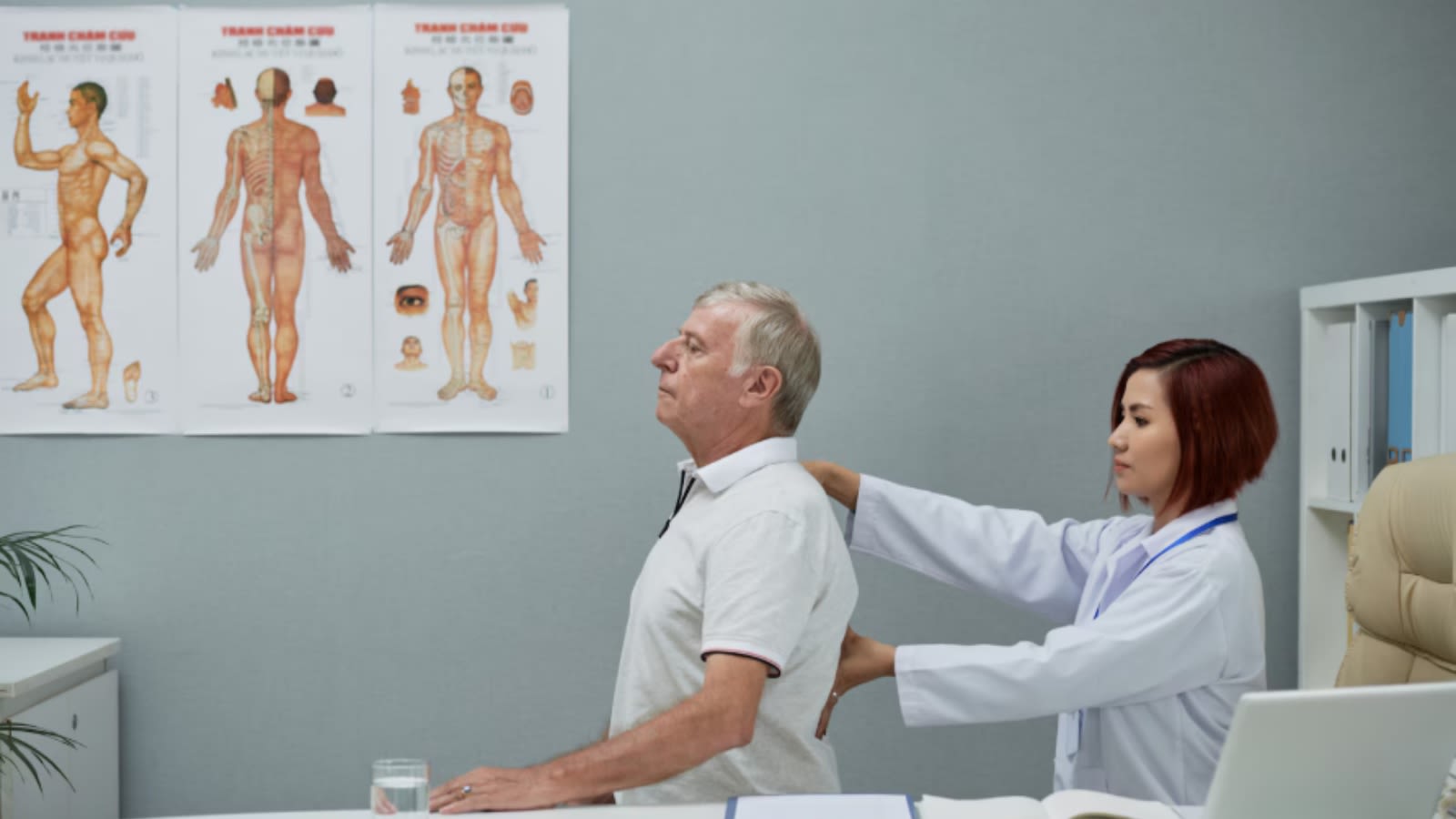
Spine surgeon Dr. Ram Chaddha explains that a person's 'spine age' can significantly exceed their chronological age due to premature degeneration. This discrepancy can occur even in the absence of obvious symptoms, highlighting the need for proactive spinal health awareness.
The Silent Crisis of Spinal Aging
Recent expert insights from spine surgeon Dr. Ram Chaddha have brought a critical, often overlooked aspect of human physiology to the forefront: the concept of 'spine age.' In a professional dialogue with neurologist Dr. Siddharth Warrier, Dr. Chaddha clarified that an individual’s skeletal health, specifically regarding the vertebral column, does not always align with their chronological age. This clinical observation suggests that structural degradation can occur independently of the passage of time, leading to a scenario where a relatively young adult may possess the spinal health profile of someone a decade or more their senior.
Understanding Spinal Discrepancy
The phenomenon described by Dr. Chaddha suggests that a 38-year-old individual could harbor the spinal degeneration typically expected in a 48-year-old. This biological mismatch is not merely a medical curiosity but a functional reality that affects mobility, pain thresholds, and long-term quality of life. The core of this issue lies in the wear and tear of spinal discs, ligaments, and joints, which can accelerate due to lifestyle factors, mechanical stress, and genetic predispositions long before the patient reaches their middle or senior years.
The Asymptomatic Nature of Degeneration
One of the most concerning aspects of premature spinal aging is its often silent progression. Dr. Chaddha emphasizes that significant degeneration can occur without the manifestation of obvious symptoms. This creates a false sense of security in younger populations who may feel physically capable while their musculoskeletal foundation is quietly deteriorating. Because the spine acts as the central pillar of the human frame, ignoring these early, subtle structural changes can lead to chronic conditions that are far more difficult to treat once they become symptomatic.
Implications of Lifestyle on Skeletal Integrity
While the context provided focuses on the clinical observation of spinal age, it invites a broader discussion on modern health trends. The sedentary nature of contemporary life—characterized by prolonged sitting, poor posture, and ergonomic neglect—serves as a primary driver for premature spinal degradation. When the spine is subjected to constant, improper loading, the physiological "age" of the discs and vertebrae advances rapidly. Understanding this link is essential for shifting the focus from reactive treatment to preventative spinal hygiene.
Future Trends in Spinal Health
As our understanding of biological versus chronological aging deepens, the medical community is moving toward more personalized diagnostic approaches. Future health trends will likely prioritize "spinal fitness" assessments as a routine part of adult physicals, rather than waiting for acute pain to trigger an examination. By identifying "older" spines in younger patients, doctors can implement targeted physical therapy and lifestyle modifications to halt or slow the degenerative process.
Conclusion
In conclusion, the insights shared by Dr. Ram Chaddha serve as a vital wake-up call for public health awareness. Recognizing that our internal biological markers may not match our birth certificates is a crucial step in maintaining long-term mobility. By prioritizing spinal health through conscious movement and early expert consultation, individuals can work toward aligning their spine age with their actual age, ensuring a more robust and pain-free future.