Barricades come up in Srinagar on eve of 1931 revolt anniversary
Source Entity
India Latest News: Top National Headlines Today & Breaking News | The Hindu
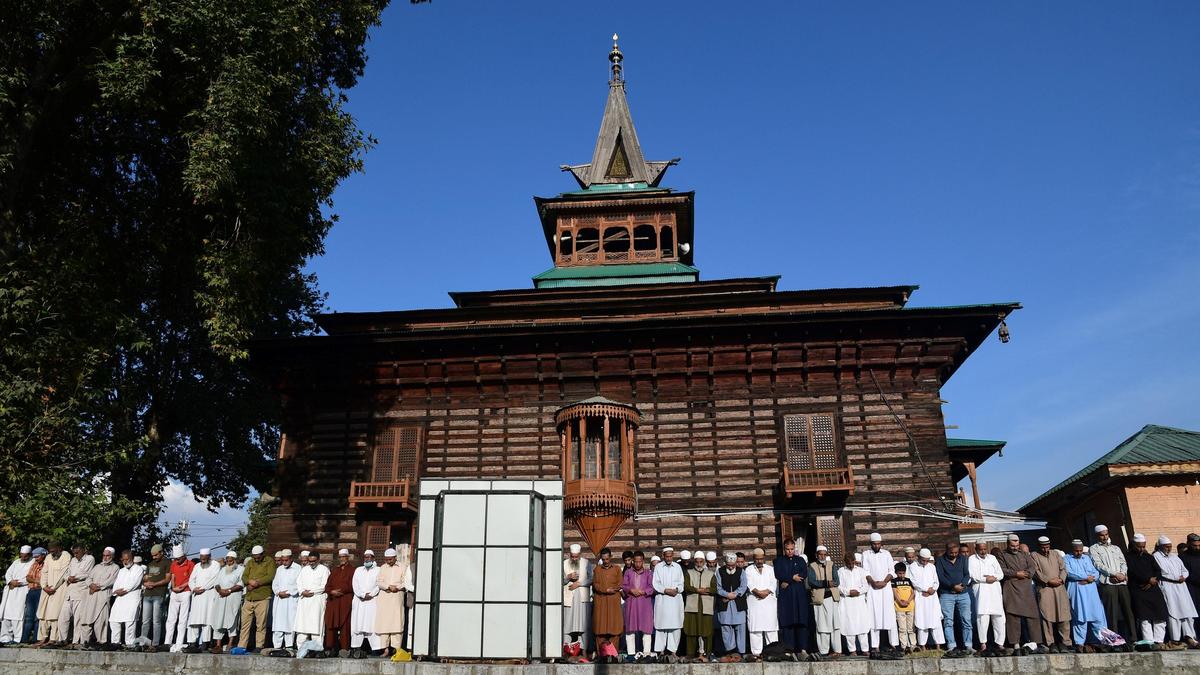
Since the Centre ended J&K’s special status in 2019, the L-G administration disallows regional parties from paying tributes at the Naqshband Sahib shrine
Security Tightens in Srinagar Ahead of 1931 Revolt Anniversary
In a move reflecting the ongoing security sensitivities in the Kashmir Valley, the administration in Srinagar has deployed extensive barricades and security measures on the eve of the anniversary of the 1931 revolt. This preemptive action is specifically aimed at restricting the movement of regional political parties who traditionally gather to pay tributes at the Naqshband Sahib shrine. The current atmosphere underscores the persistent tension between the administrative goals of the Union Territory and the political aspirations of local leadership.
The Historical Weight of the 1931 Revolt
To understand the significance of these barricades, one must look back to the events of July 1931. The 1931 revolt was a pivotal moment in the history of Jammu and Kashmir, marking a widespread uprising against the oppressive rule of the Dogra dynasty. This period saw the emergence of a distinct political consciousness among the Kashmiri people, blending demands for civil rights with a sense of regional identity. For decades, the anniversary of this revolt served as a symbolic date for regional parties to mobilize support and reaffirm their commitment to the struggle for autonomy and justice in the region.
Administrative Shift Post-2019
The dynamics of commemorating this event changed drastically following the August 2019 decision by the Central Government to abrogate Article 370, which ended the special status of Jammu and Kashmir. The transition from a state government to a Union Territory administered by a Lieutenant Governor (L-G) shifted the priority toward security-centric governance. Under the L-G administration, the state has seen a systematic reduction in the public celebration of politically sensitive anniversaries. The restriction on paying tributes at the Naqshband Sahib shrine is a direct manifestation of this policy, intended to prevent potential law-and-order disruptions and the gathering of crowds that could be leveraged for political demonstrations.
The Symbolic Role of Naqshband Sahib Shrine
The Naqshband Sahib shrine is more than a religious site; it is a historical landmark associated with the catalysts of the 1931 uprising. By blocking access to this specific location, the administration is effectively neutralizing a powerful symbol of regional resistance. For regional parties, the inability to visit the shrine represents a curtailment of their political expression and a disconnection from the historical narrative they seek to uphold. This creates a cycle of frustration where the act of restriction itself becomes a point of political contention.
Broader Implications and Future Trends
This pattern of restrictive security measures suggests a long-term strategy by the central administration to decouple regional political identity from historical grievances. By controlling the physical space of remembrance, the government aims to diminish the influence of regional parties and steer the narrative toward development and integration. However, such measures often risk alienating local populations who view the suppression of historical tributes as an erasure of their heritage. Looking forward, the tension between the L-G administration's security imperatives and the regional parties' demands for political space is likely to remain a defining feature of the valley's political landscape.
Conclusion
The erection of barricades in Srinagar for the 1931 revolt anniversary is a clear indicator of the current administrative climate in Jammu and Kashmir. While the L-G administration views these measures as essential for maintaining peace and stability, they serve as a stark reminder of the political shifts that have occurred since 2019. The struggle over who can pay tribute at the Naqshband Sahib shrine is a microcosm of the larger conflict between state-led security and regional political identity.
Verification Required?