St Lucie Nuclear Reactor Unit 1 manually shutdown, 3 control rods drop into core
Source Entity
Hacker News
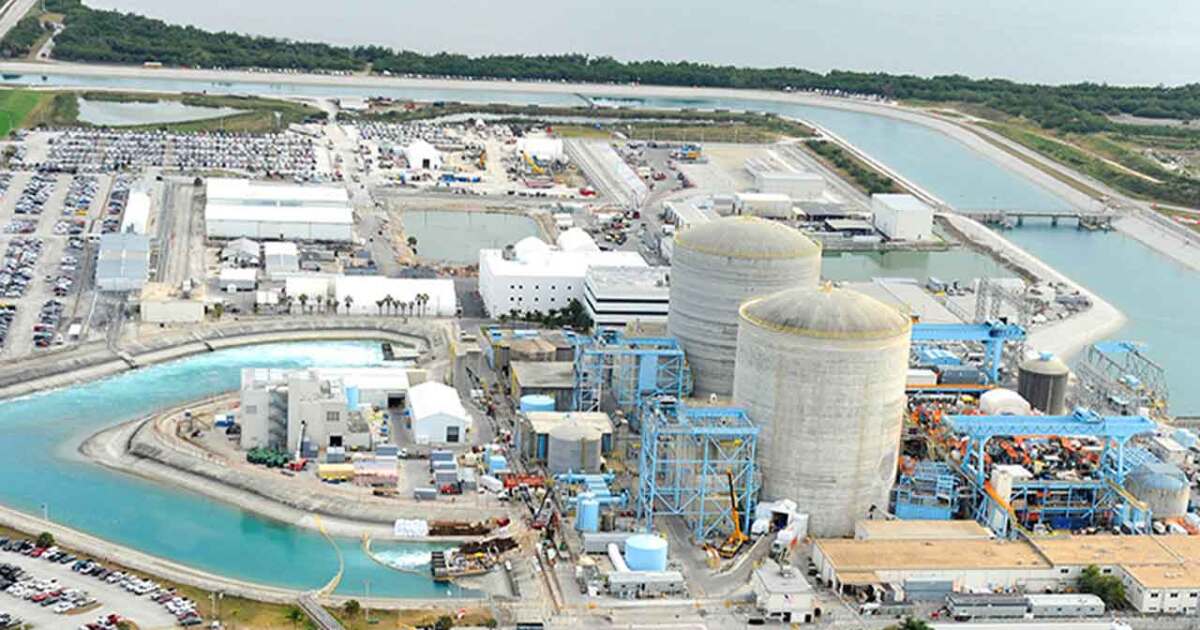
St. Lucie Nuclear Power Plant's Unit 1 was manually shut down on August 13, 2026, after three control rods unexpectedly dropped into the core. The NRC classified the event as a non-emergency, and the plant remains in a stable condition with Unit 2 unaffected.
Overview of the St. Lucie Unit 1 Reactor Trip
On the morning of August 13, 2026, the St. Lucie Nuclear Power Plant experienced a significant operational event when Unit 1, then operating at 100% capacity, was manually tripped. The decision to initiate a manual shutdown followed the unexpected insertion of three control rods into the reactor core. This procedure is a standard safety protocol designed to ensure the reactor remains in a subcritical state when unexpected mechanical or electrical anomalies are detected within the control rod drive system.
Understanding the Mechanism of Control Rods
Control rods are essential components in the operation of a pressurized water reactor (PWR), such as those at St. Lucie. They are composed of materials capable of absorbing neutrons, which allows operators to regulate the fission rate of the nuclear fuel. When these rods drop unexpectedly, it creates an imbalance in the reactor's neutron flux, necessitating an immediate cessation of power generation to prevent potential thermal stress or fuel damage. The fact that three rods dropped simultaneously indicates a specific technical fault in the control assembly mechanism rather than a broader system failure.
NRC Classification and Safety Protocols
According to the Nuclear Regulatory Commission (NRC), the event was officially classified as a non-emergency. This designation is crucial, as it confirms that the plant's redundant safety systems functioned exactly as intended. The manual trip performed at 9:47 a.m. EDT allowed operators to transition the reactor from Mode 1 (power operation) to Mode 3 (hot standby) in a controlled and deliberate manner. This transition ensures that the reactor remains cooled while engineers investigate the root cause of the rod drop.
Post-Trip Stabilization and Decay Heat Removal
Following the trip, the facility entered a stable state. The management of decay heat—the residual heat generated by radioactive decay after the fission process has stopped—is currently being handled by discharging steam to the main condenser. This process utilizes the plant's turbine bypass valves and main feedwater systems to maintain temperature control. Because the St. Lucie facility operates with two distinct units, the plant management confirmed that Unit 2 remains entirely unaffected by the mechanical issues observed in Unit 1, maintaining localized power stability.
Broader Implications for Nuclear Infrastructure
Incidents of this nature highlight the rigor of modern nuclear safety culture. By mandating a manual trip when anomalies occur, operators prevent minor mechanical malfunctions from escalating into significant safety risks. While this event necessitates an inspection of the control rod drive mechanisms, it serves as a testament to the effectiveness of the automated and manual intervention systems mandated by the NRC. Future trends in nuclear maintenance will likely focus on predictive diagnostics for rod drive systems to prevent such unscheduled outages in the future.
Conclusion
In summary, the shutdown of St. Lucie Unit 1 reflects a transparent and managed response to a mechanical irregularity. While any unscheduled shutdown impacts operational continuity, the successful transition to a stable, non-emergency state underscores the robustness of the facility's safety architecture. Ongoing investigations will determine the precise cause of the rod drop, ensuring that the reactor can return to service only once all safety parameters are verified.