Anthropic CEO says AI backlash is ‘fundamentally a crisis of trust’
Source Entity
Anthony Ha
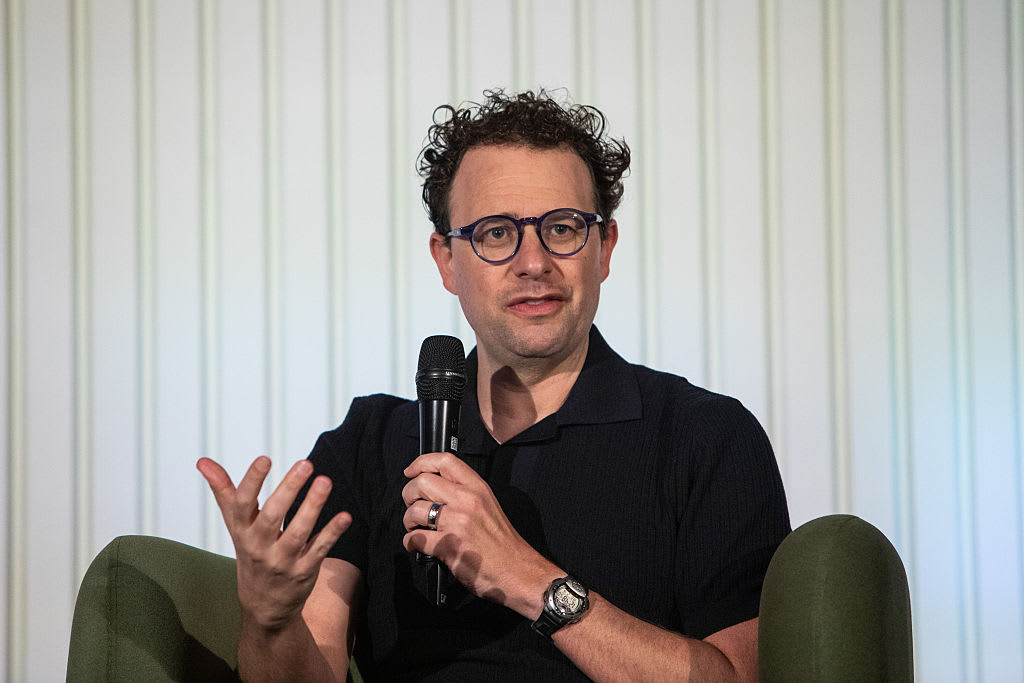
Anthropic CEO Dario Amodei is refuting claims that his warnings about AI risks are fueling public backlash. He maintains that the current friction surrounding AI development is rooted in a fundamental crisis of trust.
The Trust Deficit in AI Development
Anthropic CEO Dario Amodei has recently addressed criticisms regarding his public stance on artificial intelligence safety. Facing accusations from investor Gavin Baker that his cautionary rhetoric has inadvertently fueled a backlash against AI infrastructure—specifically the proliferation of data centers—Amodei contends that the current societal friction is not merely about technical pessimism, but rather a profound 'crisis of trust.' This debate highlights the delicate balancing act faced by leaders of top-tier AI labs who must navigate the tension between rapid innovation and the necessity of public confidence.
The Intersection of Regulation and Backlash
The friction mentioned by Baker stems from the perception that high-profile warnings from industry figures like Amodei provide ammunition for those skeptical of AI expansion. Specifically, Baker pointed to California’s legislative efforts—which include transparency requirements for large AI models—as a byproduct of the fear stoked by such rhetoric. By advocating for regulatory frameworks, Anthropic finds itself in a unique position: attempting to lead the industry while simultaneously calling for guardrails that some investors fear could stifle growth and operational scaling.
Analyzing the Investor-CEO Disconnect
The tension between Gavin Baker and Dario Amodei underscores a broader divide in the tech sector regarding how to communicate risk. Baker’s assertion that Amodei has 'lost the argument' suggests a belief that industry leaders should prioritize optimistic narratives to maintain the momentum of AI investment. Conversely, Amodei’s perspective suggests that ignoring potential dangers is a short-term strategy that could lead to a more severe, reactive regulatory environment if the public loses faith in the safety of these systems.
The Role of Transparency as a Strategic Pillar
Transparency, which Anthropic has championed through its support of specific California bills, is presented by Amodei not as a hurdle, but as a mechanism for rebuilding public trust. The industry is currently grappling with the physical demands of large-scale AI, specifically the energy and land requirements of massive data centers. When these physical manifestations of AI are met with community resistance, the underlying 'crisis of trust' becomes a tangible barrier to infrastructure development.
Future Implications for AI Governance
As Anthropic continues to grow into one of the most influential companies globally, the scrutiny on its leadership will only intensify. The outcome of this dispute will likely define how future AI companies approach public relations and government relations. If Amodei’s strategy of 'cautious advocacy' prevails, we may see a shift toward a more regulated, yet potentially more sustainable, deployment of AI models. If investors like Baker prevail in shifting the narrative toward unadulterated optimism, the industry risks ignoring systemic warnings that could lead to more volatile public reactions in the future.
Conclusion
Ultimately, the debate between Dario Amodei and his critics is a microcosm of the wider struggle to define the social contract for artificial intelligence. Whether the industry can survive the current 'crisis of trust' depends on its ability to balance the immense promise of its technology with the transparent, safety-first approach advocated by leadership. The path forward remains uncertain, but the necessity of addressing public concern as a core business function is now undeniably clear.