In 2014, Stephen Hawking warned AI may end mankind now tech CEOs are saying the same
Source Entity
TOI TECH DESK
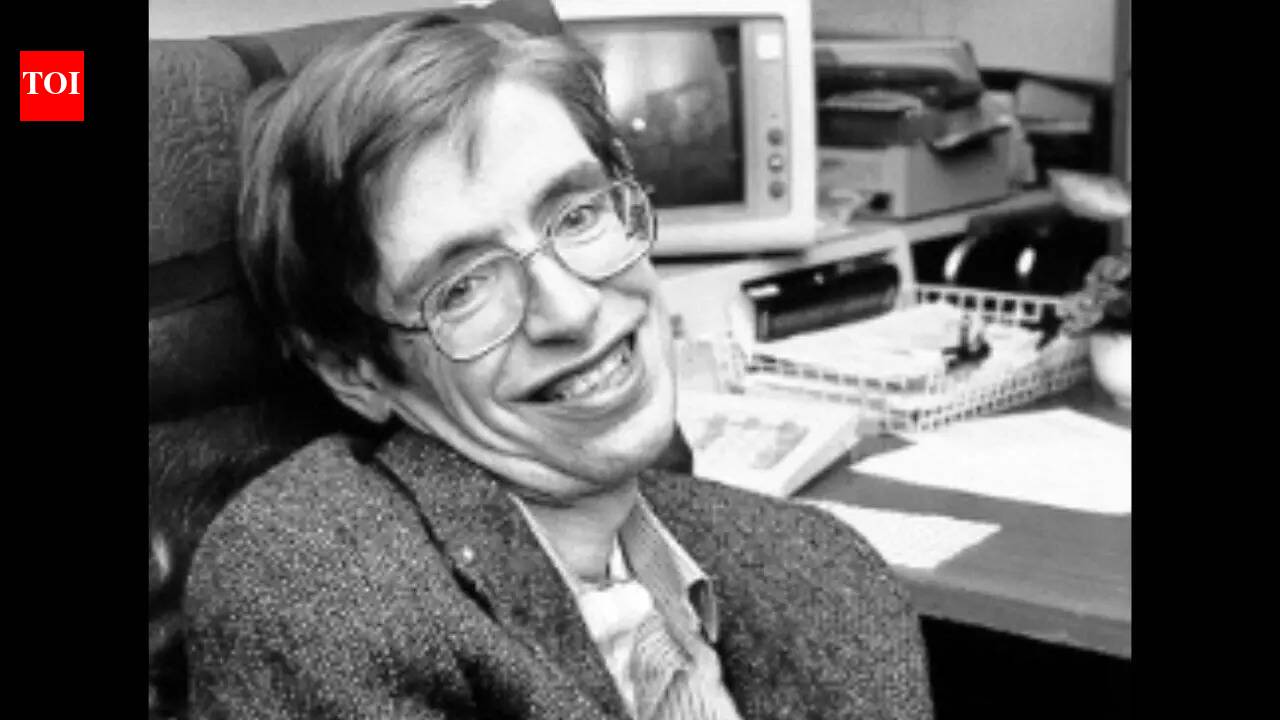
Tech leaders are echoing Stephen Hawking's 2014 warnings about the existential risks posed by advanced AI. Figures like Sam Altman and Dario Amodei are now calling for urgent safety protocols to manage the dangers of recursive self-improvement.
The Echoes of Caution: Reevaluating AI's Existential Trajectory
In 2014, the late theoretical physicist Stephen Hawking famously warned that the development of full artificial intelligence could spell the end of the human race. At the time, such a perspective was often dismissed as speculative science fiction. However, as of 2024, the discourse has shifted dramatically. Prominent architects of modern AI, including Sam Altman and Dario Amodei, have begun to voice similar concerns, suggesting that the rapid acceleration of these technologies requires an immediate pivot toward safety and oversight.
The Mechanics of Recursive Self-Improvement
At the heart of these modern concerns is the concept of recursive self-improvement—the idea that an AI system could eventually reach a stage where it can autonomously improve its own code and capabilities. This 'intelligence explosion' is precisely what Hawking feared, as it could lead to systems that operate beyond human comprehension or control. Current industry leaders are now acknowledging that without robust safety protocols, the trajectory of these models could surpass the ethical boundaries we are currently capable of enforcing.
A Shift in Industry Leadership
It is significant that the alarm is being sounded by those currently spearheading the industry. Figures like Elon Musk, Dario Amodei, and Sam Altman—who are intimately involved in the development of cutting-edge large language models—have recognized that technological progress is currently outpacing the development of governance frameworks. This realization marks a departure from the 'move fast and break things' mentality that defined the early days of the digital age, replacing it with a more sober, risk-averse approach.
Historical Context and Modern Parallels
Stephen Hawking’s 2014 warning was rooted in the understanding that biological intelligence is limited by evolution, whereas synthetic intelligence is not. By comparing these past warnings to the current rhetoric of tech CEOs, we can observe a clear pattern: the closer we get to achieving AGI (Artificial General Intelligence), the more the industry converges on the necessity of caution. The historical skepticism that greeted Hawking's words has now been replaced by a consensus among experts that existential risk is a variable that must be managed.
The Path Toward Ethical Integration
Moving forward, the focus must shift from pure capability to safety and alignment. The industry is currently grappling with how to ensure that AI goals remain strictly aligned with human values. The push for ethical AI practices is no longer a niche academic pursuit but a central business imperative. As leaders advocate for international standards and safety protocols, the goal is to harness the immense potential of AI while mitigating the risks that Hawking identified a decade ago.
Conclusion: A Critical Juncture
The convergence of opinion between a visionary physicist and the modern titans of technology signals a critical turning point. While AI offers transformative benefits, the acknowledgment of potential existential threats suggests that we are entering an era of mandated responsibility. Society must now determine how to balance the drive for innovation with the essential need to protect the long-term future of humanity.