Strait of Hormuz blocked, oil flows diverted: Is there a way out?
Source Entity
The Indian Express
The Express Global Desk at indianexpress.com which delivers authoritative, verified, and context-driven coverage of key international developments shaping global politics, policy, and migration trends...
Analysis of the Strait of Hormuz Blockage and Global Oil Disruptions
The Strategic Criticality of the Strait of Hormuz
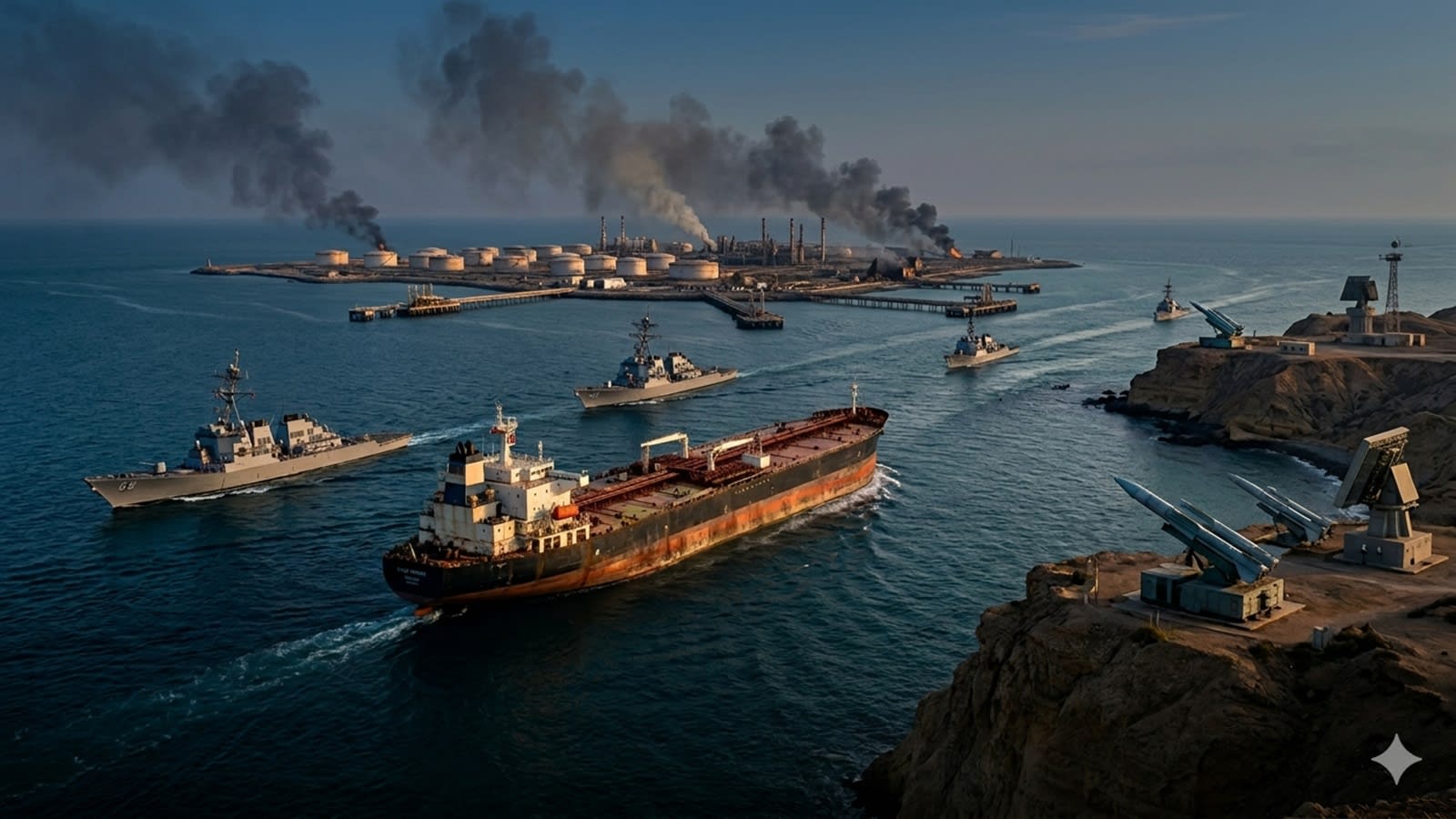
The reported blockage of the Strait of Hormuz represents one of the most severe geopolitical risks to the global economy. As the only sea passage from the Persian Gulf to the open ocean, the Strait is the primary artery for the transport of crude oil and liquefied natural gas (LNG) from major producers including Saudi Arabia, Iraq, Kuwait, and the UAE. Because a significant portion of the world's daily oil consumption passes through this narrow waterway, any blockage—whether through military action, accidents, or political brinkmanship—creates an immediate supply-side shock that reverberates across global energy markets.
Implications of Diverted Oil Flows
When oil flows are diverted away from the Strait, the global supply chain faces immense pressure. Diversion typically involves utilizing overland pipelines to bypass the Strait, such as those running to the Red Sea or the Gulf of Oman. However, these pipelines often lack the capacity to handle the total volume of oil normally transported by tankers. The resulting bottleneck leads to a sharp increase in Brent and WTI crude prices, as markets price in the risk of scarcity. Furthermore, the diversion of tankers to longer, more expensive routes increases shipping costs and insurance premiums, contributing to inflationary pressures on consumer goods worldwide.
Economic and Market Volatility
From a business and financial perspective, a blockage of this magnitude triggers extreme volatility in energy futures. The uncertainty regarding the duration of the blockage often leads to speculative trading, which can decouple oil prices from actual supply-and-demand fundamentals. For oil-importing nations, particularly in Asia (such as India, China, and Japan), the disruption threatens industrial productivity and energy security. The reliance on a single chokepoint exposes the fragility of the global 'just-in-time' energy delivery model, forcing nations to draw from strategic petroleum reserves (SPR) to mitigate short-term shortages.
Geopolitical Tensions and the 'Way Out'
The question of whether there is a 'way out' involves a complex interplay of diplomacy and deterrence. Historically, the Strait has been a flashpoint for regional conflicts. A resolution typically requires high-level diplomatic mediation to ensure the 'freedom of navigation,' a principle upheld by international maritime law. However, if the blockage is a result of strategic aggression, the international community may consider naval escorts or multilateral sanctions. The tension arises from the balance between avoiding a full-scale military escalation and the necessity of keeping the global economy afloat by reopening the waterway.
Long-term Trends in Energy Security
This event underscores a broader global trend toward energy diversification. To reduce vulnerability to such chokepoints, nations are increasingly investing in renewable energy and exploring alternative trade corridors. We are likely to see an acceleration in the development of trans-continental pipelines and a strategic shift toward diversifying oil sources from the Americas and Africa. The vulnerability of the Strait of Hormuz serves as a catalyst for the global transition away from a heavy reliance on Persian Gulf hydrocarbons.
Conclusion
In summary, the blockage of the Strait of Hormuz is not merely a regional crisis but a global economic emergency. The diversion of oil flows provides a temporary and insufficient buffer against the massive loss of transit capacity. Resolving the crisis requires a delicate balance of diplomatic pressure and strategic planning, while the long-term solution lies in diversifying energy sources to ensure that no single geographic point can hold the global economy hostage.