Brian Sullivan: Gulf nations are unlikely to agree to a toll plan for Strait of Hormuz safe passage
Source Entity
US Top News and Analysis
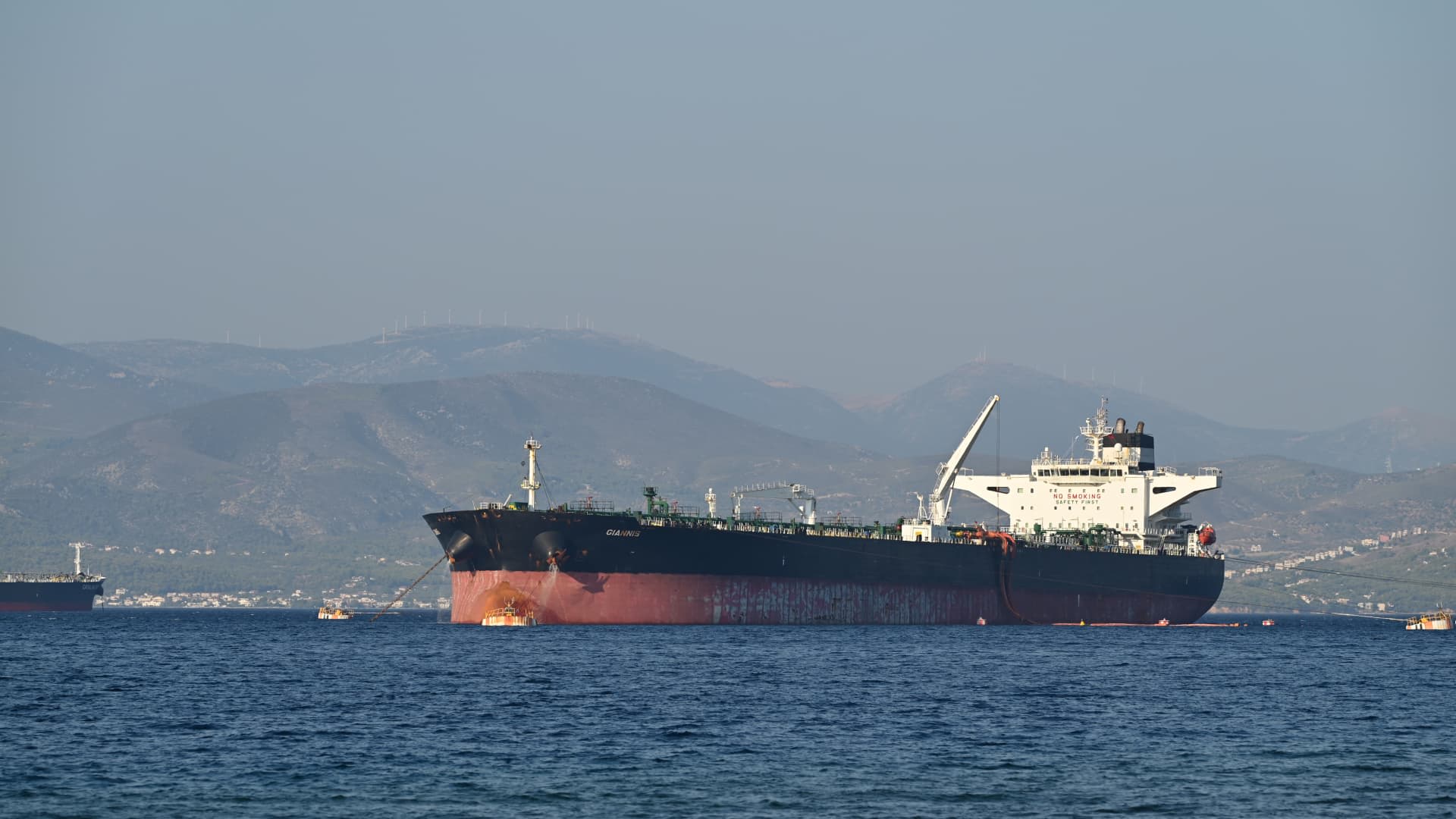
Energy analysts indicate that Gulf nations are unlikely to accept toll-based passage through the Strait of Hormuz. Despite ongoing geopolitical tensions and Iranian claims of control, the strategic waterway remains a critical, albeit diminished, transit point for global oil supplies.
The Geopolitical Fragility of the Strait of Hormuz
Recent expert insights from energy sector observers suggest that Gulf nations are highly unlikely to reach a consensus regarding the implementation of a toll system for safe passage through the Strait of Hormuz. This vital maritime chokepoint, which historically facilitated the transit of approximately 20% of the world’s oil supply, is currently experiencing a period of significant operational flux. The reluctance of regional powers to formalize a fee-based structure stems from the complex diplomatic landscape and the potential for such tolls to be viewed as a violation of international maritime law or an escalation of regional tensions.
Diminished Throughput and Economic Implications
Data indicates that the volume of oil and refined products moving through the Strait has dropped considerably compared to pre-war levels observed at the start of the year. This reduction is not merely a logistical shift but a reflection of the heightened risk environment that characterizes the Gulf corridor. As energy insiders highlight, the market is no longer supplied at the levels previously established, forcing global stakeholders to grapple with the economic consequences of a less predictable supply chain in one of the world's most sensitive energy arteries.
The Assertion of Regional Power
Central to the instability in the region is Iran’s persistent assertion of control over significant portions of ship traffic within the Strait. While the actual extent of Tehran’s tactical dominance remains a subject of intense debate among international analysts, the claim of power itself serves as a powerful deterrent and a tool of geopolitical leverage. By positioning itself as a gatekeeper of this narrow seaway, Iran creates a persistent atmosphere of uncertainty that complicates any efforts by Gulf nations to manage the waterway through formal cooperation or neutral toll agreements.
Historical Context of Maritime Security
The Strait of Hormuz has long served as a focal point for global economic stability, and its vulnerability has frequently influenced international energy prices. Historically, any suggestion of restricting access or introducing non-standard transit regulations—such as a toll—has been met with skepticism by the international community, which favors the principles of free and open navigation. The current pushback from Gulf nations against such proposals aligns with a broader strategy of maintaining regional stability and preventing further disruptions to global energy exports.
Future Trends and Strategic Outlook
Looking ahead, the debate surrounding the Strait of Hormuz is likely to remain stalled. As long as the geopolitical rivalry in the Middle East persists and Iran continues to challenge the status quo, the implementation of a unified toll system remains improbable. Global markets should expect continued volatility, as the combination of reduced transit volumes and the unresolved question of maritime jurisdiction continues to weigh on the minds of energy traders and policymakers worldwide. The focus will likely remain on maintaining existing, albeit fragile, channels of communication to ensure that the flow of energy is not completely severed.