Iran claims control, ships choose Omani route: What's changing in Strait of Hormuz
Source Entity
AADRITA HALDER
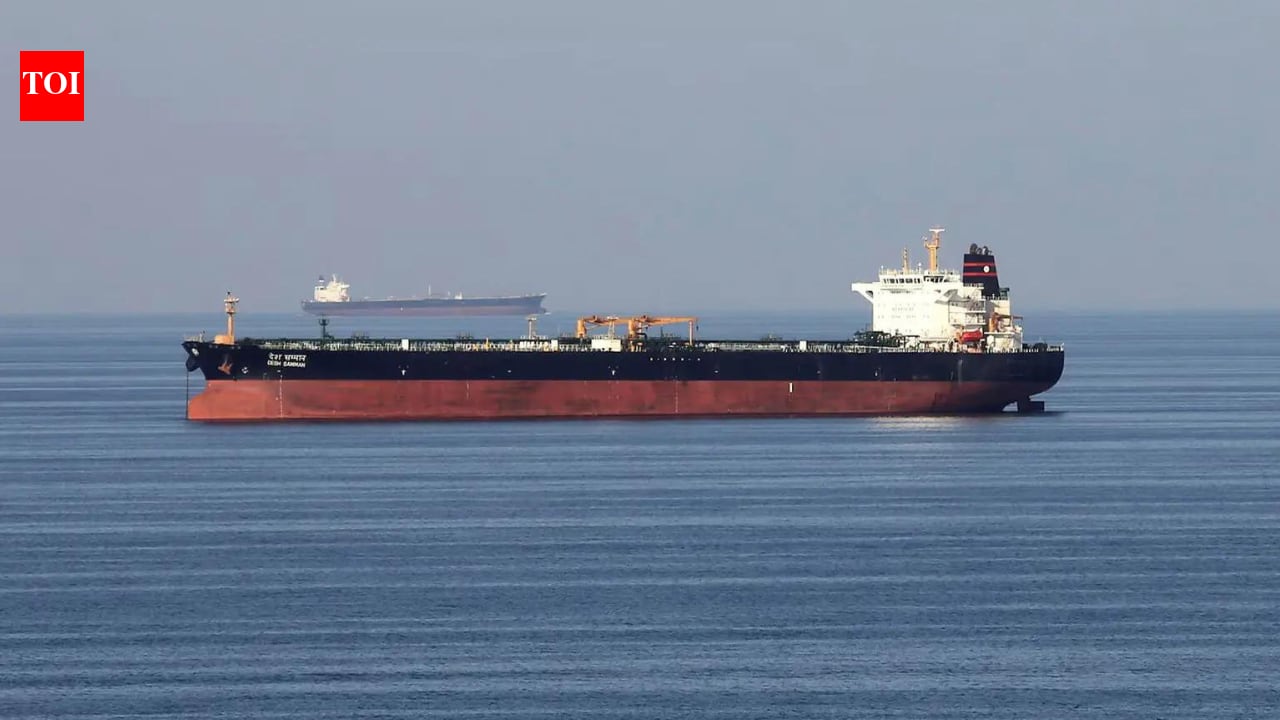
The Strait of Hormuz has become a critical focal point in US-Iran tensions, with 80% of shipping shifting to the Omani route. The US is currently employing a 'low-key' strategy, utilizing naval patrols and economic sanctions to maintain influence while avoiding open military conflict.
The Shifting Power Dynamics in the Strait of Hormuz
The Strait of Hormuz remains one of the world’s most critical maritime chokepoints, and recent developments indicate a significant shift in operational control. As tensions between the United States and Iran persist, the waterway has transformed into a high-stakes bargaining chip. Recent data suggests that Iran’s historical ability to dictate traffic through the strait is waning, as shipping patterns undergo a strategic transformation.
The Shift to the Omani Route
Evidence from maritime tracking platforms reveals that more than 80% of vessels transiting the strait over the past two weeks have opted for the Omani route—a UN-authorized channel. This shift is not merely logistical; it represents a tactical retreat from the areas where Iran has traditionally asserted its dominance. With at least 95 vessels recorded passing through the region last week alone, the data suggests that international shippers are prioritizing routes that fall under the security umbrella of US naval patrols.
The 'Low-Key' Strategy
Following the expiration of a 60-day deadline established in a June agreement, the United States has adopted a 'low-key' strategy. Rather than pursuing immediate military escalation, the administration is focusing on a combination of persistent naval blockades and stringent economic sanctions. This approach seeks to maximize pressure on Tehran while keeping a diplomatic window open, reflecting a desire to avoid the risks of a full-scale regional war.
Economic Pressure vs. Diplomatic Deadlock
The effectiveness of this 'low-key' approach hinges on the belief that economic strangulation will eventually force Iran back to the negotiating table. By maintaining a naval presence, the US is actively challenging Iran’s claims of control, effectively neutralizing Iran's ability to use the strait as a primary military threat. However, this strategy carries inherent risks; while it avoids immediate kinetic conflict, it creates a prolonged state of uncertainty that can impact global shipping insurance and energy prices.
The Future of the Strait
The current impasse is defined by a lack of both new military strikes and a formal peace deal. Backchannel communications remain active, yet both sides continue to test each other’s resolve. The future of the Strait of Hormuz will likely be determined by the durability of the current US naval posture and whether economic pressure can sufficiently alter Iran's strategic calculations regarding its nuclear program and regional influence. As long as shipping traffic flows through the Omani route, the US maintains a distinct tactical advantage in this ongoing standoff.