Literature is more powerful than history: Su. Venkatesan
Source Entity
India Latest News: Top National Headlines Today & Breaking News | The Hindu
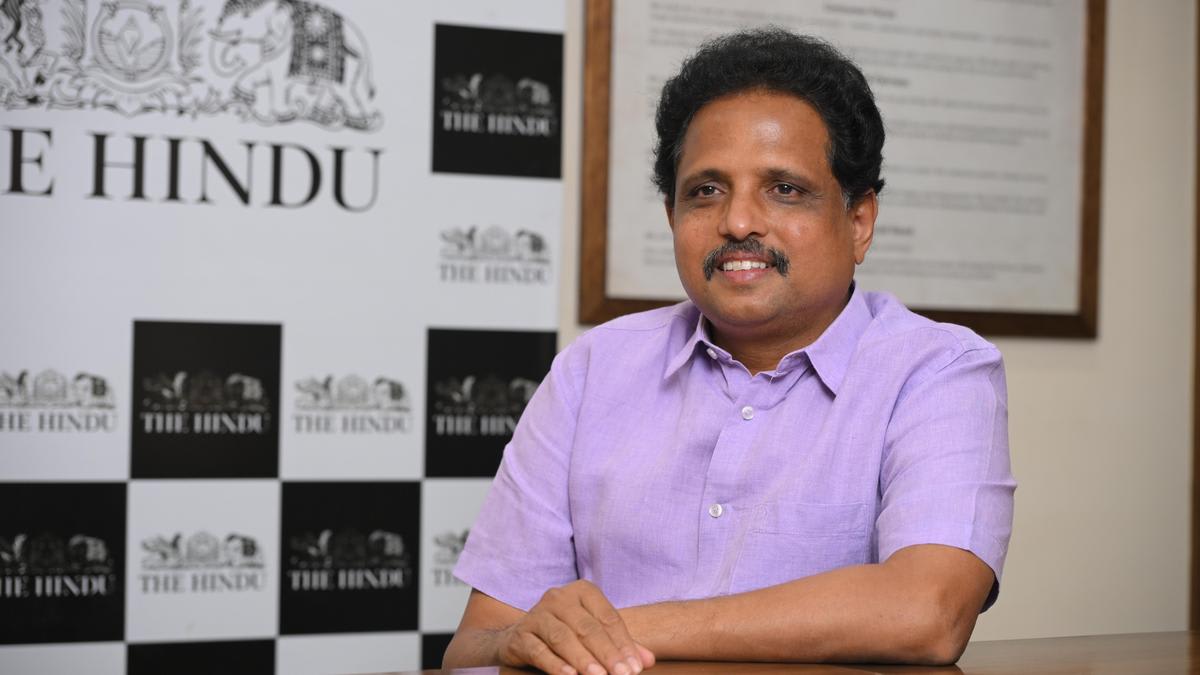
Sahitya Akademi award-winning author Su. Venkatesan argues that literature is a more potent medium than traditional history for conveying human truths. By using historical backdrops to mirror contemporary struggles, he believes writers can create a more profound societal impact.
The Intersection of Memory and Narrative: Su. Venkatesan’s Literary Philosophy
The Power of Narrative Over Fact
Sahitya Akademi award-winning writer and Member of Parliament Su. Venkatesan has sparked a compelling dialogue on the role of storytelling in shaping historical understanding. By asserting that literature is more powerful than merely writing history directly, Venkatesan challenges the traditional boundaries between academic documentation and creative expression. His perspective suggests that while history provides the skeletal data of the past, literature provides the nervous system—the emotional and psychological resonance that makes the past feel immediate and relevant to the human experience.
History as a Contemporary Tool
At the heart of Venkatesan's philosophy is the belief that history is a functional tool rather than a static record. During his address at The Hindu, he emphasized that the human condition remains cyclical, noting that the events of yesterday are inextricably linked to the occurrences of today. By framing his work as a reflection of contemporary people against a historical backdrop, he bridges the gap between ancient chronicles and modern societal struggles, arguing that the temporal distance of 2,000 years is irrelevant when the core themes of power, justice, and humanity remain unchanged.
The Case of Kaval Kottam
Venkatesan’s debut novel, Kaval Kottam, serves as a primary case study for his methodology. By choosing the novel format over a standard historical treatise to explore the history of Madurai, he prioritized the evocative power of narrative. This choice allows for a nuanced exploration of historical events that raw data often obscures. By weaving historical facts into the fabric of a literary epic, he ensures that the cultural heritage of a region is not just preserved in archives but felt by the reader.
The Impact of Literary Engagement
The broader implication of this approach is a democratization of history. When history is confined to textbooks, it can often feel inaccessible or detached from the lived reality of the common citizen. Literature, however, invites readers to inhabit the past, fostering empathy and a deeper understanding of the origins of current social dynamics. Venkatesan’s method suggests that authors have a unique responsibility to use the past as a lens to focus on the present, thereby influencing public discourse and collective memory more effectively than traditional historical writing.
Future Trends in Historical Fiction
As we look toward the future of literary expression, it is likely that the trend of blending historical research with creative narrative will continue to gain traction. Writers who treat history as a living, breathing entity—much like Venkatesan—are better positioned to engage younger generations who seek meaning in the past. By prioritizing the 'human story' over the 'historical fact,' authors can ensure that historical legacies are not just remembered as dates and events, but understood as the foundational pillars of our contemporary identity.
Verification Required?