Banks, NBFCs cannot use force to seize vehicles in loan default cases: Supreme Court
Source Entity
Ananthakrishnan G
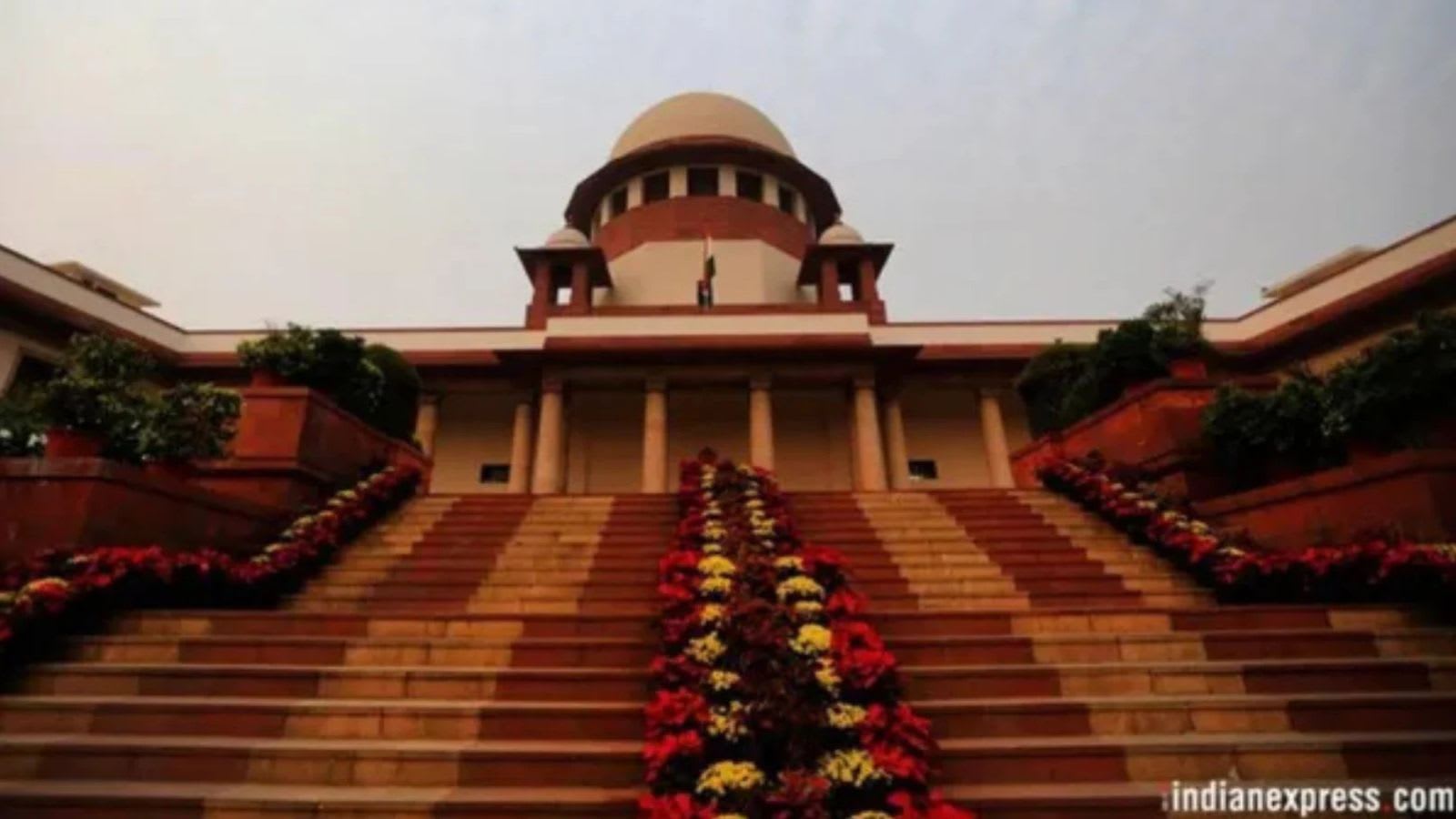
The Supreme Court has issued a directive to the RBI to strictly enforce loan recovery guidelines, banning banks and NBFCs from using force to seize vehicles. The court emphasized that contractual agreements do not grant lenders the right to bypass legal procedures or violate borrower rights.
Supreme Court Curbs Coercive Loan Recovery Practices
In a landmark observation, the Supreme Court of India has issued a stern directive to the Reserve Bank of India (RBI) to ensure that banks and Non-Banking Financial Companies (NBFCs) adhere strictly to established guidelines regarding loan recovery. The court emphasized that a default on a loan does not grant lenders a license to employ strong-arm tactics or forcibly seize assets, particularly vehicles, from borrowers. This ruling serves as a vital intervention against the systemic exploitation often faced by individuals of modest means who rely on financed assets for their daily livelihoods.
The Failure of Existing Regulatory Frameworks
The bench, comprising Justices P.S. Narasimha and Alok Aradhe, highlighted a critical gap between policy and practice. While the RBI has issued various master circulars and guidelines intended to regulate the conduct of recovery agents, the court observed that these measures have remained largely "on paper." By failing to implement these oversight mechanisms, financial institutions have operated with a sense of impunity, often conducting repossessions "in the dead of night" without providing adequate notice or legal recourse to the borrower.
Balancing Contractual Rights and Human Dignity
While the court acknowledged that a financier’s right to repossess a vehicle is a standard clause in credit contracts—essential for the commercial viability of lending to lower-income segments—it categorically stated that such rights must exist within the framework of the law. The court clarified that contractual agreements cannot override fundamental legal processes. The "right to take possession" does not grant a carte blanche to break locks or intimidate debtors, as such actions undermine the rule of law and the dignity of the individual.
Implications for the Banking and NBFC Sector
This directive mandates that the RBI must now transition from a passive regulator to an active enforcer. Financial institutions will likely face increased scrutiny regarding their third-party recovery agencies. For the banking sector, this necessitates a shift in culture, moving away from aggressive, profit-driven recovery models toward procedures that align with consumer protection laws. Banks and NBFCs must now ensure that their recovery processes are transparent and legally sound to avoid potential litigation or regulatory penalties.
Future Trends in Debt Collection
Looking ahead, this ruling is expected to force a technological and procedural overhaul in how debt is managed in India. We can anticipate stricter monitoring of recovery personnel and potentially more robust grievance redressal mechanisms for borrowers. By curbing the "dead of night" repossession culture, the judiciary is reinforcing the principle that financial necessity does not strip a citizen of their rights. Ultimately, this move aims to create a more equitable credit ecosystem where institutional risk management does not come at the cost of basic human rights.