‘Swachhata Hi Seva 2026’ campaign commences today
Source Entity
The Indian Express
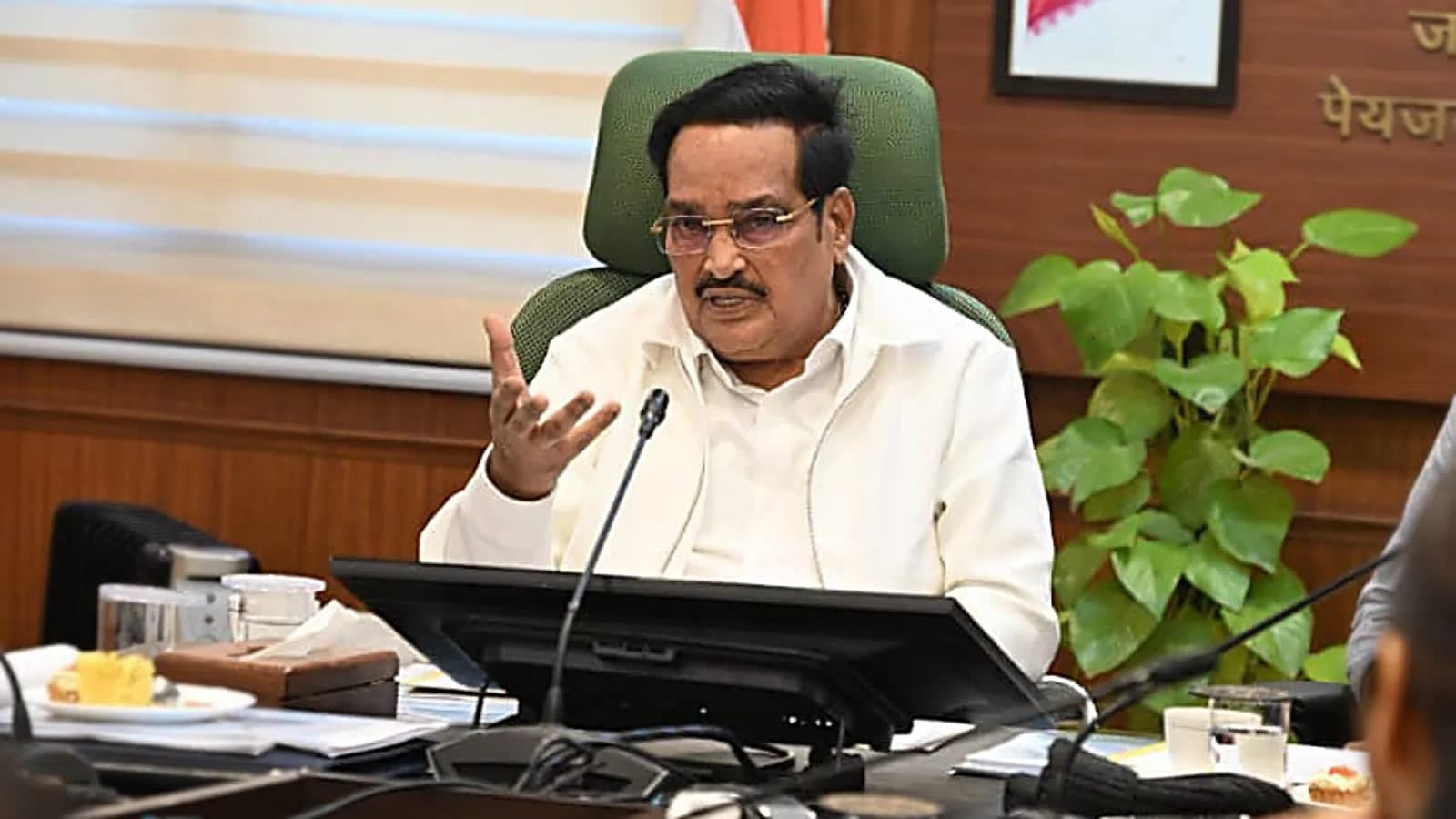
The 'Swachhata Hi Seva-2026' campaign has launched nationwide, focusing on public participation and sanitation worker welfare. In Visakhapatnam, the GVMC is spearheading local drives centered on community engagement and infrastructure maintenance.
Nationwide Launch of Swachhata Hi Seva-2026
The 2026 edition of the 'Swachhata Hi Seva' campaign has officially commenced, marking a renewed national commitment to sanitation and public hygiene. Announced by Union Jal Shakti Minister C.R. Patil, the campaign operates under the theme ‘Swachhata Mein Sahbhag, Swachh Bharat, Viksit Bharat.’ This initiative, which coincides with the birthday of Prime Minister Narendra Modi, emphasizes shifting the perception of cleanliness from a purely government-led program to a robust, citizen-driven mass movement.
Local Implementation in Visakhapatnam
At the municipal level, the Greater Visakhapatnam Municipal Corporation (GVMC) has mobilized to execute the campaign’s objectives. GVMC Commissioner Ketan Garg announced that the city’s efforts would kick off at G.R. Nagar Colony in the East Zone. By focusing on specific urban clusters, the GVMC aims to demonstrate tangible improvements in sanitation through targeted cleanliness drives and public awareness programs that encourage residents to take direct ownership of their local environments.
The Five Pillars of the Campaign
This year’s campaign is structured around five strategic pillars designed to ensure comprehensive impact. These include the systematic cleaning of target units and public spaces, the integration of educational institutions through ‘Swachh Pathshala–Yuva for Swachhata,’ and the prioritization of sanitation worker welfare via ‘SafaiMitra Suraksha Evam Samman Shivir.’ Furthermore, the pillars of ‘Jan Bhagidari for Swachhata’ and ‘Swachhata Se Samriddhi’ highlight the government's dual focus on community involvement and the economic benefits derived from a cleaner, more organized urban landscape.
Historical Context and National Progress
The 'Swachhata Hi Seva' initiative builds upon the significant milestones achieved by previous sanitation drives. Minister C.R. Patil noted that the nation has seen substantial progress, with 5.25 lakh villages declared free of open defecation and 12.22 crore individual household toilets constructed to date. These statistics serve as the foundation for the current phase, which seeks to sustain these gains and foster a culture of maintenance and behavioral change across both rural and urban India.
Broader Implications and Future Trends
As the campaign unfolds over the next month, the emphasis on ‘Viksit Bharat’ (Developed India) suggests that sanitation is being increasingly viewed as a prerequisite for national economic development. By empowering youth and sanitation workers, the campaign aims to institutionalize hygiene standards. Future trends indicate that such initiatives will likely continue to integrate digital monitoring and community-based auditing to ensure that the progress made in infrastructure translates into long-term public health benefits and improved quality of life for all citizens.
Multiple Citing Sources