7 of 25 high courts without CJs, collegium recommends names for just four
Source Entity
TNN
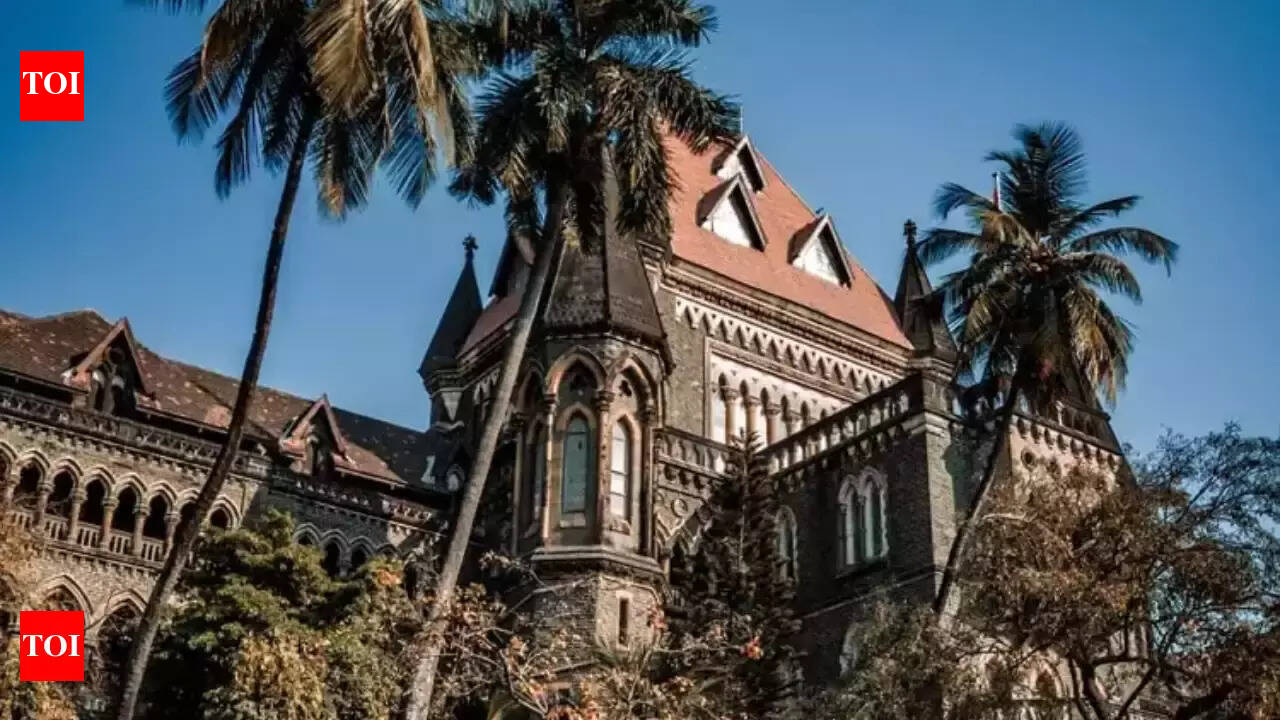
The Supreme Court collegium has recommended four judges for Chief Justice positions across major Indian High Courts to address widespread vacancies. While these appointments aim to stabilize judicial leadership, several High Courts, including Rajasthan, Madhya Pradesh, and J&K, continue to operate under acting heads.
Addressing the Judicial Leadership Vacuum
The Supreme Court collegium, under the leadership of Chief Justice of India Surya Kant, recently took a decisive step to address the mounting leadership crisis within India's judicial system. With seven of the country's 25 High Courts currently functioning without regular Chief Justices, the August 6 meeting marked a critical effort to restore institutional stability. By recommending four judges for elevation, the collegium aims to fill key vacancies in the Bombay, Calcutta, Patna, and Punjab and Haryana High Courts.
The Appointments and Strategic Shifts
The recommendations include Justice Mahesh Chandra Tripathi (Allahabad High Court) for the Bombay High Court, Justice Ravindra V. Ghuge (Bombay High Court) for the Calcutta High Court, Justice V. Kameswar Rao (Delhi High Court) for the Patna High Court, and Justice Ashwani Kumar Mishra (Punjab and Haryana High Court) to lead his own parent court. These moves are not merely administrative; they represent a strategic reshuffling of judicial experience across diverse jurisdictions to ensure that courts of high national importance are not left in a state of leadership flux.
Lingering Vacancies and Regional Concerns
Despite these appointments, the broader issue of judicial vacancies remains pressing. The collegium has yet to finalize candidates for the High Courts of Rajasthan, Madhya Pradesh, and Jammu & Kashmir, all of which remain under the stewardship of acting Chief Justices. Furthermore, the Orissa High Court is grappling with a significant shortage of judges, which directly impedes its operational efficiency and the administration of justice. The ongoing concern regarding the lack of representation from the Orissa High Court in the Supreme Court—a trend persisting for eight years—adds a layer of regional frustration to the national judicial discourse.
The Role of Acting Chief Justices
While acting Chief Justices play a vital role in maintaining the continuity of court proceedings, their temporary status often limits their ability to implement long-term administrative reforms or handle the complex backlog of cases that require a permanent, empowered head. The reliance on acting heads, as seen in the pending cases of Rajasthan, J&K, and Madhya Pradesh, creates a sense of instability that the collegium is now attempting to mitigate through these targeted elevations.
Implications for the Future of the Judiciary
The efficiency of the Indian judiciary is inextricably linked to the timely appointment of its leadership. As these recommendations await clearance from the Central government, the legal community remains watchful of the timeline for notification. Moving forward, the effectiveness of the collegium in addressing the remaining vacancies will be a key indicator of the system's ability to overcome procedural bottlenecks and ensure that high-volume courts are fully equipped to manage the increasing litigation demands of the nation.