Exorbitant pricing of drugs is ‘extortion': Supreme Court
Source Entity
AMIT ANAND CHOUDHARY
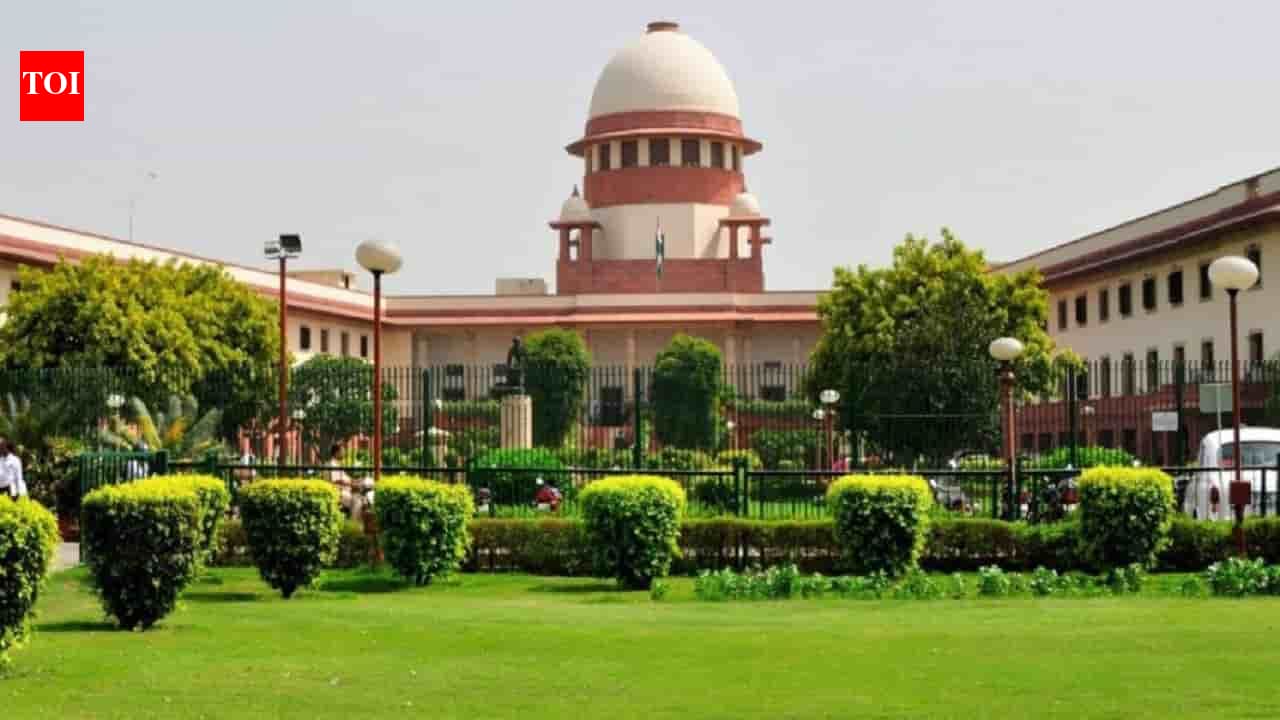
The Supreme Court of India has sharply criticized the exorbitant pricing of essential drugs, labeling the practice as 'dacoity' and 'extortion.' The bench expressed deep concern over the lack of government oversight regarding the significant price disparities affecting patients.
Supreme Court Blasts Pharmaceutical Pricing Practices
In a recent, scathing observation, the Supreme Court of India has brought the issue of pharmaceutical pricing to the forefront of public discourse. A bench comprising Justices Vikram Nath and Sandeep Mehta characterized the current state of drug pricing—where retailers and companies inflate costs beyond reasonable limits—as nothing short of "dacoity" in broad daylight. This judicial intervention highlights a critical failure in the regulatory mechanism intended to protect the vulnerable Indian populace from predatory financial practices during medical emergencies.
The Anatomy of 'Extortionate' Pricing
The core of the Court's frustration lies in the massive, unexplained disparity between the production costs of pharmaceuticals and the final prices charged to the end-user. By labeling these actions as "extortion," the judiciary is signaling that the current market environment is no longer a standard commercial operation but a coercive system. When patients are forced to pay exorbitant rates for life-saving medication, the transaction loses its ethical foundation, effectively trapping families in a cycle of debt and desperation.
Questioning Regulatory Oversight
A significant portion of the Court’s inquiry was directed at the government’s perceived silence and inactivity regarding this pressing issue. The judiciary questioned why there is a lack of stringent oversight in price fixation, a process that is vital for ensuring public welfare. This implies that existing regulatory frameworks are either insufficient or poorly enforced, allowing pharmaceutical entities and retail sellers to exploit the inelastic demand for healthcare products without fear of meaningful consequences.
Socio-Economic Implications
The broader implications of this judicial critique are profound. In a country where out-of-pocket expenditure on healthcare is a leading cause of poverty, the ability of pharma companies to dictate arbitrary prices acts as a barrier to the fundamental right to health. The Supreme Court’s intervention serves as a necessary check on corporate greed, emphasizing that the right to profit cannot supersede the right to affordable medical treatment for the common citizen.
Future Trends and Judicial Directives
Moving forward, this case is likely to compel the government to revisit and potentially overhaul the National Pharmaceutical Pricing Authority (NPPA) regulations. By bringing this issue into the light of the apex court, the bench has effectively forced the executive branch to justify its regulatory inaction. We can expect increased scrutiny on drug pricing transparency and a push for more aggressive capping of margins, as the judiciary has made it clear that it will no longer tolerate the "fleecing" of patients by the pharmaceutical supply chain.
Conclusion
The Supreme Court’s blunt assessment serves as a wake-up call for both the pharmaceutical industry and the government. It underscores that the judiciary views the current pricing landscape as a direct violation of the public interest. As the case progresses, the nation will look toward legislative and administrative reforms that prioritize affordable access to medicine over the unchecked profit motives of private retail sellers.