‘Nutrient of concern’ to appear in hexagons on food packets, says Supreme Court
Source Entity
Express Web Desk
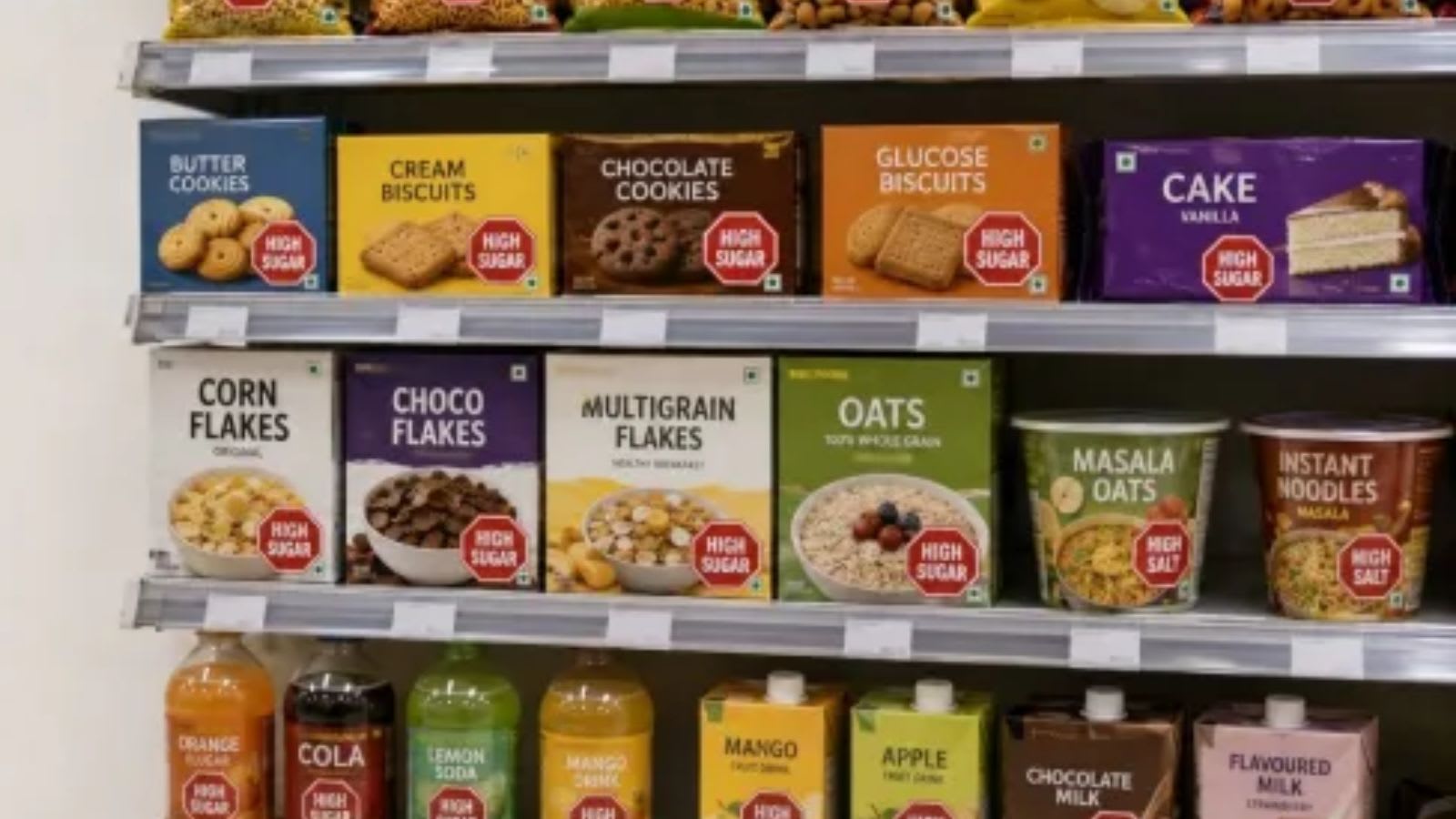
The Supreme Court of India has mandated that the FSSAI implement standardized, red hexagon warning labels on packaged foods high in fat, sugar, or salt. This directive aims to protect consumers by ensuring transparency in nutritional content, mirroring successful regulatory frameworks in countries like Chile and Mexico.
Strengthening Consumer Protection: The Supreme Court's Directive on Food Labelling
In a landmark ruling delivered on November 26, 2026, the Supreme Court of India has taken a decisive step toward enhancing public health transparency. By directing the Food Safety and Standards Authority of India (FSSAI) to implement mandatory front-of-package nutrition labelling (FoPNL), the court is prioritizing the consumer's right to clear, accessible health information. The mandate requires that packaged food items display distinct red hexagons for each 'nutrient of concern'—specifically total sugars, saturated fat, and salt—to alert shoppers to potential health risks.
Standardizing the 'Nutrient of Concern'
The court’s directive clarifies that labels must move beyond ambiguous terminology. Instead of focusing on 'added' sugars or fats, the regulations must now target 'total sugars' and 'saturated fat,' providing a more accurate reflection of the nutritional profile of processed foods. Furthermore, the FSSAI is required to ensure that each hexagon occupies at least 4-5% of the front of the packaging, accompanied by standardized pictorial representations and explicit warnings like 'HIGH FAT', 'HIGH SUGAR', or 'HIGH SALT'. This standardization is essential for preventing visual clutter and ensuring that health warnings remain prominent and easily interpretable for the average consumer.
Global Benchmarks and Corporate Accountability
One of the most compelling aspects of the Supreme Court's order is its focus on international parity. The bench explicitly noted that Indian consumers deserve the same level of protection as those in the UK and the US. The court also addressed the discrepancy in corporate behavior, noting that multinational companies have often adopted voluntary labelling schemes in foreign markets while resisting similar transparency measures within India. By enforcing these rules, the court is effectively leveling the playing field and holding manufacturers to a higher standard of corporate social responsibility.
Lessons from Global Precedents
This decision draws heavily from the success of similar policies in nations like Chile, Mexico, and Israel. Evidence from these regions suggests that prominent front-of-pack warning labels are highly effective at influencing consumer behavior; shoppers tend to purchase fewer products with high-risk labels, and manufacturers, in turn, are incentivized to reformulate their products to reduce salt and sugar content to avoid the 'red' warning. India’s adoption of this model is a calculated shift toward proactive, rather than reactive, health policy.
Implementation and Future Outlook
The Supreme Court has granted the FSSAI a four-month window to finalize these regulations and revisit proposed nutrient limits. This implementation phase is critical, as it will require the regulator to bridge the gap between policy intent and industrial practice. As India moves toward this new era of mandatory labelling, the impact on public health could be profound, potentially curbing the rising incidence of lifestyle-related diseases linked to the consumption of ultra-processed foods. The success of this initiative will ultimately depend on the FSSAI's ability to maintain these rigorous standards against industry pressure and ensure strict, single-phase enforcement across the retail landscape.