Top Court Orders HDFC, ICICI Banks To Grant Prosecution Sanction In Fraud Cases
Source Entity
NDTV News Search Records Found 1000
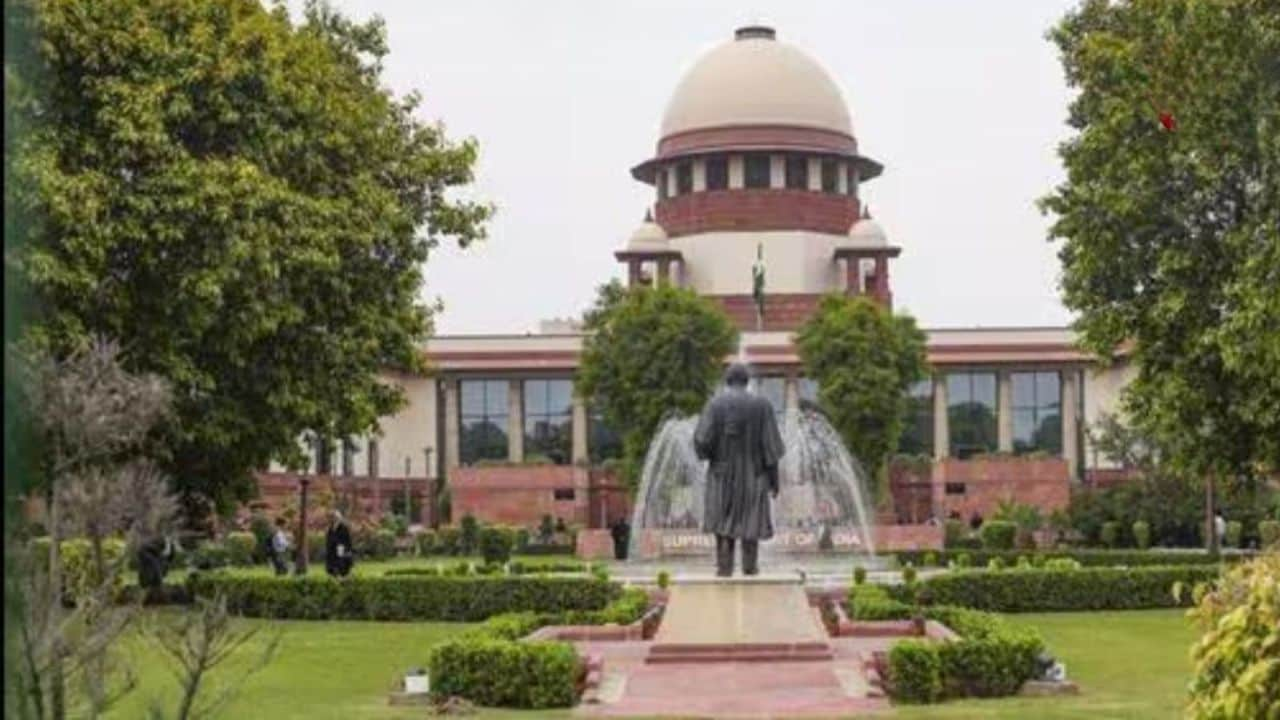
The Supreme Court has mandated that major banks provide unconditional prosecution sanctions for officials involved in homebuyer fraud. Banks have one week to comply or their CMDs must appear in court to explain the delay.
Supreme Court Mandates Accountability in Housing Fraud Cases
In a significant judicial intervention, the Supreme Court of India has directed major financial institutions—specifically HDFC Bank, ICICI Bank, Sammaan Capital, and PNB Home Finance—to grant unconditional sanctions for the prosecution of their officials. These individuals are currently implicated in systemic collusion with builders regarding housing fraud schemes. The bench, led by CJI Surya Kant and including Justices Joymalay Bagchi and V Mohana, has made it clear that bureaucratic delays in granting these sanctions are unacceptable when judicial integrity and the rights of homebuyers are at stake.
The Failure of Conditional Sanctions
Additional Solicitor General Aishwarya Bhati reported to the court that in 22 identified cases, the aforementioned financial institutions had only provided 'conditional' sanctions. The Supreme Court has effectively rejected this approach, viewing it as a procedural hurdle that stifles the efficacy of the Central Bureau of Investigation (CBI). By demanding unconditional approval, the court is emphasizing that banking authorities have a fundamental duty to facilitate the legal process rather than shield internal staff from scrutiny when criminal chargesheets have already been filed.
Implications for Banking Governance
This directive serves as a stern warning to the leadership of these financial entities. The court has explicitly stated that if these sanctions are not provided within a one-week timeframe, the Chairmen and Managing Directors (CMDs) of these banks will be required to present themselves before the court to explain their non-compliance. This move signals a shift toward holding institutional leadership personally accountable for the actions of their subordinates, particularly in cases involving large-scale financial malfeasance that affects vulnerable citizens.
Protecting the Homebuyer
At the heart of this legal battle are homebuyers who have been victims of fraudulent schemes, often involving a nexus between developers and bank officials. When bank officials facilitate loans for projects under questionable circumstances or overlook clear signs of construction fraud, the financial burden falls squarely on the buyer. By accelerating the prosecution process, the Supreme Court aims to restore confidence in the real estate sector and ensure that those who enable financial exploitation are held legally accountable.
Future Trends in Financial Oversight
This case sets a precedent for how financial institutions handle internal investigations and cooperation with law enforcement agencies. Moving forward, banks may find it increasingly difficult to resist the demands of investigative bodies like the CBI. As the judiciary continues to prioritize the swift resolution of fraud cases, we can expect a more transparent reporting culture within the banking sector. The urgency underscored by the Supreme Court suggests that the days of 'conditional' cooperation in criminal matters are coming to an end, paving the way for more rigorous compliance standards.
Verification Required?