Supreme Court agrees to hear Punjab government’s plea challenging HC’s order for CBI probe into corruption allegations
Source Entity
The Indian Express
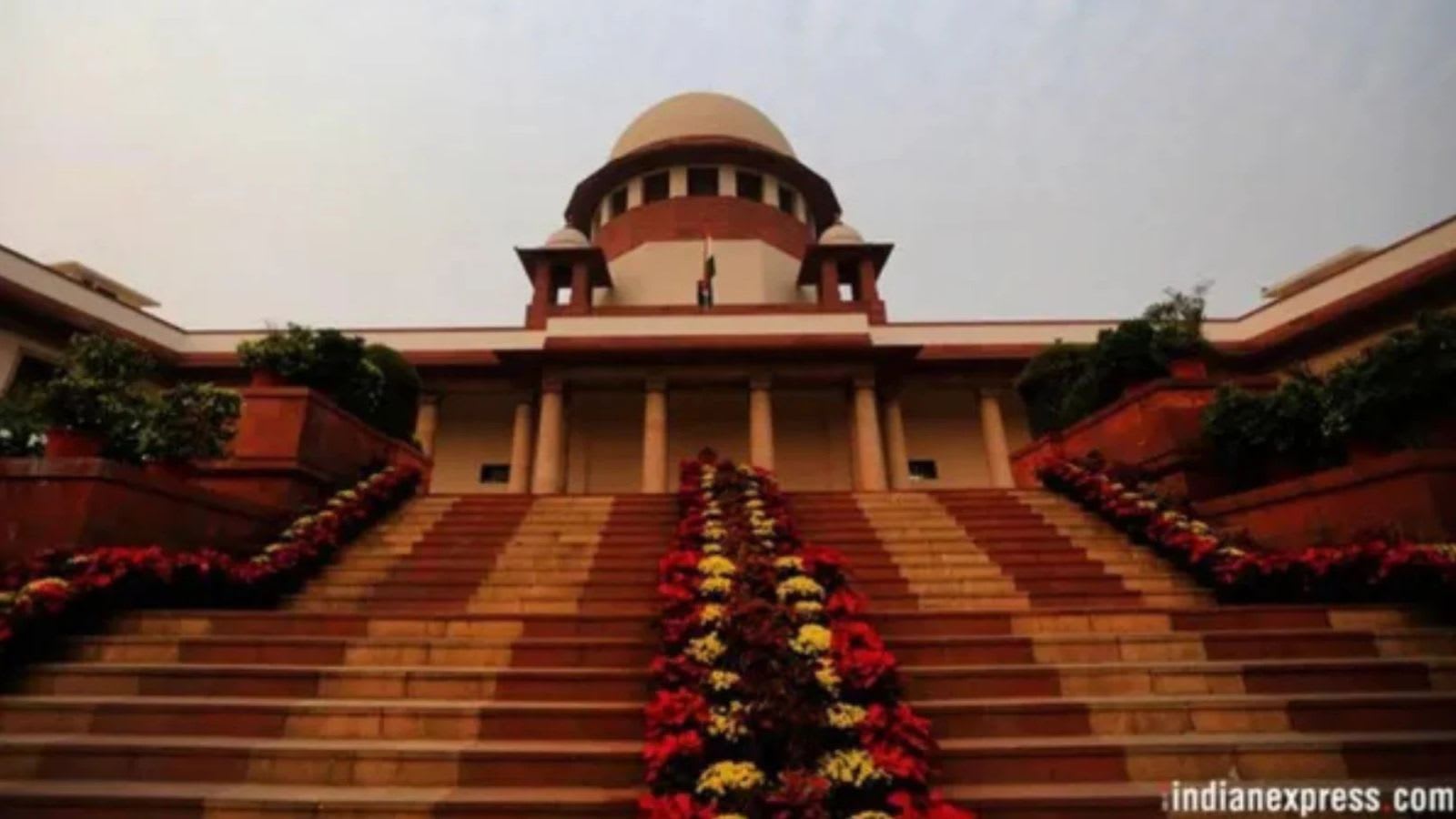
The Supreme Court has agreed to hear an urgent plea from the Punjab government challenging a High Court order for a CBI probe into the CM's office. This comes amid ongoing ED investigations into bribery and corruption allegations involving state officials and the Chief Minister's relatives.
Legal and Political Crisis in Punjab: An Overview
The political landscape in Punjab has been thrust into a state of heightened volatility following a directive from the State High Court, which mandated that the Central Bureau of Investigation (CBI) register a case and initiate a probe into the office of Chief Minister Bhagwant Mann. This judicial intervention is rooted in allegations of systemic corruption, including manipulation of policies, irregularities in public tenders, and a controversial 'cash-for-transfer' scheme. The Punjab government, viewing this as a significant overreach, has moved the Supreme Court, seeking an urgent hearing to challenge the legitimacy of the probe.
The Federalism Debate
Representing the Punjab government, senior advocates Vikas Singh and Shadan Farasat have argued before Chief Justice of India Surya Kant that the High Court’s directive strikes at the core of federalism. The contention is that the investigation into administrative matters—such as routine government transfers and postings—has been inappropriately criminalized. By involving central agencies in the internal administrative affairs of a state, the government argues that the judicial order sets a dangerous precedent that could undermine the autonomy of state administrations.
Allegations and ED Involvement
The situation is compounded by the Enforcement Directorate's (ED) parallel investigation, which has cast a wide net over the Aam Aadmi Party (AAP) government. The ED has specifically identified businessman Nitin Gohal in connection with the alleged 'cash-for-transfer' scheme. Furthermore, the agency has intensified its scrutiny by summoning Amardeep Singh Grewal, a Punjabi film producer and relative of CM Bhagwant Mann, regarding a ₹5-crore bribery allegation linked to the Chief Minister's wife, Dr. Gurpreet Kaur. While Grewal has sought adjournments, the pressure from federal agencies continues to mount.
The Timing and Political Stakes
Crucially, the timing of these legal developments is highly sensitive as the state is approaching upcoming elections. The Punjab government’s legal team has explicitly highlighted this, suggesting that the timing of a Central agency investigation into the CM's office could be perceived as politically motivated. In the context of Indian electoral politics, the deployment of investigative agencies during an election cycle often leads to intense friction between the state and the central government, with accusations of vendetta politics frequently taking center stage.
Broader Implications for Governance
These events represent a significant strain on the relationship between the Punjab state administration and federal investigative bodies. The scope of the investigation—reaching from the CM’s official staff to his extended family—indicates a deep-seated administrative and legal crisis. As the Supreme Court prepares to hear the plea, the outcome will likely serve as a landmark decision on the limitations of judicial intervention in state administrative processes and the extent to which central agencies can probe state-level governance issues.
Future Outlook
As the legal battle shifts to the Supreme Court, the focus will remain on whether the apex court grants a stay on the CBI inquiry. If the court upholds the High Court’s order, it could signal a period of prolonged instability for the AAP government in Punjab, potentially impacting both governance and electoral outcomes. Conversely, a stay would provide a temporary reprieve for the administration, though the ongoing ED investigations into financial irregularities suggest that the legal challenges facing the government are far from resolved.
Multiple Citing Sources