Punjab govt moves SC against CBI probe into ‘bribe syndicate’ linked to Mann OSD
Source Entity
DHANANJAY MAHAPATRA
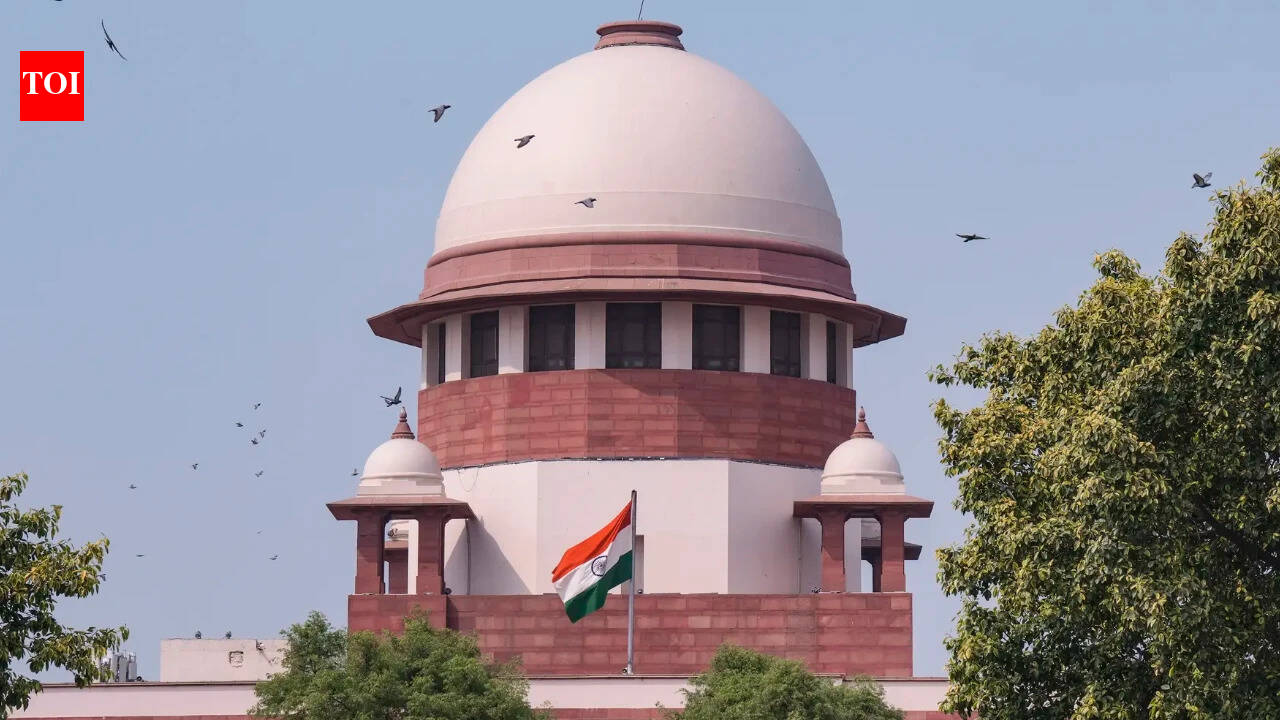
The Supreme Court has agreed to hear an urgent plea from the Punjab government challenging a High Court order for a CBI probe into corruption allegations against CM Bhagwant Mann's office. The investigation targets alleged 'cash-for-transfer' schemes and policy manipulation involving the CM's OSD and other officials.
Legal and Political Crisis in Punjab: The Supreme Court Intervention
The political landscape in Punjab has reached a critical juncture as the Supreme Court of India agrees to urgently hear a plea filed by the state government. This legal challenge seeks to contest a recent directive from the Punjab and Haryana High Court, which mandated the Central Bureau of Investigation (CBI) to register a case and conduct a formal probe into serious corruption allegations linked directly to the office of Chief Minister Bhagwant Mann.
The Scope of Allegations
At the heart of the controversy are systemic accusations regarding the integrity of administrative governance. The CBI has formally registered a case against six individuals, including a high-ranking Officer on Special Duty (OSD) in the Chief Minister’s office, alongside other public servants, middlemen, and private associates. The allegations are sweeping, involving the manipulation of IAS and IPS officer postings, interference in departmental proceedings, and the illicit influencing of policy formulation, tender conditions, and land use conversion. Furthermore, the Enforcement Directorate (ED) has implicated businessman Nitin Gohal, alleging he played a central role in a 'cash-for-transfer' scheme.
Federalism and State Autonomy
Representing the Punjab government, senior advocates Vikas Singh and Shadan Farasat argued before Chief Justice of India Surya Kant that the High Court’s order constitutes a profound violation of the principles of federalism. The state contends that these matters pertain to routine administrative functions and that the induction of a central investigative agency into state-level affairs sets a dangerous precedent. The core argument rests on the assertion that state-level administrative decisions, such as transfers and departmental approvals, should remain within the purview of the state government rather than being criminalized by central agencies.
Electoral Context and Timing
The timing of this investigation has added a volatile layer to the proceedings. With Punjab approaching a state election, the government argues that the timing of a Central agency's intervention is highly suspect. The state leadership maintains that the probe is being utilized as a political tool to influence the electoral narrative, potentially undermining the democratic process. The Supreme Court's decision to grant an urgent hearing underscores the gravity of the potential impact on the upcoming polls.
Broader Implications for Governance
This case highlights the ongoing friction between central investigative bodies and state administrations in India. The outcome of this Supreme Court intervention will likely establish a significant legal benchmark regarding the extent to which central agencies can intervene in state-level administrative and policy matters. As the investigation progresses, the judiciary's role in balancing anti-corruption mandates with the autonomy of state governments will be closely scrutinized by legal experts and political observers alike.
Conclusion
As the Supreme Court prepares to deliberate on the matter, the administration in Punjab remains under intense scrutiny. The legal battle signifies a deeper struggle over the boundaries of governance and accountability. Whether the CBI probe continues or is stayed will have lasting implications not only for the current administration's stability but also for the future of federal-state relations in India.
Multiple Citing Sources