‘Inhuman’: Supreme Court rejects Kerala teacher’s anticipatory bail in student suicide case
Source Entity
The Indian Express
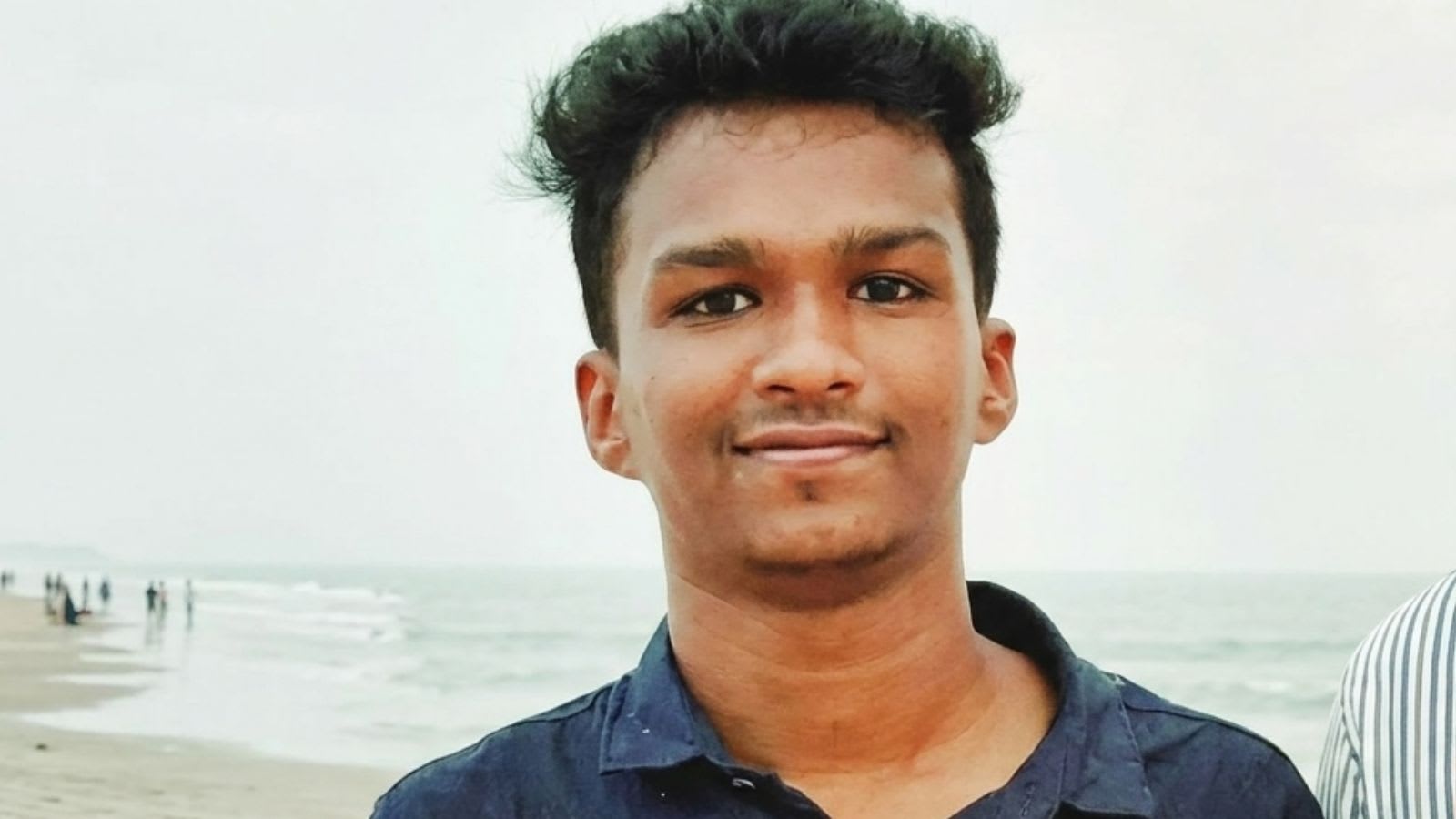
The Supreme Court on Monday rejected the anticipatory bail plea of a Kerala college teacher facing charges of abetment of suicide of a dental student, saying he has to “realise the consequences of his...
Judicial Accountability in Academic Institutions: The Kerala Teacher Case
In a significant ruling that underscores the judiciary's stance on mental harassment and academic abuse, the Supreme Court of India has rejected the anticipatory bail plea of a college teacher from Kerala. The teacher is facing severe charges of abetment of suicide following the tragic death of a dental student. By describing the actions involved as "inhuman," the Court has sent a clear signal that the position of authority held by educators does not grant them immunity from the legal consequences of psychological cruelty or harassment.
The Legal Weight of 'Inhuman' Conduct
The rejection of anticipatory bail is a critical legal turning point in this case. Anticipatory bail is typically granted when the court believes an arrest might be politically motivated or unnecessary for the investigation. However, by denying this plea, the Supreme Court has indicated that the gravity of the accusations—specifically the "inhuman" nature of the teacher's conduct—warrants custodial interrogation. This suggests that the evidence presented suggests a direct link between the teacher's behavior and the student's decision to end their life, bringing the case under the stringent purview of Section 306 of the Indian Penal Code (abetment of suicide).
The Crisis of Mental Health in Professional Education
This incident highlights a broader, systemic issue within professional education in India, particularly in high-pressure fields like dentistry and medicine. The power imbalance between professors and students often creates an environment where academic rigor can devolve into harassment. When educators use their authority to demean or oppress students, the psychological toll can be catastrophic. This case serves as a grim reminder that the pursuit of academic excellence cannot come at the cost of a student's fundamental right to dignity and mental well-being.
Historical Context of Academic Harassment
Historically, cases of student suicides in India have often been dismissed as the result of "academic stress" or personal fragility. However, there has been a gradual shift in the judicial narrative. The courts are increasingly recognizing "institutional bullying" and the role of mentors in creating toxic environments. By intervening in this Kerala case, the Supreme Court is continuing a trend of holding institutional figures accountable, moving away from the tradition of protecting the "sanctity" of the teacher-student hierarchy when that hierarchy is used as a tool for oppression.
Future Implications for Educational Governance
Looking forward, this ruling is likely to prompt a re-evaluation of faculty-student interaction guidelines across Indian colleges. Institutions may be forced to implement more robust grievance redressal mechanisms and mental health support systems to prevent such tragedies. Furthermore, this decision warns other educators that the judiciary will not hesitate to strip away legal protections (like anticipatory bail) if the conduct toward students is deemed inhumane. It establishes a precedent where the emotional and psychological safety of the student is given equal weight to the legal defenses of the accused.
Conclusion
The Supreme Court's refusal to grant bail to the Kerala teacher is more than a procedural legal decision; it is a moral condemnation of the abuse of power in education. By emphasizing that the accused must "realise the consequences" of his actions, the Court has reaffirmed that no one is above the law, regardless of their academic standing. This case stands as a pivotal moment in the fight against academic harassment, demanding a shift toward a more empathetic and humane approach to professional pedagogy in India.