SC reserves order on Sambhal Jama Masjid survey; 1991 Act cited in plea
Source Entity
Latest News: Todays Latest News Headlines from India & World | Hindustan Times | Hindustan Times
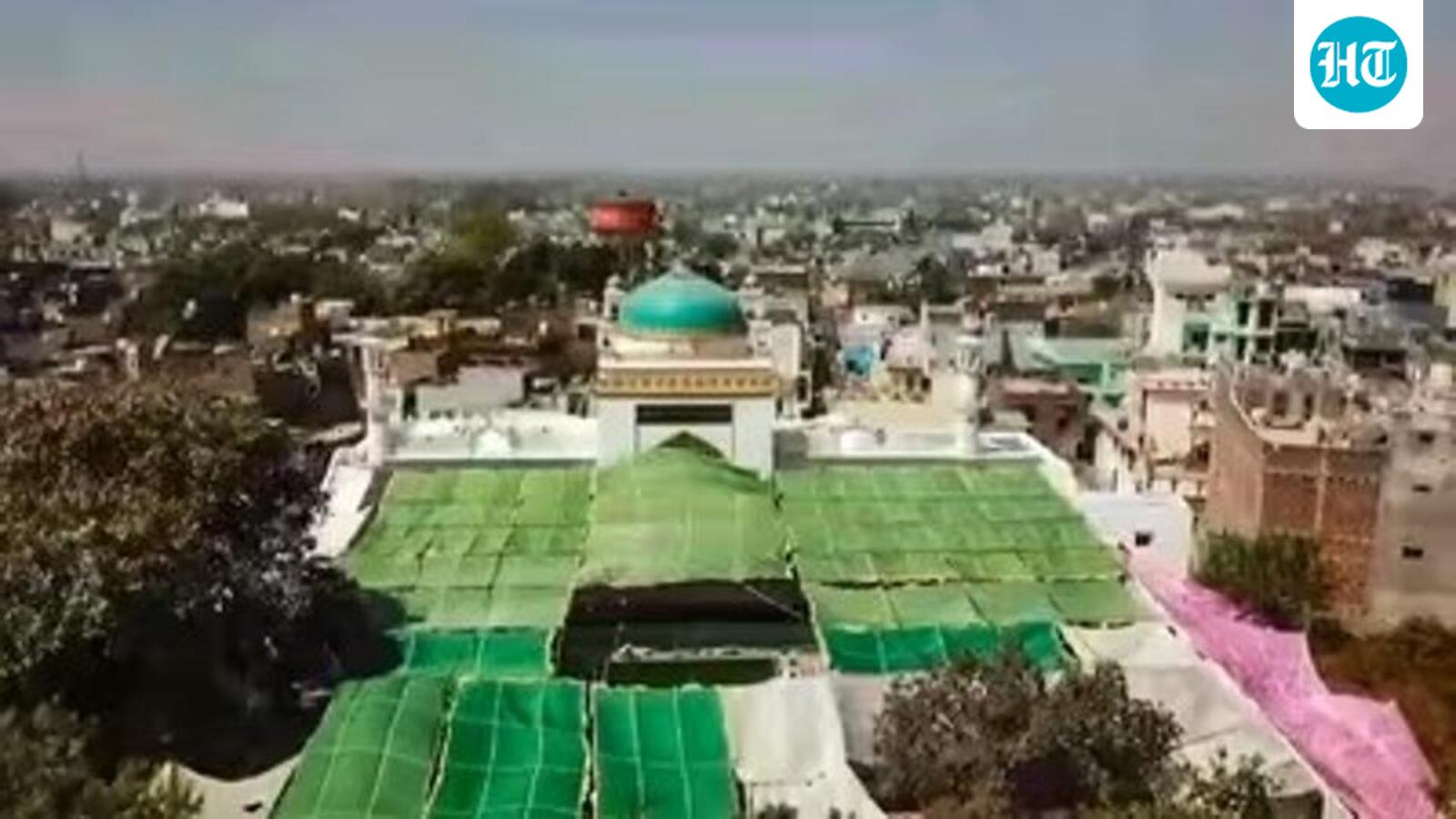
The Supreme Court has reserved its decision regarding a controversial survey of the Sambhal Jama Masjid. The case centers on a clash between historical claims and the legal protections afforded by the 1991 Places of Worship Act.
Legal Standoff at Sambhal Jama Masjid
The Supreme Court of India has officially reserved its order regarding a petition filed by the Sambhal Jama Masjid committee. This legal battle stems from a 2024 lawsuit initiated by Hindu plaintiffs who assert that the mosque site is historically a temple. The local trial court’s initial order for a survey of the premises ignited a contentious legal process that eventually escalated to the Allahabad High Court, which upheld the survey mandate in May 2025.
The 1991 Act and Religious Site Disputes
At the heart of this litigation lies the Places of Worship (Special Provisions) Act, 1991. This legislation was enacted to maintain the religious character of any place of worship as it existed on August 15, 1947. The Masjid committee’s appeal to the Supreme Court relies heavily on this Act, arguing that the survey seeks to alter or investigate the status of a site that has been a mosque for centuries, thereby challenging the statutory protections intended to prevent such communal friction.
Judicial Deliberations and Government Stance
The bench, comprising Justices PS Narasimha and Alok Aradhe, concluded arguments after hearing from the petitioners, the respondents, and the Uttar Pradesh state government. Notably, the state government maintained a neutral stance throughout the proceedings. By reserving the order, the Supreme Court has signaled that it will carefully weigh the implications of allowing a survey in a suit that is still technically pending at the trial court level.
Implications of the Ongoing Litigation
This case highlights the growing trend of legal challenges regarding the provenance of religious structures across India. The court’s eventual decision will be pivotal, as it must determine whether the trial court’s survey order remains valid or if it contravenes the spirit of the 1991 Act. The judiciary is tasked with balancing the right to seek legal remedy for property disputes against the legislative intent of preserving post-independence religious status quos.
Future Trends and Judicial Precedent
The outcome of this petition is expected to set a significant precedent for how lower courts handle similar suits. If the Supreme Court permits the survey, it could encourage further litigation regarding other contested sites. Conversely, a stay or reversal would reinforce the primacy of the 1991 Act, potentially curbing the volume of similar petitions. As the nation watches, the court’s focus remains on the specific legal validity of the survey order rather than the broader historical claims at this current juncture.
Conclusion
As it stands, the fate of the Sambhal Jama Masjid survey remains in the hands of the Supreme Court. The interplay between historical narratives and modern constitutional law remains a delicate area of Indian jurisprudence. The final verdict will not only determine the immediate future of the mosque but will also serve as a crucial touchstone for how the Indian legal system manages the intersection of faith, history, and statutory law.
Verification Required?