Court video takedown: Approach intermediaries first, Supreme Court tells lawyer
Source Entity
Ananthakrishnan G
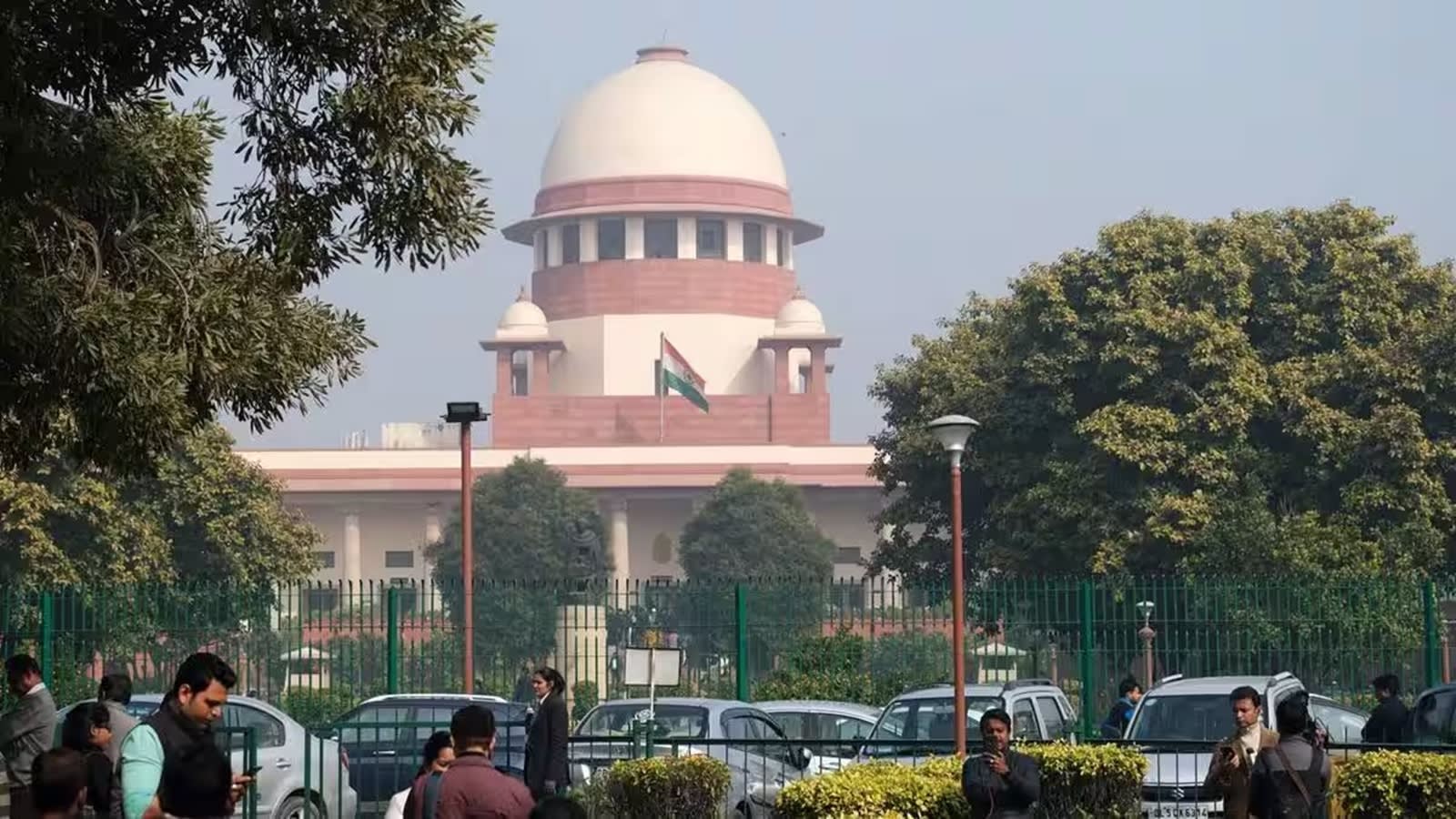
The Supreme Court has mandated that petitioners first seek content removal from intermediaries before approaching the court regarding unauthorized video clips. The bench warned that misrepresenting judicial or legal remarks in these clips constitutes criminal conduct.
Supreme Court Tightens Oversight on Unauthorized Court Clips
The Procedural Shift
In a significant procedural clarification, the Supreme Court of India, led by a three-judge bench presided over by Chief Justice of India Surya Kant, has established a new protocol for addressing the unauthorized dissemination of judicial proceedings. The court has directed petitioners—specifically those complaining of violations regarding the July 24 order—to first approach online intermediaries to request the removal of content before seeking direct judicial intervention. This decision emphasizes the court's expectation that legal professionals utilize existing digital compliance mechanisms before escalating matters to the judiciary.
Clarifying the July 24 Mandate
The core of this issue stems from the July 24 order, which explicitly prohibits the extraction, dissemination, monetization, and unauthorized hosting of audio-video recordings of judicial proceedings. By barring these actions on social media and digital platforms without the express permission of the Secretary General, the court sought to preserve the sanctity of the courtroom environment. The recent directive serves as an enforcement mechanism for this order, ensuring that the burden of initial content moderation is placed upon the platforms that host the material.
Criminalizing Misrepresentation
Beyond the issue of unauthorized distribution, the Supreme Court has drawn a critical line regarding the veracity of the content being shared. The bench explicitly stated that while unauthorized streaming is a contemptuous act, the act of falsely imputing statements or misrepresenting the oral submissions of lawyers and judges constitutes criminal conduct. This distinction highlights the court's concern regarding the potential for misinformation to undermine public confidence in the judicial process through the selective editing or fabrication of court remarks.
The Role of Intermediaries
By directing parties to approach intermediaries first, the court is aligning its enforcement strategy with established digital governance frameworks. Intermediaries, such as social media giants and video platforms, possess the technical capacity to remove or geo-block content that violates specific legal orders. This approach not only streamlines the legal process by preventing the court from being inundated with individual takedown requests but also reinforces the legal responsibility of digital platforms to comply with Indian judicial directives.
Broader Implications and Future Outlook
The court's stance suggests a future where digital integrity becomes a pillar of judicial transparency. As the judiciary continues to embrace live-streaming and digital access, the tension between public visibility and the risk of manipulation will likely persist. This move serves as a warning to content creators and digital portals that the protection of judicial decorum is paramount. Moving forward, stakeholders in the legal and digital sectors must anticipate stricter adherence to these guidelines, as the Supreme Court has signaled that it will not tolerate the distortion of its proceedings.