Delhi Building Collapse Raises Questions On Safety, Student Organisations Protest
Source Entity
NDTV News Search Records Found 1000
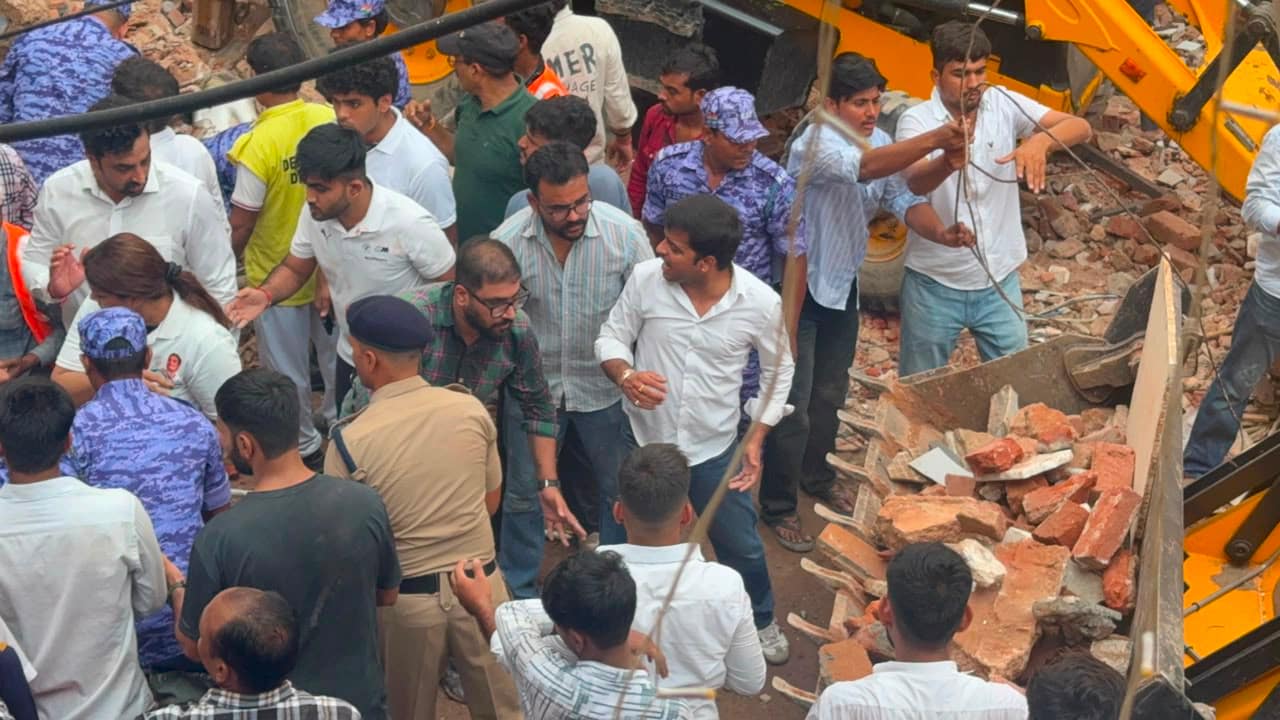
Following a tragic building collapse in Delhi that killed seven, the Supreme Court is intervening to establish pan-India safety guidelines for unauthorized constructions. Authorities are now mandating stricter licensing and audits for private hostels to prevent future disasters.
The Satya Niketan Tragedy: A Catalyst for National Reform
The tragic collapse of a residential building in South Delhi’s Satya Niketan, which claimed seven lives, has served as a grim wake-up call regarding the systemic failures in urban planning and housing safety. The incident, involving a structure that lacked even a sanctioned building plan, highlights the rampant nature of unauthorized construction in densely populated student hubs. This event has moved beyond a local tragedy, prompting immediate judicial intervention to address the broader regulatory vacuum that allows unsafe structures to operate unchecked.
Supreme Court Intervention and Pan-India Guidelines
In a decisive move, the Supreme Court has indicated its intention to take control of matters concerning unauthorized and unsafe constructions currently pending before the Delhi High Court. By signaling a move to establish pan-India guidelines, the apex court is signaling that the issue of building integrity is not merely a regional concern but a national crisis. The upcoming hearing will focus on the Satya Niketan collapse specifically, while simultaneously addressing an application for a time-bound, mandatory safety audit of student housing across the capital.
The Role of Informal Networks and Brokerage
Investigations into the collapse have shed light on the shadowy ecosystem of the 'Paying Guest' (PG) rental market. Reports indicate that brokers often facilitate the leasing of floors within these buildings, operating with little regard for structural stability or legal compliance. Because many of these properties are residential units illegally converted into multi-occupancy hostels, they bypass the rigorous fire and safety inspections required for commercial lodging, putting vulnerable students at extreme risk.
Policy Shifts: Licensing and Regulation
In response to the disaster, Delhi authorities are fast-tracking a new PG policy. The proposed framework aims to formalize the sector through mandatory licensing and stringent rent regulations. By requiring formal building plans and safety certifications, the government hopes to dismantle the current culture where developers build without permits and brokers lease these properties to unsuspecting tenants without verification.
Broader Implications for Urban Safety
This shift in policy represents a significant move toward urban accountability. Historically, the lack of coordination between municipal corporations and regulatory bodies has allowed illegal constructions to thrive. If the Supreme Court successfully implements national guidelines, it will force local municipal bodies to adopt a more proactive stance on inspections. This could lead to a permanent change in how urban housing is monitored, shifting the burden of safety onto property owners and local authorities.
Conclusion: A Path Toward Safer Cities
The path forward requires a transition from reactive measures—triggered only after loss of life—to a proactive, tech-driven inspection regime. With the Supreme Court’s involvement, there is hope for a standardized, rigorous approach to structural auditing across India. Ensuring that no building can be occupied without a sanctioned plan and a valid safety certificate is the essential next step in preventing future tragedies of this magnitude.
Multiple Citing Sources
Verification Required?