Sonia Gandhi writes: History will indeed remember Dr Manmohan Singh kindly
Source Entity
Sonia Gandhi
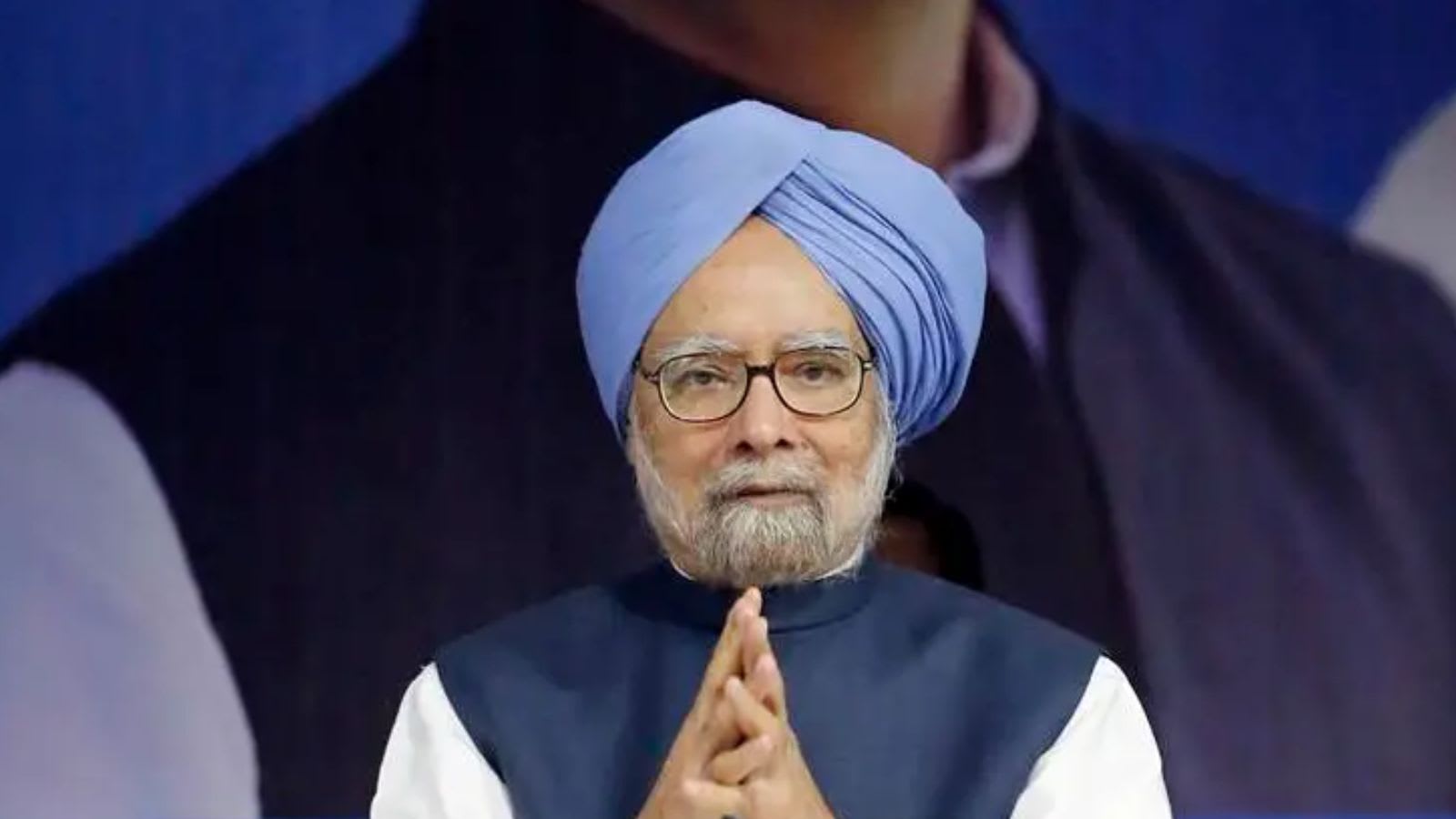
The Supreme Court has upheld the CBI's clean chit for former PM Dr. Manmohan Singh regarding the coal block allocation case. This ruling concludes a long-standing legal struggle and marks a significant moment in Indian political discourse.
The Legal Vindication of Dr. Manmohan Singh
On July 29, 2026, the Supreme Court of India delivered a landmark judgment that effectively concluded a long-standing legal cloud surrounding former Prime Minister Dr. Manmohan Singh. By upholding the Central Bureau of Investigation’s (CBI) closure report in the coal block allocation case, the apex court has brought a definitive end to years of litigation that shadowed the former leader's legacy. This decision is not merely a procedural victory but a profound judicial statement on the integrity of the investigative processes involved.
Correcting Judicial Overreach
Central to this judgment was the Supreme Court’s critical assessment of the trial court's previous handling of the matter. The apex court explicitly pulled up the lower judiciary for rejecting the CBI’s closure reports, noting that these rejections were made without any 'compelling reason.' By challenging the trial court’s adverse observations against Dr. Singh, the Supreme Court has underscored the necessity for evidence-based legal proceedings rather than speculative accusations, reinforcing the principle that public figures must be protected from baseless litigation.
The Context of Political Discourse
For years, the 'coal block allocation' issue served as a primary narrative tool for political opponents to question the probity of the UPA administration. The legal pursuit of Dr. Singh was framed by critics as a 'tragic arc' of public discourse, representing a concerted effort to undermine a leader widely regarded for his intellectual honesty. Sonia Gandhi’s recent remarks underscore the view that this was a coordinated effort involving various stakeholders, including political rivals and elements within the media and civil society, aimed at tarnishing a reputation built over decades of service.
The Broader Implications for Governance
This ruling carries significant weight for how future governments and bureaucrats approach high-stakes policy decisions. The 'witch-hunt' narrative described in the wake of the judgment highlights the risks associated with the criminalization of policy decisions. When investigative agencies and the judiciary operate under the influence of hyper-partisan political narratives, the resulting 'policy paralysis' can hinder national development. This verdict serves as a necessary correction, reminding the public and state institutions that administrative decisions should not be conflated with criminal malfeasance.
A Legacy Reaffirmed
As history begins to look back at the tenure of Dr. Manmohan Singh, this judgment provides a vital anchor. It separates the noise of political campaigning from the reality of legal accountability. By clearing the path of these allegations, the judiciary has allowed for a more objective assessment of his contributions to India's economic liberalization and global standing. Ultimately, the July 2026 ruling is a milestone that restores a sense of balance to the historical record, ensuring that the integrity of a former head of state remains untarnished by the political battles of his time.