Who is Jayme Franklin, the woman seen behind Trump at Oval Office vaccine executive order signing?
Source Entity
Latest News: Todays Latest News Headlines from India & World | Hindustan Times | Hindustan Times
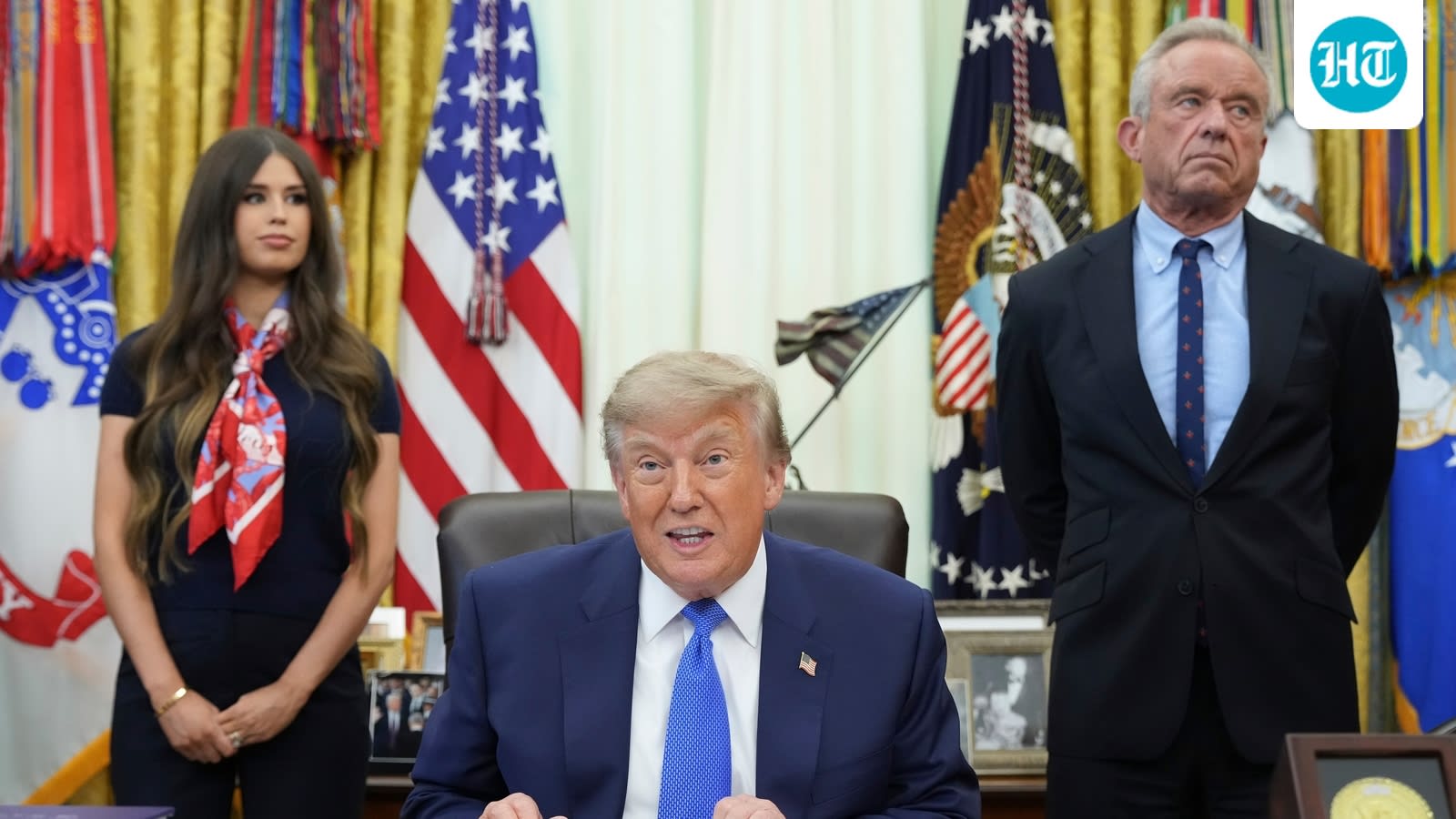
President Donald Trump has signed an executive order to modify childhood vaccine protocols, including splitting the MMR shot. The event featured HHS Secretary Robert F. Kennedy Jr. and advocate Jayme Franklin, signaling a shift in federal public health policy.
Executive Order Shifts Federal Vaccine Strategy
President Donald Trump has officially signed an executive order aimed at restructuring federal recommendations for childhood vaccinations. This directive mandates that the combined measles, mumps, and rubella (MMR) vaccine be separated into individual shots and encourages the administration of childhood vaccines during separate appointments. The signing took place in the Oval Office, featuring key figures in the administration’s new health agenda, including Health and Human Services (HHS) Secretary Robert F. Kennedy Jr. and advocate Jayme Franklin.
The Role of Administration and Public Advocacy
The presence of Jayme Franklin at the signing ceremony highlights the administration's integration of external advocacy voices into the policymaking process. Franklin, who documented her attendance at the White House via social media platform X, represents the growing influence of non-governmental stakeholders in the current administration’s approach to public health. By including such individuals in high-level executive functions, the White House is signaling a shift toward a more participatory, albeit controversial, model of health policy development.
Redefining 'Gold Standard' Science
President Trump characterized this executive order as a "major victory" for parental, religious, and constitutional rights. He further framed the decision as an alignment with "gold standard science." This rhetoric indicates a significant departure from traditional public health consensus, which has long advocated for the efficacy and safety of combined vaccine delivery systems. The administration is positioning this policy as a restoration of individual choice within the medical landscape, suggesting that the current federal guidelines may have overstepped in their standardization of childhood immunization schedules.
Implications for HHS and Public Health Infrastructure
Under the leadership of Robert F. Kennedy Jr., the Department of Health and Human Services is now tasked with implementing these structural changes. The directive to split vaccines and space out appointments represents a massive logistical shift for pediatric healthcare providers across the country. This policy change will likely necessitate a comprehensive review of existing state-level school immunization requirements and federal clinical guidelines, potentially creating friction between federal mandates and established medical practices.
Future Trends in Vaccination Policy
Looking forward, this executive order may serve as a precursor to broader reforms regarding vaccine oversight and federal health recommendations. By prioritizing the separation of shots and individual scheduling, the administration is centering the discourse on parental autonomy. Observers expect that this will lead to a protracted debate between the executive branch and established public health institutions, as the government seeks to redefine the relationship between federal vaccine recommendations and individual liberty.
Conclusion
The signing of this executive order marks a pivotal moment in the current political climate regarding public health. By formalizing changes to the MMR protocol and childhood immunization schedules, President Trump has set a new course for his administration’s health policy. The collaboration between the White House, HHS Secretary Robert F. Kennedy Jr., and advocates like Jayme Franklin underscores a concerted effort to dismantle existing vaccine administration norms in favor of a policy framework rooted in parental choice.
Verification Required?