Swell surge alert for Kerala, TN & Lakshadweep: Waves born of distant storms that strike without warning
Source Entity
Latest News: Todays Latest News Headlines from India & World | Hindustan Times | Hindustan Times
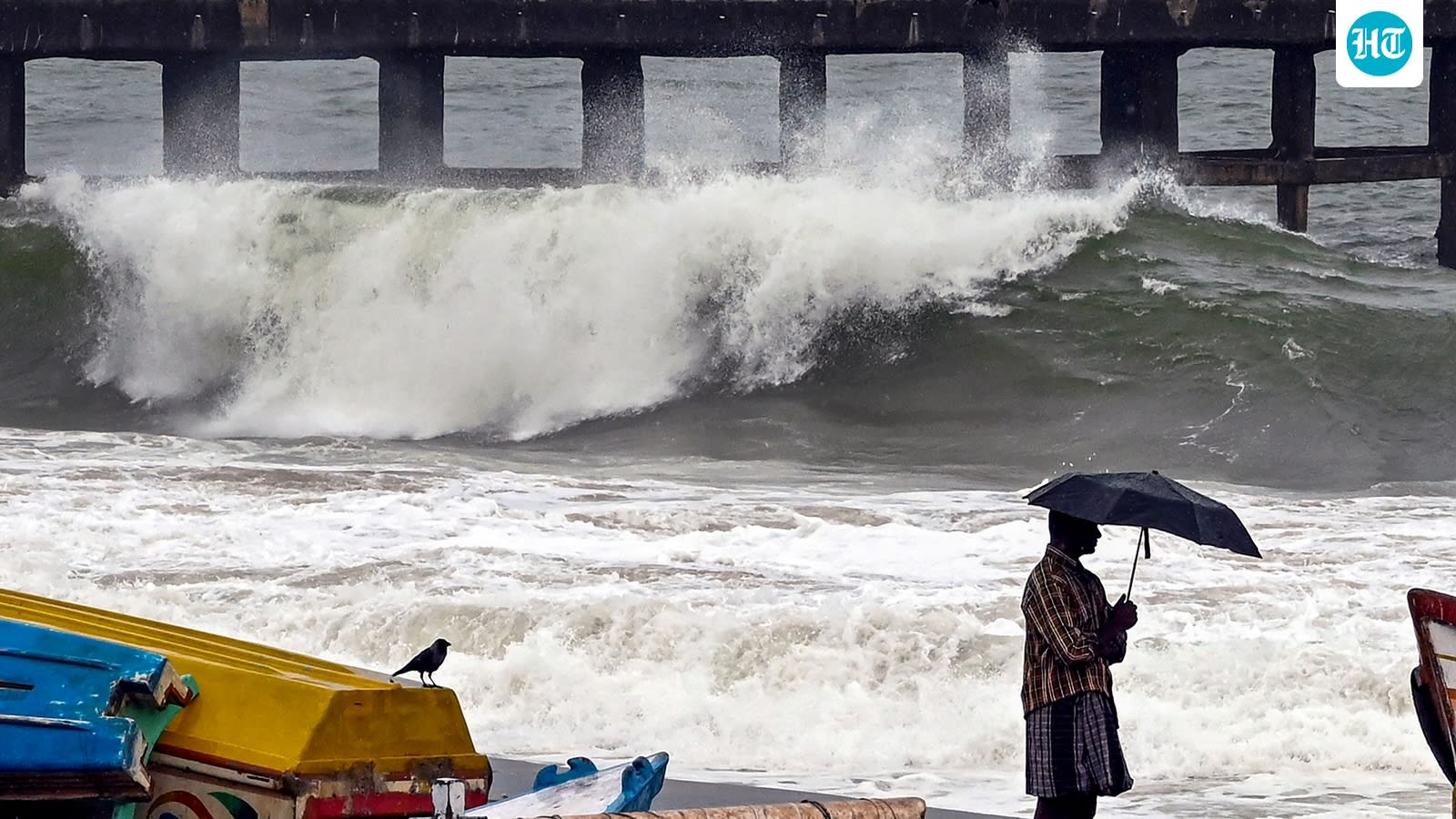
INCOIS has issued a swell surge alert for Kerala, Tamil Nadu, and Lakshadweep due to powerful, distant storm-generated waves. These waves travel thousands of kilometers with minimal energy loss, often arriving without local meteorological warning.
Understanding the Phenomenon: Swell Surges in Southern India
Recent alerts issued by the Indian National Centre for Ocean Information Services (INCOIS) have highlighted a significant maritime risk for the coastal regions of Kerala, Tamil Nadu, and the Lakshadweep islands. Unlike typical storm surges associated with immediate cyclonic activity, these swell surges are the product of distant, powerful storms occurring thousands of kilometers away. This phenomenon represents a unique challenge for coastal safety, as the waves often strike coastlines without the accompaniment of local wind or rain, catching residents and maritime operators off guard.
The Physics of Long-Distance Wave Propagation
The fundamental nature of a swell surge lies in its origin within the vast 'fetch' of the ocean. When a storm system blows steadily across a large expanse of open water, it imparts energy to the surface, creating wind waves. As these waves exit the storm zone, they undergo a critical process known as dispersion. During this transit, the waves are sorted by their wavelengths; longer, faster waves outpace shorter ones, which dissipate energy and fade. The result is a series of powerful, evenly spaced, and highly organized waves that retain immense kinetic energy despite their long-distance journey.
Why These Waves Defy Local Warning Systems
Because these waves are generated by systems far removed from the Indian coastline, they do not correlate with local atmospheric conditions. In a typical weather event, increasing wind speeds and dropping barometric pressure serve as warning signs. However, a swell surge can arrive on a calm, sunny day, making it particularly deceptive to beachgoers and fishermen. The waves move across the ocean with minimal loss of energy, maintaining their intensity until they encounter the shallow bathymetry of the coastline, where they can suddenly amplify and cause unexpected flooding or erosion.
The Role of Monitoring and Future Implications
To mitigate the risks posed by these 'stealth' events, INCOIS utilizes a specialized network of moored buoys and wave sensors. These instruments are vital for detecting the subtle changes in wave height and period that precede a surge, allowing authorities to issue alerts in advance. As climate patterns evolve, the frequency and intensity of oceanic storms globally may change, potentially altering the patterns of swell propagation. Robust investment in oceanographic monitoring infrastructure remains the primary defense against these unpredictable maritime threats.
Conclusion
The swell surge alert for Kerala, Tamil Nadu, and Lakshadweep serves as a stark reminder of the interconnectedness of our global oceans. While the storms themselves may be thousands of miles away, their impact on local coastal stability is immediate and profound. By understanding the physics of wave dispersion and maintaining vigilance through advanced buoy networks, coastal communities can better navigate the risks posed by these powerful, long-distance oceanic events.
Verification Required?