Tata Sons cites legal opinion from ex-CJI in Chandrasekaran reappointment row
Source Entity
Latest News: Todays Latest News Headlines from India & World | Hindustan Times | Hindustan Times
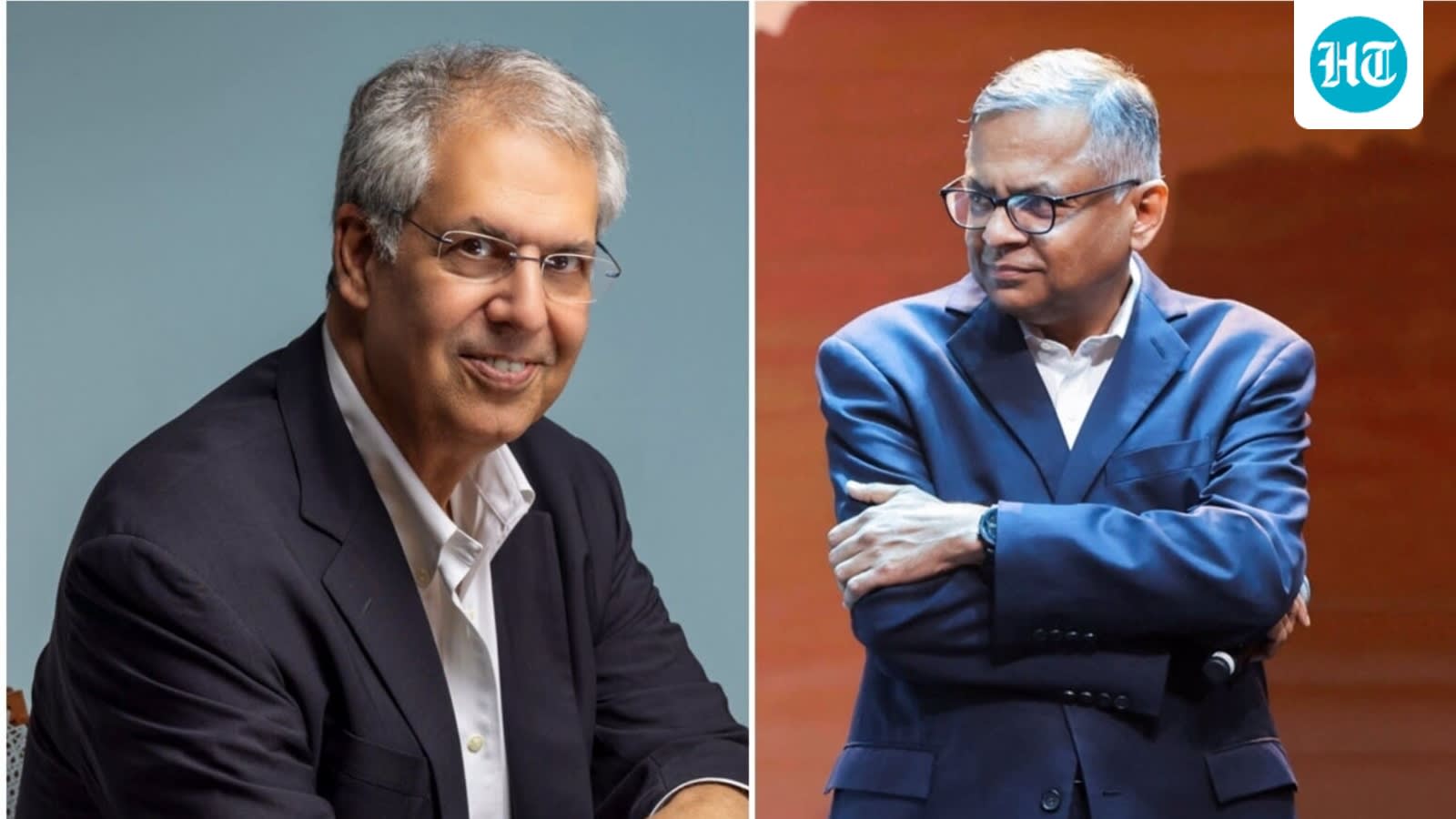
Tata Sons faces internal governance friction as the board remains divided over N Chandrasekaran's reappointment. The dispute hinges on the interpretation of Article 121, which requires specific consensus from Tata Trusts nominees.
Governance Discord at Tata Sons
The recent boardroom developments at Tata Sons have brought the company's complex internal governance framework into sharp relief. At the heart of the matter is the September 17 board meeting, where the reappointment of N Chandrasekaran as Tata Group Chairman became the focal point of a significant internal disagreement. While a majority of the board supported the move, the process highlighted underlying tensions regarding decision-making protocols.
The Role of Article 121
The controversy centers on Article 121 of the Tata Sons Articles of Association. This specific provision acts as a procedural safeguard, mandating that certain key board decisions—even when passed by a general majority—must also secure the support of a majority of directors nominated by the Tata Trusts. This clause is intended to ensure that the charitable trusts, which hold a controlling interest in the conglomerate, maintain direct oversight of critical executive appointments.
Divergent Perspectives on Leadership
The voting records from the September 17 meeting underscore a clear split within the Trusts' representation. Venu Srinivasan, serving as a Tata Trusts nominee, voted in favor of Chandrasekaran’s reappointment alongside three other directors. Conversely, Noel Tata, in his capacity as Tata Trusts Chairman, opposed the resolution. This divide illustrates the complexity of balancing professional management with the strategic mandates of the controlling shareholders.
Legal Interpretations and Precedents
To navigate this impasse, Tata Sons has reportedly sought legal opinions from a former Chief Justice of India. By invoking external legal counsel, the board aims to clarify whether Article 121’s requirements were met or if the procedural nuances of the vote require further ratification. This reliance on high-level legal interpretation reflects the gravity of the situation, as the outcome dictates the leadership trajectory of one of India's most influential business houses.
Broader Corporate Implications
The friction at the board level serves as a case study in corporate governance for conglomerates with dual-layered structures—where professional boards operate alongside controlling trusts. The interpretation of Article 121 is not merely a procedural hurdle; it is a fundamental test of how power is distributed and exercised within the Tata ecosystem. As the company moves forward, the resolution of this conflict will likely set a precedent for future board interactions and the interpretation of shareholder agreements.
Conclusion: The Path Forward
Ultimately, the standoff between the board's professional majority and the specific objections raised by Noel Tata highlights the necessity for clear, indisputable governance protocols. As Tata Sons seeks to solidify its leadership, the reconciliation of these opposing viewpoints will be crucial. Whether through further legal validation or internal mediation, the resolution of this row will define the operational balance between the board and the Trusts for the foreseeable future.
Verification Required?