Ex-CJI, more legal experts back Tata Sons on Chandra's reappointment
Source Entity
REEBA ZACHARIAH
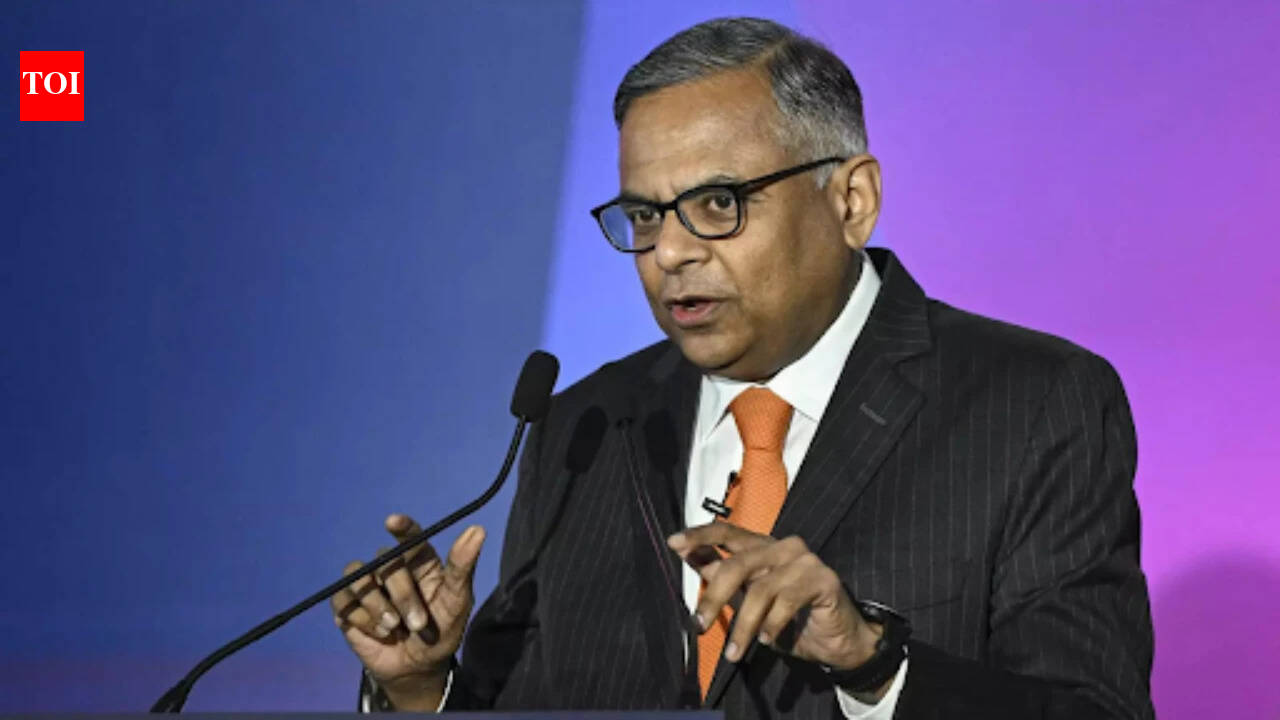
Former Supreme Court judges, including ex-CJI UU Lalit, have validated N Chandrasekaran's reappointment as Tata Sons chairman. The legal experts upheld the board's September 17 decision and the exercise of the chairman's casting vote despite opposition from Noel Tata.
Legal Validation of N Chandrasekaran’s Reappointment at Tata Sons
The leadership structure at the helm of Tata Sons, one of India’s most influential conglomerates, has recently come under intense scrutiny following the reappointment of N Chandrasekaran as chairman. The core of the controversy stems from the board meeting held on September 17, where a divided vote necessitated a procedural intervention that has since been challenged by Tata Trusts Chairman Noel Tata.
The Procedural Dispute
At the center of the disagreement is the validity of the September 17 board resolution and the specific application of the chairman's casting vote. Following the decision to reappoint Chandrasekaran, which was supported by four directors but opposed by Noel Tata, concerns were raised regarding whether the governance protocols were strictly adhered to. Noel Tata formally questioned whether the casting vote was an appropriate mechanism to resolve the deadlock, effectively challenging the legal foundation of the appointment.
Expert Legal Opinions
To address these governance concerns, Tata Sons sought external legal counsel from eminent jurists, including former Chief Justice of India Uday U Lalit and Justice B N Srikrishna. Both former Supreme Court judges provided clear opinions supporting the company’s stance. Specifically, former CJI UU Lalit affirmed that the resolution was "validly passed," providing a significant endorsement of the board's internal processes.
Implications for Corporate Governance
This dispute highlights the complexities of governance within a structure where the holding company, Tata Sons, must balance the interests of various stakeholders, including the influential Tata Trusts. The reliance on high-profile legal opinions suggests that the board is prioritizing transparency and adherence to company law to shield itself from potential litigation or reputational damage that could arise from internal dissent.
Broader Context and Future Trends
Historically, the Tata Group has maintained a reputation for conservative and robust corporate governance. The fact that the leadership had to turn to former Supreme Court justices underscores the high stakes involved in the chairmanship of the group. Moving forward, this event may serve as a precedent for how the Tata Sons board handles future deadlocks, likely leading to more stringent codification of board procedures to prevent similar challenges.
Conclusion
By securing the backing of former top judicial authorities, Tata Sons has effectively neutralized the procedural objections raised by Noel Tata. The endorsement from figures like Justice Lalit and Justice Srikrishna provides the necessary legal insulation to maintain continuity in leadership, ensuring that N Chandrasekaran remains firmly in his position as the group moves forward with its strategic objectives.