Tech outages are fueling a new doomsday economy
Source Entity
US Top News and Analysis
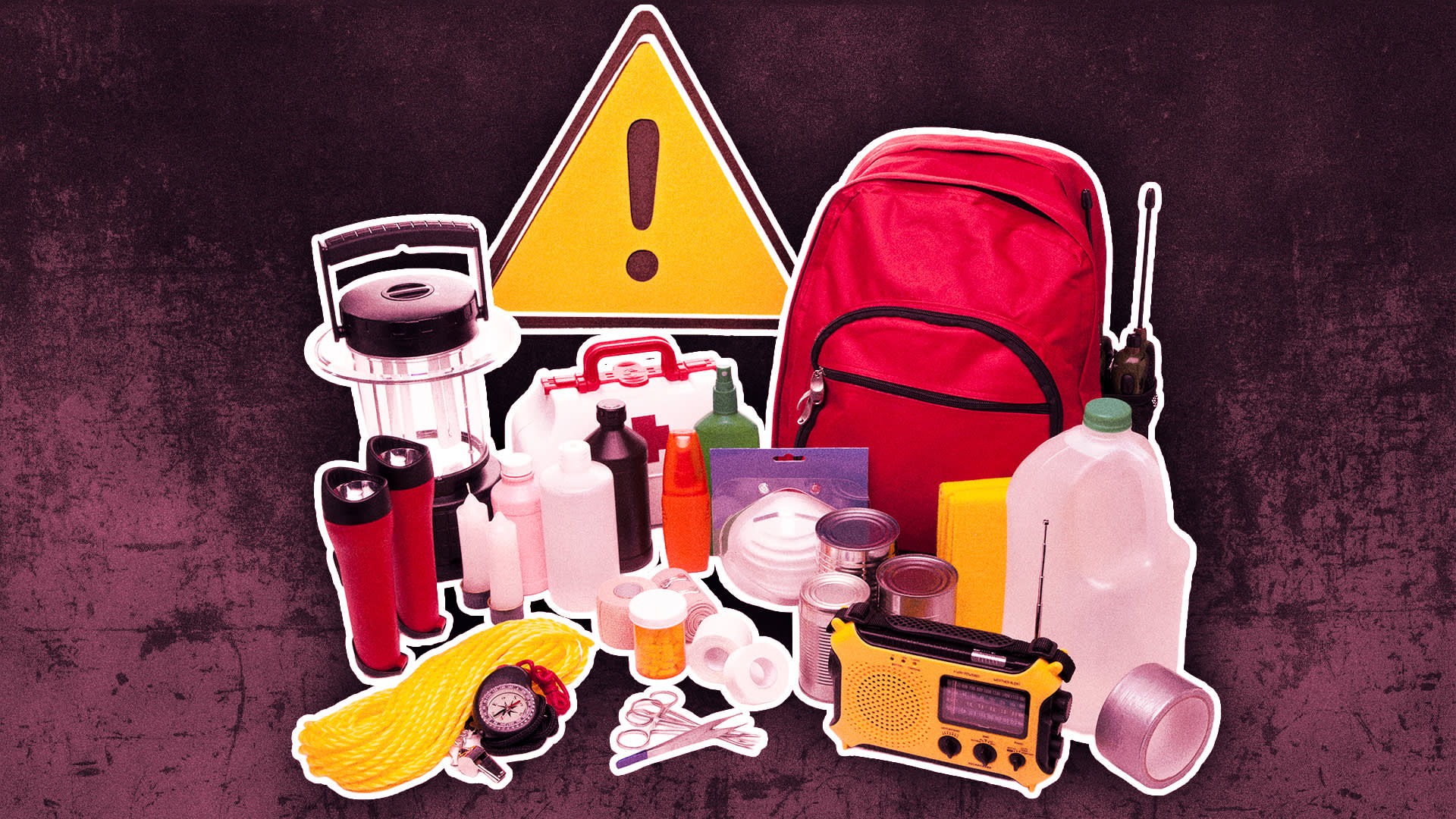
Recent high-profile tech outages have sparked widespread consumer anxiety regarding potential AI-driven cyberattacks and grid instability. This fear is driving a surge in the 'doomsday economy' as individuals begin stockpiling essential supplies for a potential large-scale blackout.
The Rise of the 'Doomsday Economy' Amid Tech Fragility
A series of high-profile technology outages—ranging from grounded commercial flights to crippled email services and delayed banking transactions—has triggered a wave of public anxiety. While these incidents have been largely attributed to technical failures, they have exposed a latent vulnerability in the modern American infrastructure. This uncertainty is fueling what experts are calling a 'doomsday economy,' where consumers are increasingly prioritizing long-term survivalism over conventional spending.
The Erosion of Trust in Digital Infrastructure
The frequency and scope of these recent malfunctions have fundamentally shaken consumer confidence in the interconnected nature of the digital age. When critical systems like banking and aviation falter simultaneously, it creates a perception of systemic fragility. Even as government officials work to dismiss rumors of nefarious actors or sophisticated AI-driven cyberattacks, the psychological impact remains. For many, the lack of a clear, singular explanation suggests that the system itself may be inherently unreliable.
Psychological Drivers and Consumer Behavior
This trend is best exemplified by the shift in shopping habits. Individuals are no longer just preparing for routine power outages; they are preparing for a sustained, large-scale societal collapse. Consumers like Sabrina Cepeda, who has begun stockpiling propane, lighter fluid, and non-electric heating equipment, represent a growing demographic that views current tech failures as harbingers of a larger catastrophe. This behavior is a defensive reaction to the perceived inability of centralized systems to maintain continuity.
The Intersection of AI and Energy Grid Anxiety
Much of the current fear is tied to the rapid integration of artificial intelligence and the perceived fragility of the U.S. energy grid. As AI systems become more deeply embedded in managing critical infrastructure, the theoretical risk of AI-driven cyberattacks has moved from the realm of science fiction to a mainstream concern. This anxiety is compounded by the aging state of the U.S. power grid, which many fear cannot withstand either a sophisticated digital attack or a massive technical failure.
Broader Economic and Market Implications
Beyond individual stockpiling, this shift could have broader implications for retail and supply chain dynamics. If the 'doomsday economy' continues to expand, we may see a sustained increase in demand for off-grid technologies, long-term food storage, and decentralized power solutions. Retailers may find themselves adapting to a market where 'preparedness' products become a permanent fixture of consumer demand, reflecting a permanent decrease in public faith in governmental and corporate technical oversight.
Conclusion: Assessing the Path Forward
Ultimately, the rise of this survivalist consumerism is a symptom of a society grappling with the consequences of its own digital dependence. As technology continues to evolve at a breakneck pace, the disconnect between the complexity of our infrastructure and the public's understanding of its maintenance will likely persist. Until stability is restored and transparent communication becomes the norm, the doomsday economy will remain a significant, if niche, indicator of public sentiment regarding the future of the American technological landscape.