Telangana CM urges Supreme Court to quash 2015 cash-for-vote FIR
Source Entity
India Latest News: Top National Headlines Today & Breaking News | The Hindu
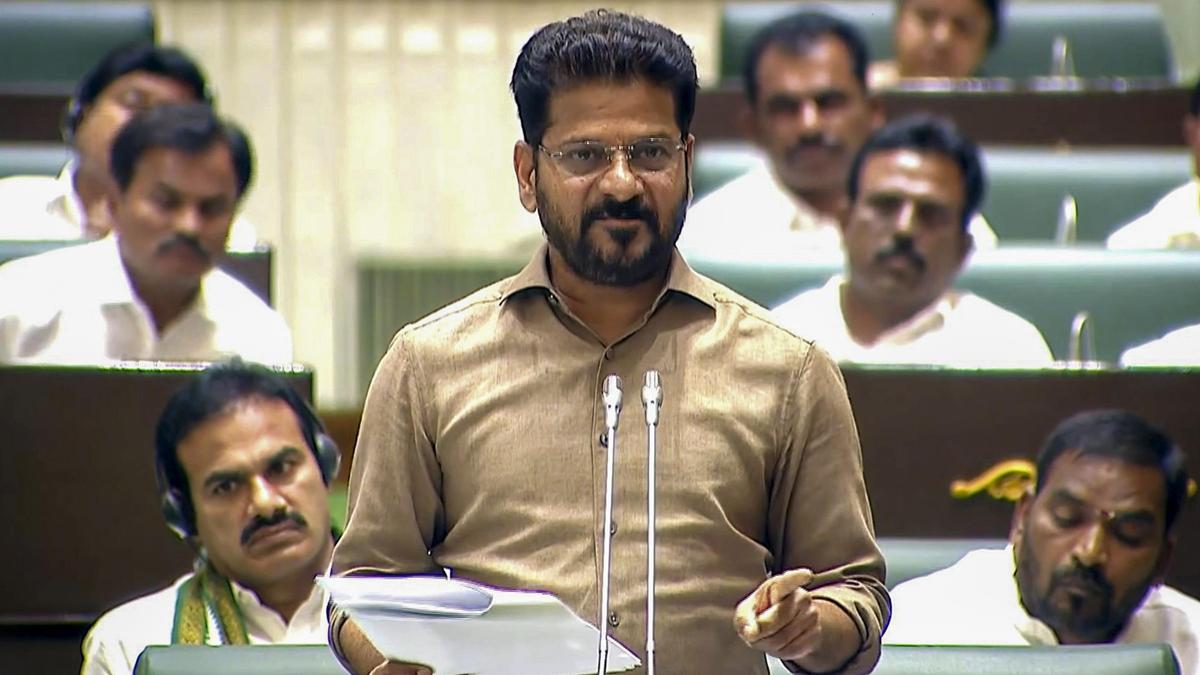
Telangana CM Revanth Reddy has petitioned the Supreme Court to quash a 2015 cash-for-vote FIR. His legal counsel argues that offering a bribe was not a criminal offense under the Prevention of Corruption Act prior to its 2018 amendment.
Legal Challenge to the 2015 Cash-for-Vote Case
Telangana Chief Minister A. Revanth Reddy has initiated a significant legal maneuver in the Supreme Court, seeking to quash a long-standing First Information Report (FIR) related to a 2015 cash-for-vote scandal. The case, which has lingered in the legal system for over a decade, centers on allegations of bribery aimed at influencing legislative processes. This latest development underscores the complexities of retrospective application of anti-corruption statutes in Indian jurisprudence.
The Core Legal Argument: Statutory Interpretation
The crux of the Chief Minister’s argument, presented by senior advocate Siddharth Luthra before a bench led by Chief Justice of India Surya Kant, rests on the specific legislative framework of the Prevention of Corruption (PC) Act as it existed in 2015. The defense contends that the law, prior to the major overhaul in 2018, contained a lacuna that did not explicitly criminalize the act of offering a bribe.
The Pre-2018 Legislative Landscape
According to the defense, Section 12 of the PC Act, which addresses the abetment of offenses, was historically interpreted to pertain primarily to the bribe-taker rather than the bribe-giver. The petitioner argues that the legislative intent to criminalize the act of 'offering' a bribe was only fully realized through the subsequent 2018 amendments. By expanding the definition of abetment to include 'all offenses,' the 2018 amendment effectively bridged a gap that previously allowed for a nuanced legal defense regarding the culpability of those offering inducements.
Broader Implications for Anti-Corruption Law
This case serves as a critical test for how the judiciary handles the evolution of anti-corruption laws. If the Supreme Court accepts the argument that the pre-2018 law was insufficient to prosecute bribe-givers, it could set a precedent for how similar pending cases from that era are adjudicated. It forces a dialogue on the principle of nullum crimen sine lege—the idea that one cannot be punished for an act that was not clearly defined as a crime at the time it was committed.
Historical Context and Future Trends
The 2015 cash-for-vote case has been a recurring shadow over Telangana politics, representing a high-stakes collision between political maneuvering and judicial oversight. The Supreme Court's eventual ruling will not only impact the Chief Minister’s tenure but will also serve as a landmark interpretation of the Prevention of Corruption Act. As the judiciary weighs these arguments, the decision will likely influence how future legislative amendments are interpreted regarding their applicability to past conduct.
Conclusion
As the Supreme Court continues to examine the nuances of the 2015 FIR, the legal community remains focused on the potential for a definitive ruling on the scope of the pre-amendment PC Act. Whether the court agrees with the defense's narrow interpretation of the 2015 law or upholds the broader intent of anti-corruption measures, this case will undoubtedly remain a focal point of constitutional and criminal law discourse in India.
Verification Required?