Elon Musk’s heterodox robotaxi philosophy gets put to the test
Source Entity
Andrew J. Hawkins
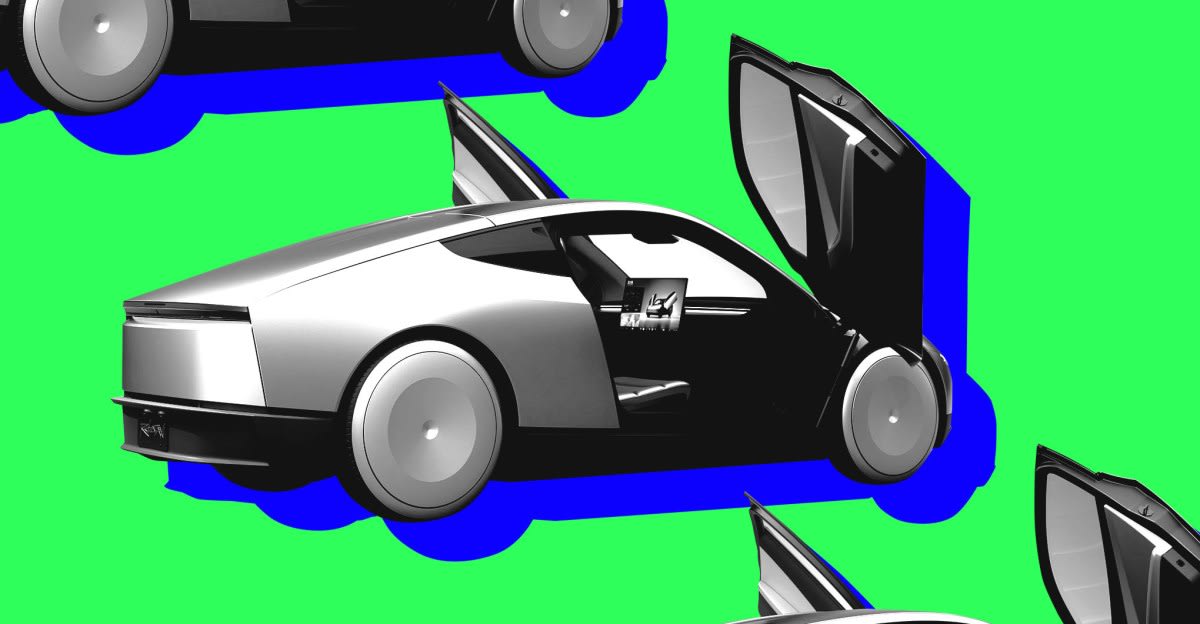
Tesla is launching its steering wheel-free Cybercab service in Austin, Texas, marking a pivotal moment for Elon Musk’s autonomy strategy. The rollout tests whether the minimalist vehicle can transition from concept to a viable, dominant robotaxi service.
The Dawn of the Cybercab Era
After years of anticipation and high-stakes promises, Tesla is officially transitioning its Cybercab project from a futuristic concept to a functional reality in Austin, Texas. The vehicle, characterized by its gold-tinted aesthetics and distinctive gull-wing doors, represents the culmination of Elon Musk’s long-standing vision for a dedicated autonomous platform. By removing traditional driver-centric interfaces, specifically the pedals and steering wheel, Tesla is signaling a radical departure from conventional automotive design in favor of a pure, autonomous-first architecture.
A Philosophy of Minimalist Autonomy
The Cybercab design philosophy centers on a stripped-down, barebones approach that prioritizes software-driven navigation over human-operated capability. This heterodox strategy has been the core of Musk’s autonomy efforts for nearly two years. By eliminating manual controls, Tesla aims to reduce manufacturing complexity and operational costs, theoretically positioning the Cybercab as a more efficient solution for ride-hailing services compared to retrofitted passenger vehicles.
The Austin Pilot and Real-World Testing
The launch of public rides in Austin serves as the ultimate litmus test for this technology. While proponents argue that this deployment marks the beginning of Tesla's dominance in the robotaxi sector, the transition from controlled environments to the complex, unpredictable streets of a major city is fraught with challenges. The performance of these vehicles in real-time traffic will provide critical data on the reliability of Tesla’s vision-based navigation systems without the safety net of human intervention.
Corporate Stakes and Financial Pressure
The success of the Cybercab is not merely a technical milestone; it is a fundamental component of Tesla’s corporate valuation and Musk’s compensation structure. With significant financial incentives tied to the advancement of Tesla’s autonomy capabilities, the company faces immense pressure to prove that the Cybercab is a scalable, safe, and reliable product rather than just a high-profile marketing event. The market is watching closely to see if Tesla can successfully navigate the regulatory and technical hurdles inherent in driverless transportation.
Future Implications for Urban Mobility
Should the Austin pilot prove successful, the implications for the broader transportation industry are profound. A proven, steering wheel-free robotaxi fleet could disrupt traditional ride-sharing models and public transit frameworks. However, the path to widespread adoption remains contingent on overcoming public skepticism and meeting stringent safety standards. The coming months will determine if the Cybercab can truly revolutionize the way urban populations interact with autonomous transit systems.
Multiple Citing Sources