Tesla's Cybercab 'Storm' Was More of a 'Drizzle,' WSJ's Tim Higgins Says
Source Entity
Yahoo Finance
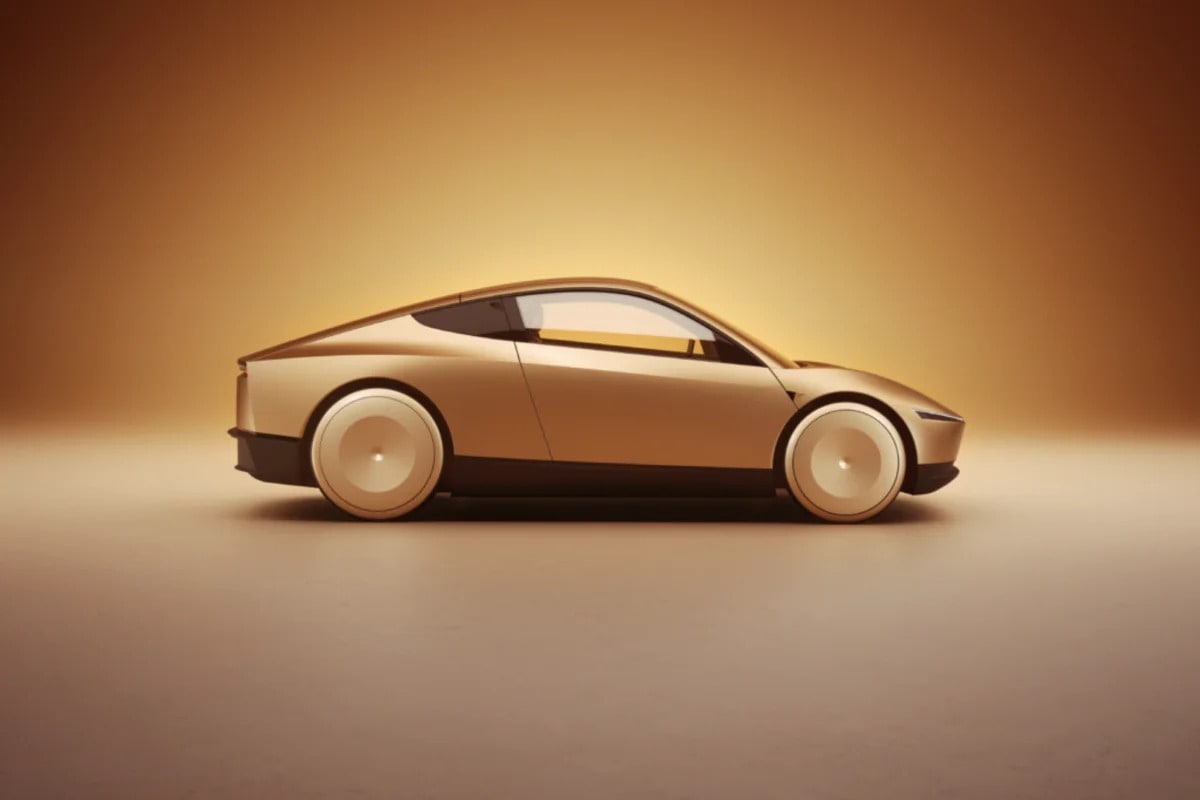
Tesla shares dipped after the company's Cybercab launch failed to meet high market expectations. Critics noted the event lacked the promised 'storm' of innovation, despite the technical milestone of driverless vehicles.
The Tesla Cybercab Reveal: A Market Reaction
The recent unveiling of Tesla's purpose-built Cybercab has ignited a polarized conversation regarding the company's trajectory in the autonomous vehicle sector. While Elon Musk had previously teased a "storm" of robotaxis, the reality of the event left many analysts and investors feeling underwhelmed. The immediate market response—a roughly 3% dip in premarket trading—reflects a cooling of investor enthusiasm following the reveal, suggesting that the event failed to provide the necessary catalyst to sustain the high valuation expectations priced into Tesla stock.
The Gap Between Hype and Reality
Wall Street Journal columnist Tim Higgins famously characterized the event as "more of a drizzle" than the anticipated storm. This sentiment was exacerbated by logistical issues, most notably the failure of a highly anticipated livestream on X, which left approximately two million viewers waiting in vain. By opting for a closed event in Austin rather than a broad, public-facing demonstration, Tesla missed an opportunity to maximize the cultural impact of the launch, leading to a disconnect between the company’s internal vision and the public’s perception.
Technological Milestones vs. Commercial Viability
Despite the criticism surrounding the event's presentation, Higgins acknowledged that the deployment of Cybercabs on Austin streets without human drivers is a "big deal" from a technical standpoint. Successfully operating a vehicle without anyone behind the wheel represents a significant hurdle in the autonomous driving industry. The transition from supervised Full Self-Driving (FSD) to a purpose-built, steering-wheel-less robotaxi architecture marks a pivot in Tesla's engineering strategy, signaling a long-term commitment to a driverless future.
Investor Sentiment and Market Pressure
Tesla’s stock performance is intricately tied to its ability to deliver on "grand" promises. When Musk teases revolutionary shifts, the market expects a clear roadmap and immediate commercial scalability. The "drizzle" effect noted by critics suggests that investors are becoming increasingly sensitive to the timeline of these innovations. Without a clear demonstration of how these vehicles will reach mass production or navigate complex regulatory environments, the uncertainty surrounding the Cybercab's rollout continues to exert downward pressure on share prices.
Future Trends in Autonomous Mobility
Looking ahead, the success of the Cybercab will depend on how effectively Tesla can move beyond the prototype phase and into fleet operations. The industry is currently witnessing a race between various tech giants and automotive manufacturers to achieve full autonomy, and Tesla’s entry into the purpose-built robotaxi market is a crucial move to remain competitive. However, the company must bridge the gap between high-level technological demonstrations and the rigorous, safe, and reliable service required to gain public trust and regulatory approval.
Conclusion
In summary, the Cybercab launch was a complex event that underscored both the technical prowess and the communication challenges facing Tesla today. While the company has taken a definitive step toward a driverless ecosystem, the market’s reaction highlights a growing demand for substance over spectacle. Moving forward, Tesla will need to focus on consistent delivery and transparent communication to restore investor confidence and prove that its autonomous ambitions are grounded in sustainable, scalable business practices.