Texas city demands $2M for public records on Flock usage
Source Entity
Ashley Belanger
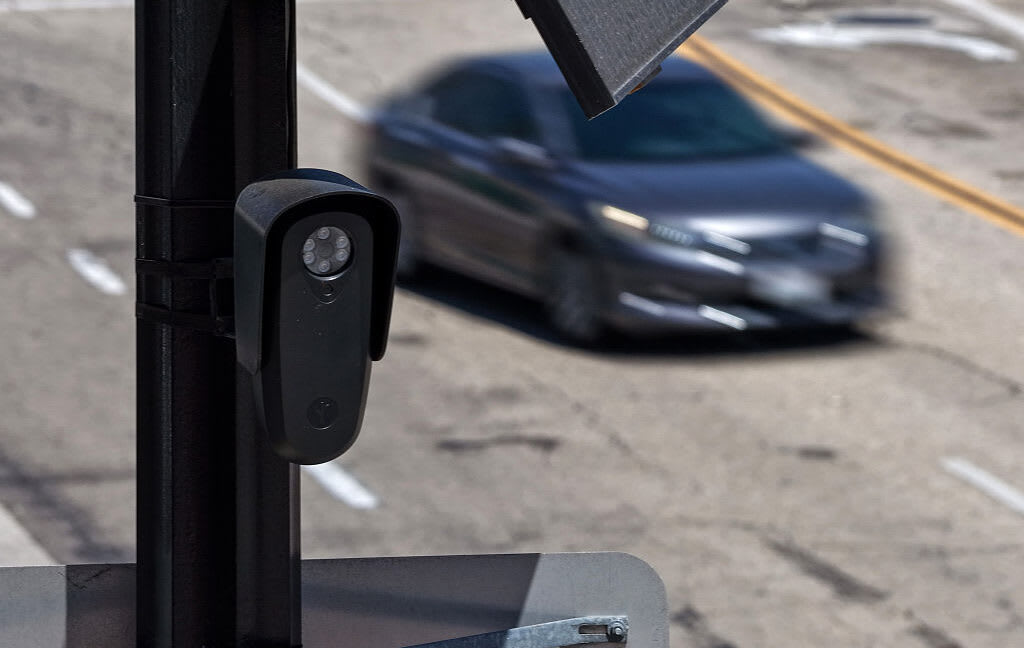
North Richland Hills, Texas, has demanded a $2.3 million fee to fulfill a public records request regarding police use of Flock AI camera systems. This move highlights a growing trend of local governments using prohibitive costs to obstruct transparency regarding widespread surveillance technology.
The High Cost of Transparency: Surveillance and Public Records
The recent demand by the city of North Richland Hills, Texas, for a $2.3 million fee to fulfill a public records request regarding Flock Safety camera systems marks a significant escalation in the ongoing tension between local governance and government transparency. As police departments across the United States increasingly adopt AI-enabled automated license plate recognition (ALPR) systems, the public’s ability to scrutinize these tools has become a critical focal point for privacy advocates. The staggering price tag, justified by the city as the labor cost for processing a terabyte of data, raises fundamental questions about whether financial barriers are being weaponized to stifle accountability.
The Mechanics of Obstruction
By claiming that searching through relevant communications would require 14 years of labor at $15 per hour, the city of North Richland Hills is utilizing a common, albeit extreme, administrative tactic to deter information gathering. This approach effectively renders the Texas Public Information Act—and similar open record laws elsewhere—null for average citizens or independent journalists. When the cost of transparency exceeds the budget of most non-profit organizations or media outlets, the public is left in the dark regarding the efficacy, error rates, and potential civil rights implications of the surveillance tools being deployed in their neighborhoods.
Flock Safety and the Surveillance State
Flock Safety’s systems are designed to track every vehicle passing through their field of view, creating a comprehensive digital dragnet that can be queried by law enforcement. While proponents argue that these systems are essential for solving crimes and ensuring public safety, the lack of transparency surrounding their deployment is the core of the current bipartisan backlash. Critics argue that without clear oversight, the potential for mission creep—where surveillance tools originally intended for solving violent crimes are used for tracking minor infractions or monitoring political dissent—remains dangerously high.
Historical Precedent and the 'Chilling Effect'
Historically, public records requests have served as the primary mechanism for the public to hold law enforcement accountable. By setting prohibitive fees, municipalities create a 'chilling effect' where the fear of astronomical costs discourages requests before they are even filed. This strategy is not unique to Texas; it represents a broader trend of local governments attempting to shield their technological infrastructure from scrutiny. When cities prioritize the protection of proprietary vendor agreements or internal processes over the public's right to know, they erode the democratic foundation of local policing.
Broader Implications for AI Governance
As AI-enabled surveillance continues to proliferate, the challenge of regulating these tools will only intensify. The North Richland Hills incident serves as a case study for the urgent need for legislative reform regarding how public records requests are processed for digital data. Without standardized caps on fees for digital information retrieval, local governments will continue to leverage 'labor costs' as a de facto censorship tool. Future trends suggest that unless state legislatures intervene to mandate reasonable, accessible pricing for digital audits, the gap between surveillance capabilities and public oversight will continue to widen, leading to further erosion of trust between citizens and their local authorities.