The 15-year search for a band that charted once and vanished
Source Entity
Hacker News
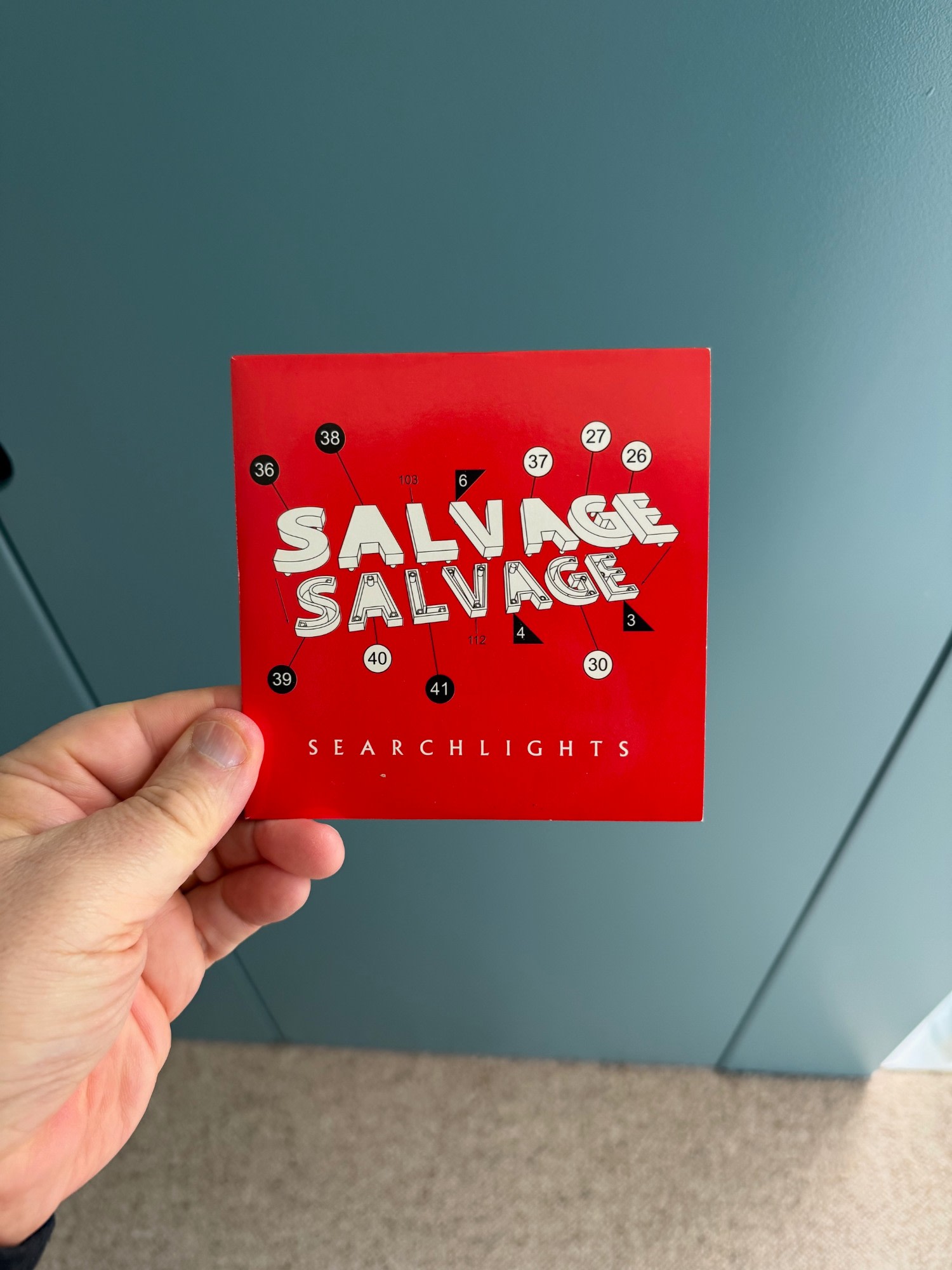
A music enthusiast has spent 15 years searching for information on 'Salvage,' an obscure indie rock band that produced two high-quality tracks. Despite the professional production value of the songs, the band remains a mystery, highlighting the ephemeral nature of music in the pre-streaming era.
The Enigma of Salvage: A Musical Mystery
For fifteen years, the band known as "Salvage" has remained a haunting anomaly in the landscape of indie rock. The mystery began in 2011, when a listener discovered two tracks, "Electric" and "Searchlights," that exhibited the hallmarks of high-end stadium indie rock—characterized by a blend of expansive, layered instrumentation and an elegantly simple melodic structure. Despite the professional quality of these recordings, the band effectively vanished, leaving behind no digital footprint or discernible history.
The Contradiction of Professionalism
The core of this mystery lies in the production quality of the songs. Unlike the lo-fi bedroom recordings that often define obscure internet music, "Electric" and "Searchlights" sound as though they were crafted by experienced hands with access to professional studio resources. This raises significant questions regarding the origins of the project. Was Salvage a legitimate group that failed to secure a label, or was it a transient side project involving session musicians or producers who simply moved on to other endeavors once the initial creative impulse faded?
The Digital Void and Lost Media
In an era before global streaming dominance, music often lived and died by physical distribution. The fact that these tracks were found on a CD suggests they were likely distributed in a limited capacity, possibly during a brief window when the band was active. The difficulty in tracking down the creators highlights the fragility of information in the early 2010s. Without an online presence or a catalog on major platforms, even well-produced music can easily drift into obscurity, becoming 'lost media' that defies modern search algorithms.
The Psychology of the Search
The persistent, multi-year search conducted by the author reflects a growing trend in digital archaeology: the hunt for 'lost' artifacts of the internet age. As listeners become more connected, the frustration of encountering a 'dead end'—a piece of art that lacks a creator’s signature—becomes a challenge that drives communities to pool their collective knowledge. This search for Salvage is not just about the music; it is a quest to resolve a narrative contradiction where a high-quality product exists in a vacuum, detached from its creators.
Implications for Modern Music Discovery
This case underscores the evolution of musical discovery. Today, algorithms push listeners toward curated content, making the accidental discovery of 'mystery' bands much rarer. The story of Salvage serves as a reminder of the thousands of projects that likely shared a similar fate—professional, thoughtful, and technically sound, yet ultimately swallowed by the passage of time. As we look toward the future, these digital ghosts serve as a testament to the thousands of unnamed artists who contributed to the sonic tapestry of the early 21st century without ever achieving mainstream recognition.