Review | ‘The Red Badge’ by Rajesh R. Varma conjures up a dystopian Keralam
Source Entity
India Latest News: Top National Headlines Today & Breaking News | The Hindu
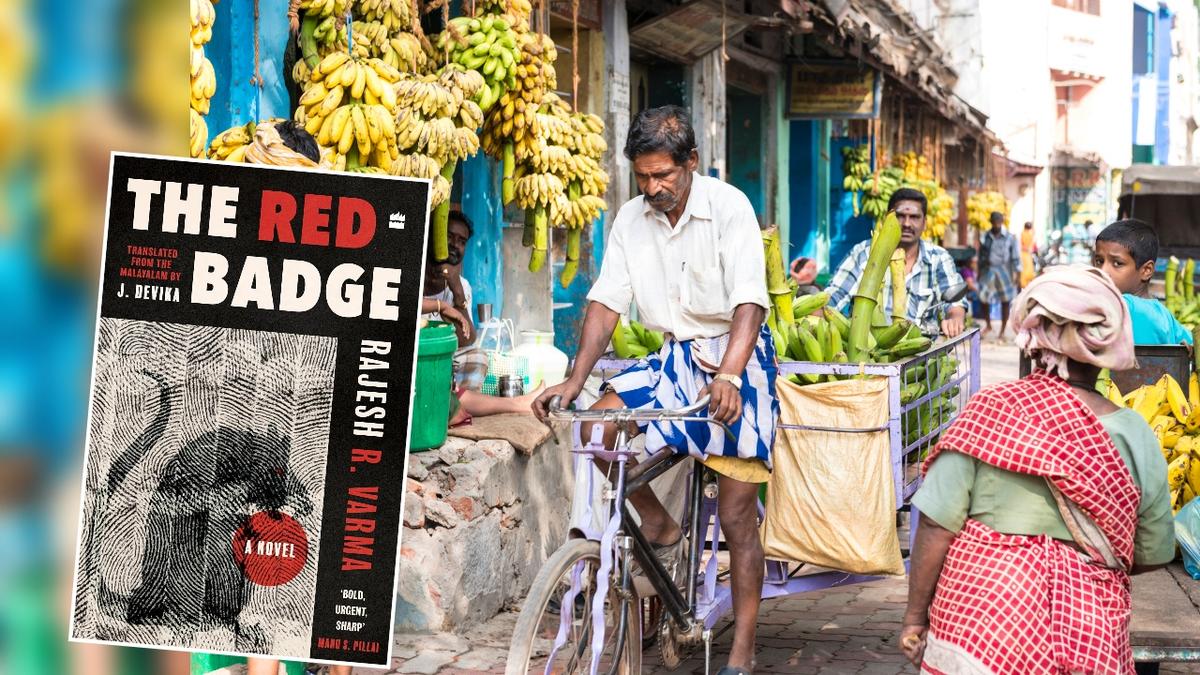
Rajesh R. Varma's novel 'The Red Badge', translated by J. Devika, presents a dystopian vision of 1974 Kerala. The book explores the intersection of authoritarianism, caste, and societal erasure through the eyes of a young boy.
A Dystopian Lens on Keralam
Rajesh R. Varma’s novel The Red Badge, originally published in Malayalam as Chuvanna Badge (2017), offers a haunting exploration of an alternate history where the socio-political landscape of Keralam is reshaped by an authoritarian regime. Recently translated into English by J. Devika, the work serves as a literary bridge, inviting a wider audience to engage with its complex themes. By situating its narrative in 1974 Tiruvalla, the novel effectively uses a localized setting to reflect broader, universal anxieties regarding state control and the fragility of democracy.
Narrative Structure and Perspective
The novel utilizes a faux autobiographical format, grounding its speculative elements in the intimate, subjective experience of a young boy named Rajesh. This narrative choice is crucial; by centering the perspective on a middle-class child, Varma highlights the sudden, often jarring transition from childhood innocence to the harsh realities of a shifting political climate. The protagonist’s move to an English-medium school serves as a catalyst for the story, mirroring the broader transformations occurring within Kerala during that era.
The Intersection of Caste and Authoritarianism
A central pillar of The Red Badge is its critique of how caste, prejudice, and authoritarian power converge to systematically dismantle cultural identity. Unlike traditional dystopian fiction that relies on futuristic technology, Varma’s work derives its terror from the manipulation of existing social structures. By analyzing how these prejudices are institutionalized, the novel illustrates the mechanisms through which an entire way of life can be erased under a totalitarian government.
Comparative Dystopian Contexts
The synthesis of Varma’s work alongside contemporary international literature—such as Paul Lynch’s Booker Prize-winning Prophet Song—reveals a growing global interest in the dystopian genre as a mirror for contemporary political instability. While Lynch explores a totalitarian Ireland, Varma’s Keralam provides a distinct, culturally specific look at how authoritarianism infiltrates the domestic sphere. Both authors argue that the roots of a terrifying future are firmly planted in the tensions of the present.
Literary Significance and Legacy
J. Devika’s translation is instrumental in bringing this critique to the forefront of modern Indian literary discourse. By preserving the voice and nuances of the Malayalam original, the English version ensures that Varma’s exploration of power dynamics remains accessible. The novel stands as a significant contribution to regional literature, challenging readers to consider how historical narratives are constructed and how easily they can be distorted by those in power.
Conclusion
Ultimately, The Red Badge is more than a work of speculative fiction; it is a profound meditation on the resilience of identity in the face of erasure. By intertwining the personal growth of a young protagonist with the political decay of a state, Rajesh R. Varma creates a narrative that is both deeply rooted in its 1974 setting and strikingly relevant to modern readers. It serves as a necessary reminder of the importance of vigilance against the creeping encroachment of authoritarianism in our daily lives.
Verification Required?