Why is Tim Cook stepping down? What he plans to do at his Palm Springs vacation home after Apple exit
Source Entity
Latest News: Todays Latest News Headlines from India & World | Hindustan Times | Hindustan Times
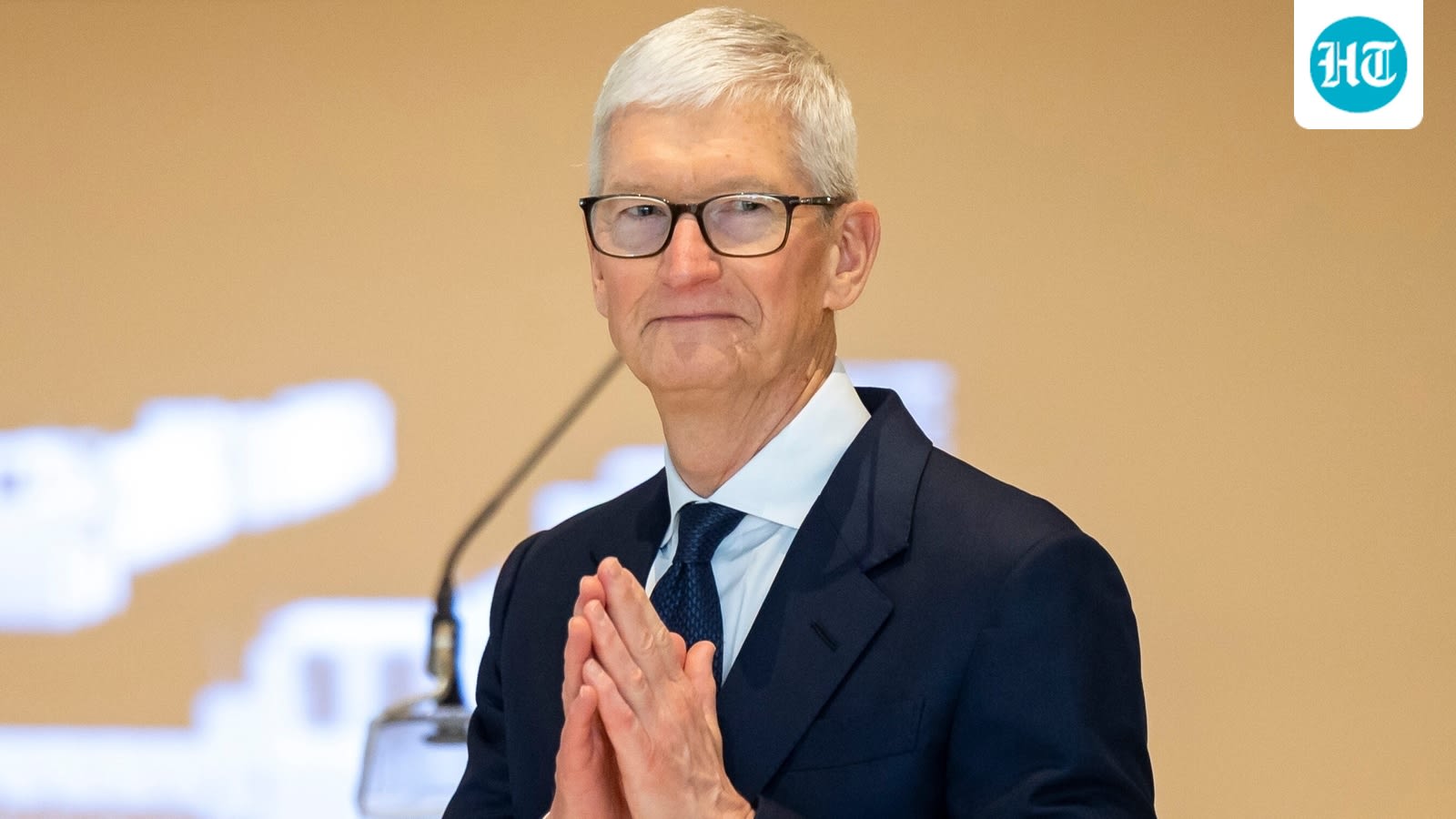
Tim Cook has officially stepped down as Apple CEO after 15 years, transitioning to the role of executive chairman. John Ternus has succeeded him, inheriting a $4.6 trillion company and the challenge of navigating the evolving AI landscape.
The End of an Era: Tim Cook’s Legacy at Apple
After a transformative 15-year tenure, Tim Cook has officially stepped down as the Chief Executive Officer of Apple, marking a historic transition for the world’s most valuable technology firm. Cook, who assumed the role in 2011 shortly before the passing of co-founder Steve Jobs, has overseen a period of unprecedented financial growth and cultural stability. In a heartfelt farewell memo to his employees, Cook characterized his team as "extraordinary," emphasizing that the company’s success is rooted in a culture where "what we build matters."
Financial Monument: A 2,275% Growth Trajectory
Under Cook’s leadership, Apple evolved from a company with a market capitalization of less than $350 billion into a $4.6 trillion corporate titan. This 2,275% gain in share value represents one of the most successful tenures in modern corporate history. Cook successfully diversified Apple’s portfolio beyond its core iPhone and Mac business, integrating high-margin hardware like Apple Watches and AirPods, alongside a robust expansion into digital financial services. This financial discipline cemented Apple’s status as a staple for global investors.
The Transition to John Ternus
John Ternus has officially assumed the mantle of CEO, inheriting a company that is vastly different from the one Cook inherited from Jobs. Ternus faces a complex environment characterized by rapid advancements in artificial intelligence. His leadership will be immediately tested by the intense industry-wide demand for AI integration, which has brought new supply chain challenges, including shortages of RAM and other critical components necessary to power modern machine learning workloads.
Navigating a Complex Global Landscape
Beyond the technological hurdles, Ternus steps into a geopolitical and economic climate that is significantly more volatile than the landscape of 2011. The new CEO must navigate complex international regulatory environments and shifting global trade dynamics while maintaining the innovative spirit that defined the Cook era. Notably, Ternus will manage these challenges without the benefit of many of the long-tenured executives who worked alongside both Jobs and Cook, signaling a definitive shift in Apple’s leadership hierarchy.
Continuity and the Future of Apple
Despite stepping down as CEO, Cook is not severing ties with the company. He will remain on the board of directors as the executive chairman, providing a bridge of continuity for the new administration. His parting advice—to "use AI for humanity"—serves as a philosophical anchor for the company’s future. As Apple enters this new chapter, the focus remains on whether Ternus can sustain the momentum generated by his predecessor while adapting to a future where AI and ethical responsibility remain at the forefront of the technological discourse.
Conclusion
The handover from Tim Cook to John Ternus marks a pivotal moment for Silicon Valley. While the financial benchmarks set by Cook provide a sturdy foundation, the path forward requires a delicate balance of operational excellence and strategic adaptation to the AI-driven era. With Cook remaining as executive chairman, Apple aims to preserve its core cultural values while embracing the next generation of leadership.
Multiple Citing Sources
Verification Required?