John Ternus is now the CEO of Apple
Source Entity
Thomas Ricker
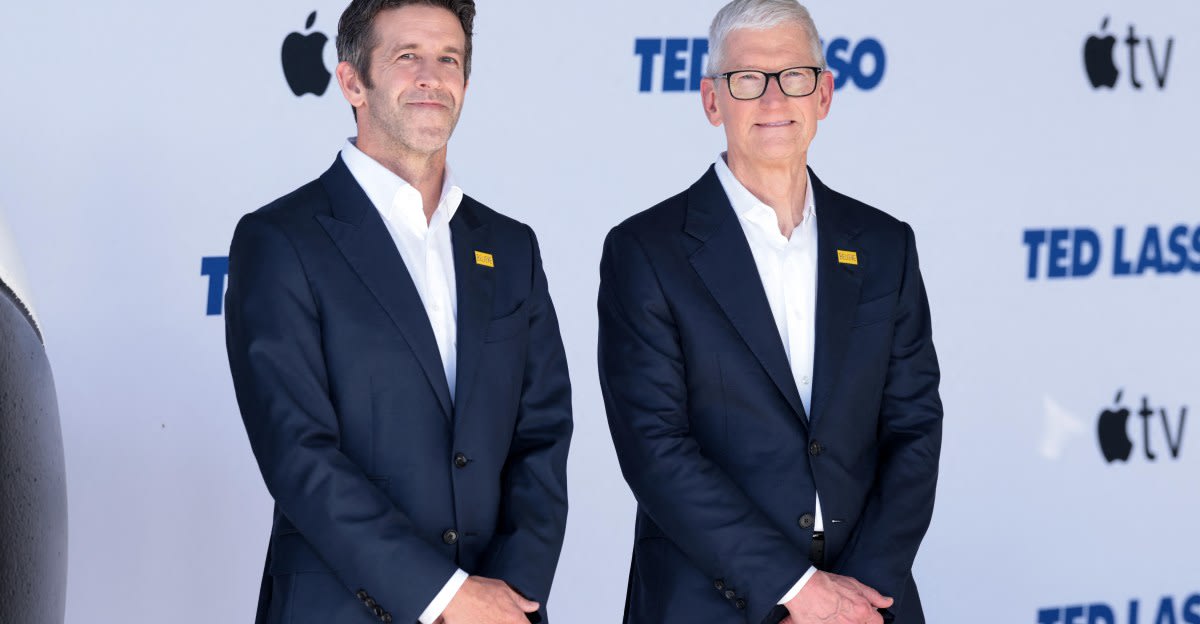
Tim Cook has officially stepped down as Apple CEO after a transformative 15-year tenure, passing leadership to John Ternus. Cook will remain with the company as executive chairman while Ternus inherits a $4.6 trillion tech giant facing new challenges in AI and global supply chain management.
The End of an Era: Tim Cook’s Legacy at Apple
After fifteen years of transformative leadership, Tim Cook has officially stepped down as the Chief Executive Officer of Apple. Since assuming the role in 2011, shortly before the passing of co-founder Steve Jobs, Cook has overseen a period of unprecedented growth. Under his stewardship, Apple evolved from a company with a market capitalization of under $350 billion into a $4.6 trillion behemoth. This transition marks the most significant leadership change for the tech giant in over a decade.
A Legacy of Growth and Diversification
Cook’s tenure is defined by his ability to scale Apple’s hardware ecosystem while aggressively expanding into services and wearables. During his time as CEO, Apple shares soared by 2,275%, cementing the company’s status as a cornerstone of global investment portfolios. By diversifying the product lineup beyond the iPhone and Mac to include the Apple Watch, AirPods, and a robust suite of financial services, Cook successfully transformed Apple into a multi-faceted global brand that touches nearly every aspect of modern consumer technology.
The Transition to John Ternus
As Tim Cook transitions into his new role as executive chairman of the board, the company enters a new chapter under incoming CEO John Ternus. This transition is not merely a change in personnel but a shift in operational focus. Ternus takes the helm at a time when the company is navigating complex headwinds, including the rapid advancement of artificial intelligence and the resulting pressures on global component supply chains, such as the increasing scarcity of high-end RAM.
Challenges Facing the New Leadership
John Ternus faces a landscape significantly more complex than the one Cook inherited in 2011. Beyond the technical challenges of integrating AI, Ternus must navigate a volatile political and economic environment. Furthermore, he will lead the company without the presence of many long-standing executives who served under both Jobs and Cook, meaning the company’s institutional culture—which Cook famously noted as the proof that "culture triumphs over everything"—will be tested under new guidance.
Philosophical Foundations and Future Outlook
In his farewell memo, Cook emphasized the importance of corporate responsibility, urging the company to use AI for the betterment of humanity. This message reflects the core philosophy of his tenure: a belief that building products carries a responsibility to leave the world better than it was found. As Ternus takes over, the market will be watching closely to see how he balances this legacy of ethical innovation with the immediate, high-stakes demands of the current technological arms race.
Conclusion
Tim Cook leaves behind "big shoes to fill," as noted by industry analysts, but he does so having left the company in a position of immense financial and cultural strength. While the departure of such a pivotal figure naturally invites uncertainty, Cook’s continued presence as executive chairman provides a bridge for stability. The future of Apple under John Ternus will ultimately be defined by how the company adapts to the AI-driven era while maintaining the high standards of product excellence established by his predecessors.
Multiple Citing Sources