TL, LTL rates to hit new highs in Q3
Source Entity
Yahoo Finance
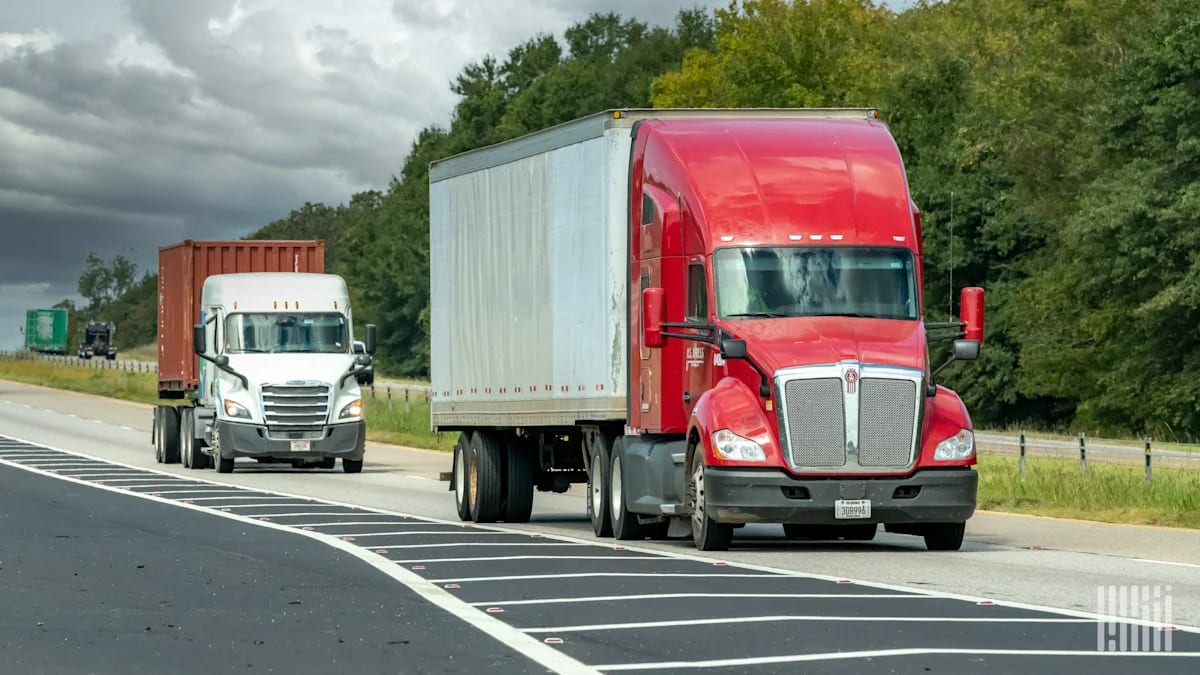
Truckload (TL) and less-than-truckload (LTL) freight rates reached new highs in the second quarter and are forecasted to continue climbing in Q3, signaling a strong recovery from a four-year industry downturn.
The Resurgence of Freight: Analyzing the Surge in TL and LTL Rates
The logistics and transportation sector is witnessing a pivotal shift as Truckload (TL) and Less-Than-Truckload (LTL) rate indexes reached fresh highs in the second quarter. This upward trajectory is not merely a seasonal fluctuation but represents a broader recovery from a grueling four-year downturn that has plagued the freight industry. As the market enters the third quarter, analysts expect rates to continue their ascent, signaling a transition from a 'shipper's market'—where capacity was abundant and prices low—back toward a 'carrier's market.'
Understanding the Four-Year Downturn
To fully grasp the significance of the current rate hike, one must look at the historical context of the preceding four years. Following the extreme volatility and artificial peaks of the pandemic era (2020-2022), the industry entered a period of correction often described as a 'freight recession.' During this time, an oversupply of equipment and a cooling of consumer demand led to a sustained slump in spot rates. Carriers faced shrinking margins, leading many smaller operators to exit the market or consolidate. The current surge in Q2 indicates that the industry has finally bottomed out and is now reacting to a renewed alignment of capacity and demand.
TL vs. LTL: Divergent but Parallel Growth
The simultaneous rise in both TL and LTL rates is particularly noteworthy. Truckload (TL) shipping, which involves a single shipper occupying the entire trailer, typically reflects macro-economic shifts in bulk commodity movement and large-scale retail replenishment. In contrast, Less-Than-Truckload (LTL) shipping involves consolidating smaller shipments from multiple customers. The fact that both indexes are hitting new highs suggests a comprehensive recovery across the entire supply chain—from large-scale industrial movements to smaller, high-frequency e-commerce and B2B shipments.
Economic Drivers and Capacity Constraints
Several critical factors are driving this upward pressure on rates. First, the pruning of carrier capacity during the downturn has left the market leaner; there are fewer trucks available to handle the returning volume. Second, operational costs, including driver wages and insurance, have remained stubbornly high, forcing carriers to raise their base rates to maintain viability. Furthermore, as businesses ramp up inventory for the second half of the year, the increased demand for space is naturally pushing prices higher, especially as the industry moves into the high-volume Q3 window.
Broader Implications for the Supply Chain
This trend has significant implications for shippers and, ultimately, the end consumer. When TL and LTL rates rise, the cost of transporting goods increases, which often translates into higher landed costs for products. Companies that relied on the low-cost environment of the last few years may now face margin compression. To mitigate this, we can expect a renewed focus on logistics optimization, such as improved route planning and a shift toward more strategic long-term contracting over the volatile spot market to lock in rates before they peak further in Q3.
Future Outlook and Predictions
Looking ahead, the momentum established in Q2 is likely to carry through the end of the year. Q3 is traditionally a period of preparation for the peak holiday season, and the current rate trajectory suggests a very tight market heading into Q4. If the trend continues, we may see a period of sustained rate inflation until new capacity—via new truck purchases or carrier entries—can catch up with the demand. The industry is essentially resetting its baseline, moving away from the anomalies of the early 2020s toward a more sustainable, albeit more expensive, equilibrium.
Summary
The recovery of TL and LTL rates marks the end of a prolonged industry slump. Driven by capacity constraints and returning demand, the projected highs for Q3 reflect a healthier, albeit tighter, freight market. While this is a positive signal for carriers, it presents a cost challenge for shippers that will require strategic planning to navigate.