Once mandatory, Mamata Banerjee’s books to be removed from Bengal public libraries
Source Entity
Ravik Bhattacharya
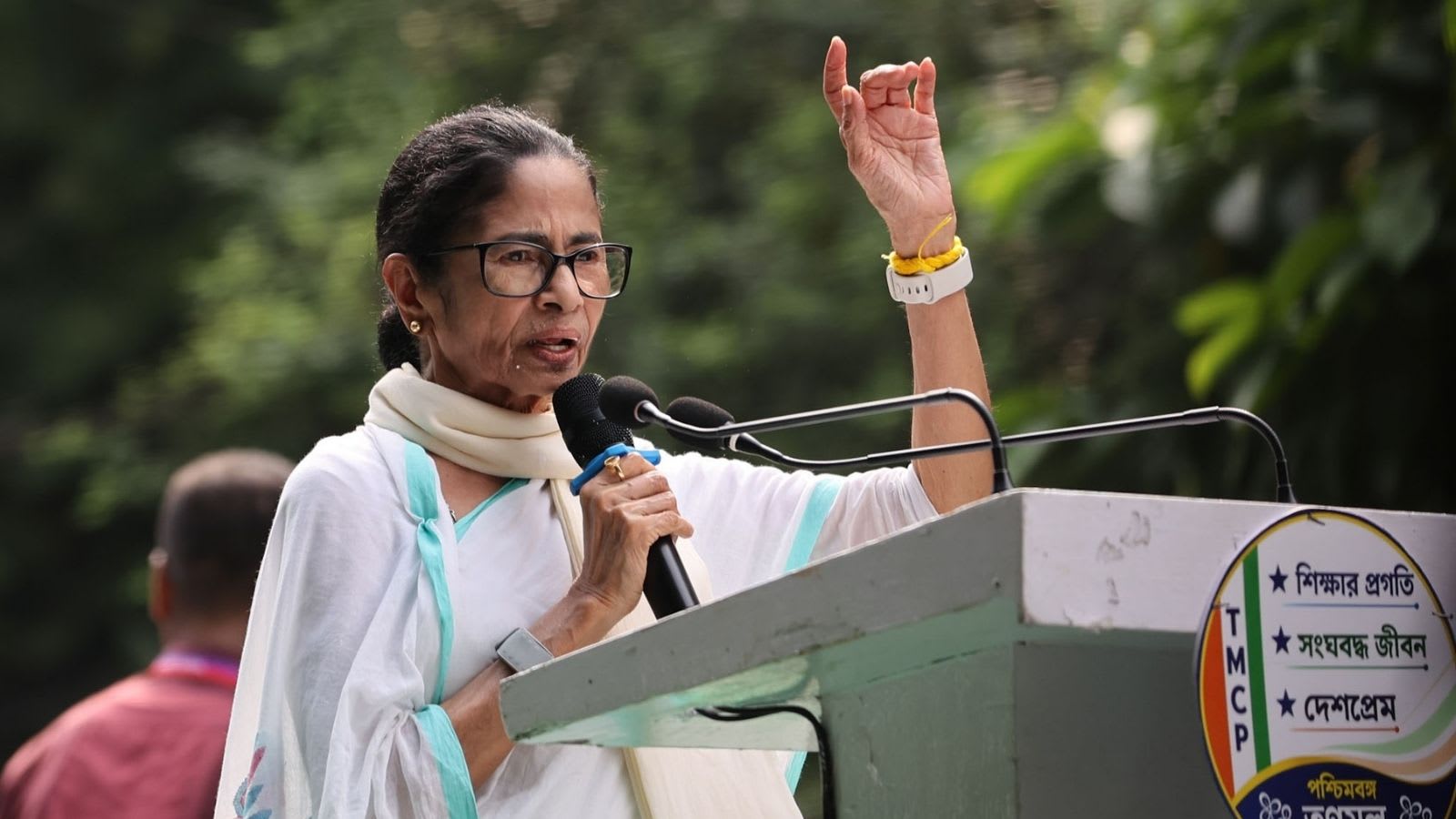
Following a recent electoral defeat, Mamata Banerjee has vowed the TMC will return to power while facing mounting pressure from the BJP-led government. Tensions have escalated as the state removes her books from libraries and files criminal charges against top TMC leaders.
Political Turbulence in West Bengal: The TMC-BJP Power Struggle
West Bengal's political landscape is currently defined by a sharp confrontation between the Trinamool Congress (TMC), led by former Chief Minister Mamata Banerjee, and the incumbent BJP administration. Three months after a significant electoral defeat, Banerjee has publicly challenged the legitimacy of the current government, asserting that her party will return to power soon. This rhetoric suggests a strategy of mobilization aimed at regaining the political momentum lost during the recent assembly polls.
The Battle of Narratives and Symbols
The tension is not merely electoral but also symbolic. The state government has initiated a campaign to remove books written by Mamata Banerjee from public and school libraries, labeling them as "unnecessary" and emblematic of a "dictatorship" under her previous tenure. By targeting works like Epang-Opang-Jhapang, the current administration is attempting to dismantle the legacy of the former regime, framing the previous policy of mandatory book inclusion as an overreach of state influence in educational spaces.
Legal Escalation and Institutional Friction
The conflict has moved from the ideological sphere into the legal arena. High-profile TMC leaders, including Abhishek Banerjee and Derek O’Brien, are currently facing FIRs following a confrontation with police over the removal of a party hoarding in Kolkata. The authorities, acting under the direction of the Kolkata Municipal Corporation, have arrested 13 individuals, signaling a hardening stance by law enforcement against the opposition.
Challenges to Public Assembly
Institutional friction is also evident in the management of public spaces. The recent Trinamool Chhatra Parishad (TMCP) foundation day highlighted the deep schisms within the political fabric, as both the Mamata Banerjee-led faction and rebel groups vied for space. The intervention of the Calcutta High Court to designate separate venues for these factions underscores the volatile nature of public demonstrations in the state, where political rivalry often threatens to disrupt public order.
Future Implications and Political Outlook
As the TMC attempts to regroup, the combination of legal challenges against its leadership and the systematic removal of its cultural influence presents a formidable barrier. The BJP’s strategy appears to be a dual-track approach: dismantling the former administration’s institutional footprint while utilizing legal and administrative mechanisms to curb the influence of top TMC figures. Whether Mamata Banerjee can successfully frame these actions as state-sponsored persecution to galvanize her base remains the central question for West Bengal’s political future.
Multiple Citing Sources