We know of Treesa Jolly’s smash – but the net game was what won India World’s bronze
Source Entity
Shivani Naik
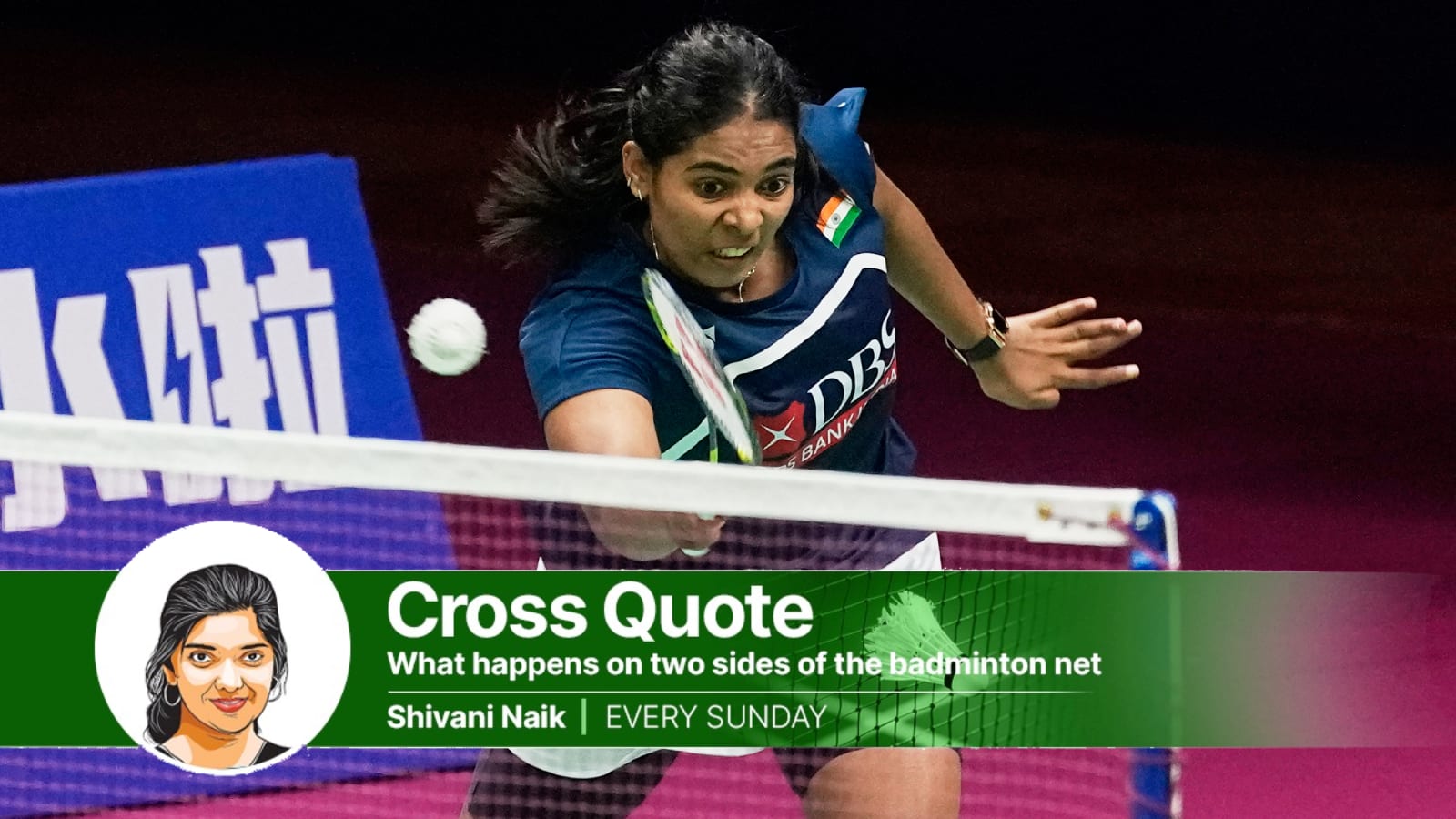
Treesa Jolly's evolution from a power-based hitter to a net-game specialist mirrors the career trajectory of stars like PV Sindhu. By refining her tactical finesse, she has become a pivotal force in India's recent international badminton success.
The Tactical Evolution of Treesa Jolly
In the high-octane world of international badminton, power is often the most celebrated attribute. However, the rise of Indian shuttler Treesa Jolly highlights a critical evolution in the sport: the transition from being a one-dimensional 'smash machine' to a master of the net. As noted in recent reports, Jolly’s journey mirrors that of Olympic medalist PV Sindhu, moving beyond raw physicality to embrace the nuanced, meditative art of court control.
Overcoming Early Setbacks
Jolly’s resilience was tested as early as 2016. Following a collision with her mixed doubles partner that resulted in a significant leg injury, she was faced with a month-long recovery prognosis. Rather than stepping away from the sport, she displayed an early commitment to her craft by returning to the court almost immediately, sitting on a bench to observe and refine her mental approach. This period of forced inactivity allowed her to shift her focus from the physicality of the smash to the tactical geometry of the game.
The Art of the Net Game
While Jolly and her contemporaries are often recognized for their expansive power, the true turning point in her career has been the mastery of the 'unspoken battle-zone'—the net. By learning to treat the racquet as a scalpel rather than a scythe, Jolly has developed the ability to disrupt her opponents' rhythm. This transition from raw aggression to surgical precision is what defines the elite level of modern doubles badminton.
Parallels with Olympic Success
The narrative of injury and adaptation is not unique to Jolly; it is a shared experience among India’s greatest shuttlers. Much like PV Sindhu, who famously managed a foot injury leading up to her historic Rio Olympics silver medal, Jolly has utilized periods of physical limitation to sharpen her technical acumen. Both athletes demonstrate that long-term success at the World level requires a balance between explosive athleticism and the quiet, meditative discipline required to control the shuttle at the net.
Implications for Indian Badminton
Jolly's recent contribution to India’s World Championship bronze medal performance serves as a testament to this strategic maturation. Her ability to integrate high-velocity smashes with delicate net play has made her an indispensable asset to the Indian squad. As she continues to refine these skills, the focus remains on her capacity to maintain tactical composure under the immense pressure of international competition.
Future Outlook
Looking ahead, Jolly’s trajectory suggests a promising future for Indian women's doubles. By prioritizing the 'feel' of the shuttle over mere brute force, she has set a new standard for young players in the country. Her development underscores a broader trend in badminton where tactical intelligence is increasingly becoming the deciding factor in podium finishes, ensuring that India remains a formidable contender on the global stage.