How tribal land disputes persist in Jharkhand despite legal safeguards
Source Entity
Shriya Murmu
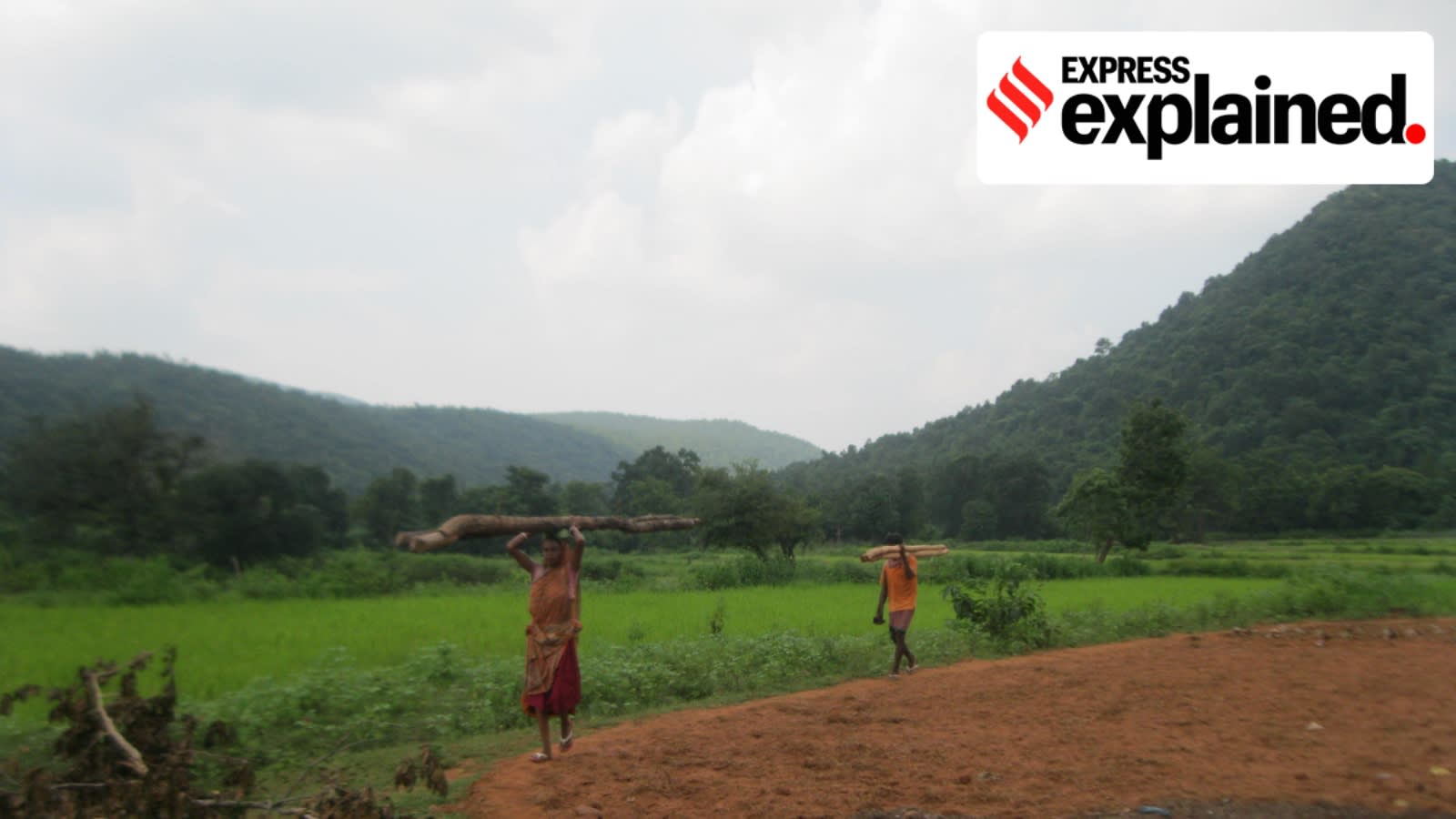
Over 170 years ago around this time, the Santals rose in rebellion against the British in the lush Damin-i-Koh region in present-day eastern Jharkhand. In the ‘Hul’ (revolution) of 1855, the Santals s...
The Eternal Struggle for Soil: Land Disputes in Jharkhand
The persistence of land disputes in Jharkhand is not merely a contemporary legal failure but a continuation of a centuries-old struggle for autonomy and survival. The mention of the 1855 'Hul' or Santal rebellion serves as a critical reminder that the indigenous communities of this region have long been in conflict with external administrative powers over the ownership and stewardship of their ancestral lands. The rebellion in the Damin-i-Koh region was a direct response to the oppressive Zamindari system imposed by the British, which commodified land and marginalized the Santals. This historical trauma informs the current socio-political climate, where land is viewed not just as a resource, but as a sacred link to identity and heritage.
The Legal Paradox: Safeguards vs. Reality
To address these historical grievances, the Indian state implemented specific legal frameworks, most notably the Chota Nagpur Tenancy (CNT) Act and the Santhal Parganas Tenancy (SPT) Act. These laws were designed to prevent the alienation of tribal lands by restricting the transfer of land from tribal owners to non-tribals. However, there exists a profound gap between the statutory protections on paper and the ground reality. Despite these safeguards, land continues to be diverted through loopholes, fraudulent documentation, and 'benami' transactions, where land is legally held by one person but beneficially owned by another. This systemic leakage underscores a failure in administrative oversight and a lack of political will to protect the most vulnerable stakeholders.
The Pressure of Industrialization and Extraction
Jharkhand is one of India's most mineral-rich states, which places it at the center of a tug-of-war between indigenous rights and industrial development. The drive for mining—specifically coal and iron ore—often leads to the large-scale acquisition of tribal lands. While the government may cite 'public purpose' for such acquisitions, the resulting displacement often leaves tribal communities without adequate compensation or sustainable livelihoods. This industrial hunger effectively bypasses the spirit of the CNT and SPT Acts, as the state's appetite for resource extraction often outweighs its commitment to the legal protections promised to its tribal citizens.
Socio-Economic Implications of Land Alienation
When tribal communities lose their land, the impact is catastrophic and multi-dimensional. Land alienation leads to the erosion of traditional social structures and a loss of cultural identity, as tribal life is intrinsically tied to the forest and the soil. This displacement often forces indigenous populations into precarious urban labor markets, where they face systemic discrimination and poverty. Furthermore, the persistence of these disputes fuels regional instability and social unrest, as the feeling of betrayal by the state reinforces a narrative of marginalization that has existed since the British colonial era.
Future Trends and the Path to Resolution
Looking forward, the resolution of land disputes in Jharkhand will likely depend on the successful digitization of land records and the rigorous enforcement of existing laws. While technology offers a way to reduce fraudulent transfers, it also risks excluding those without digital literacy unless paired with community-led verification. There is an urgent need for a more inclusive approach to development—one that recognizes the 'Forest Rights Act' and ensures that tribal communities are partners in development rather than victims of it. If the state fails to bridge the gap between legal theory and practice, the spirit of the 1855 rebellion may continue to manifest in modern forms of civil disobedience and social volatility.
Conclusion
In summary, the land disputes in Jharkhand are a complex intersection of colonial history, legislative failure, and the pressures of modern capitalism. The memory of the Santal rebellion highlights the resilience of the tribal people and the enduring nature of their claim to the land. For a lasting peace and a just society, Jharkhand must move beyond symbolic legal safeguards and implement a genuine system of land governance that prioritizes indigenous rights over extractive industrial interests.