Why wasn’t Trump at NYC 9/11 memorial? His ‘corrupt’ claim over Ground Zero absence explained
Source Entity
Latest News: Todays Latest News Headlines from India & World | Hindustan Times | Hindustan Times
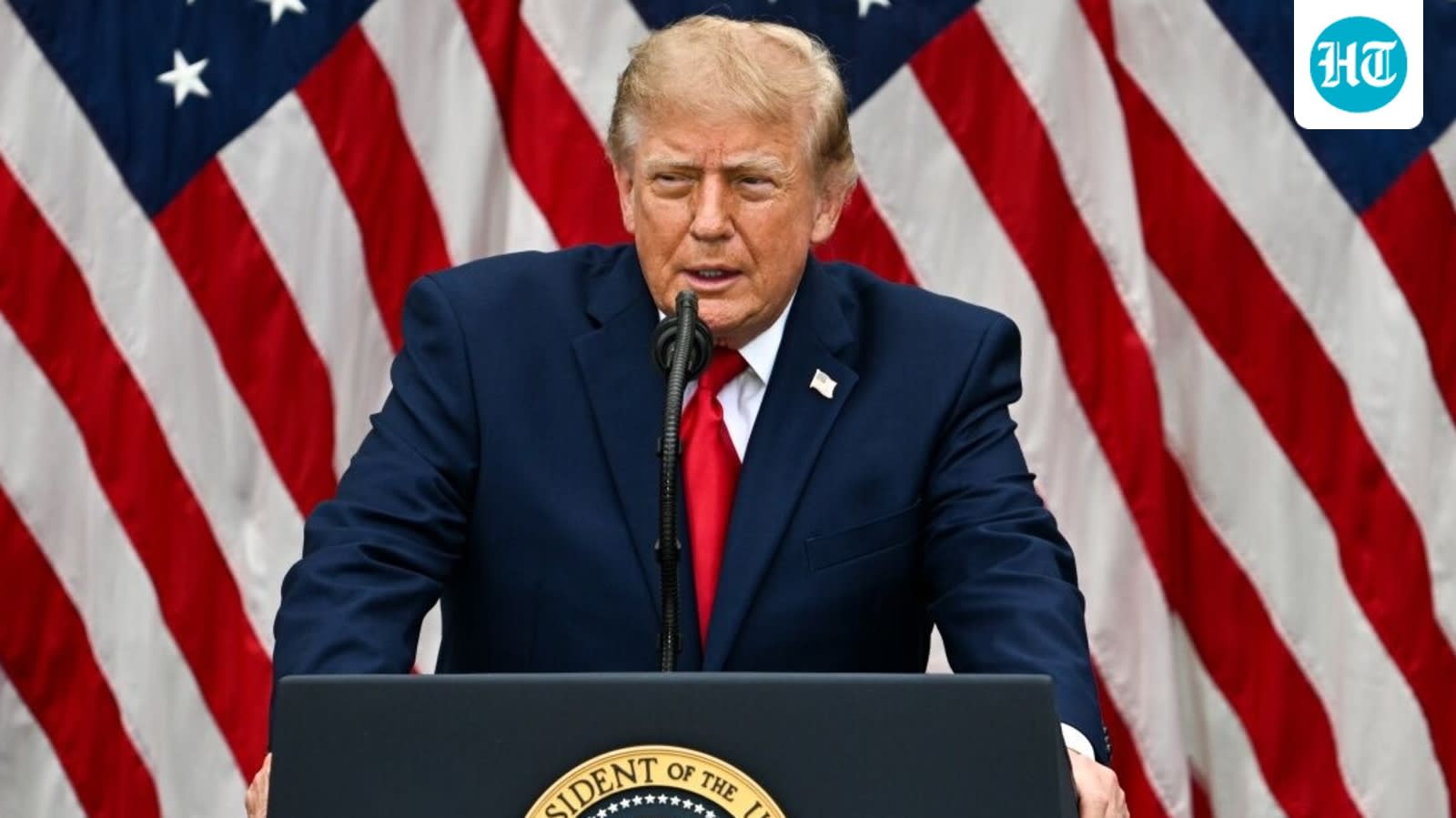
Former President Donald Trump attended a 9/11 memorial at the Pentagon while JD Vance represented his ticket in New York. The appearance sparked intense online speculation regarding Trump's health due to observations of his posture and facial expressions.
The Optics of Remembrance: Analyzing the 9/11 Memorial Divergence
On the anniversary of the September 11 terrorist attacks, the political landscape was marked by a distinct split in observance. While the traditional Ground Zero ceremony in New York City saw the attendance of JD Vance alongside other former political figures, Donald Trump opted to attend the memorial services held at the Pentagon. This decision to bifurcate the presence of the Republican ticket served as a focal point for media scrutiny, highlighting the symbolic importance of location and presence in American political theater.
Analyzing the Pentagon Attendance
The choice to attend the Pentagon ceremony, where 184 individuals lost their lives, shifted the focus of Trump’s commemoration away from the epicenter of the World Trade Center attacks. By attending the Pentagon service alongside Melania Trump, the former president engaged in a solemn act of remembrance, listening to the reading of the victims' names. However, the optics of the event were immediately overshadowed by social media discourse regarding his physical presentation during the proceedings.
Digital Scrutiny and Health Speculation
During the Pentagon ceremony, observers, including journalist Aaron Rupar, noted a perceived 'droop' in Trump’s lip and a hunched posture. These visual observations, amplified across platforms like X (formerly Twitter), quickly transitioned into widespread speculation regarding the former president's health. In the digital age, high-definition captures of political figures are routinely scrutinized for signs of medical distress, with facial drooping being commonly associated in public discourse with the potential onset of a stroke.
The Intersection of Politics and Perception
This incident underscores the intense level of scrutiny applied to presidential candidates and former presidents. Every public appearance is dissected not only for its political significance but for physical cues that might imply underlying health vulnerabilities. When a public figure appears tired or exhibits unusual physical mannerisms during a high-stakes event, it often triggers a viral cycle of conjecture that transcends the original context of the event, in this case, the somber reflection of 9/11.
Broader Implications for Campaign Optics
As the political season progresses, the management of 'optics' becomes paramount. The juxtaposition of JD Vance in New York and Trump at the Pentagon highlights a strategic effort to cover multiple symbolic sites, yet the resulting focus on Trump’s physical state illustrates the risks inherent in live, broadcasted ceremonies. The discourse surrounding this event serves as a reminder that in modern American politics, the physical vitality of a candidate is as much a matter of public debate as their policy platforms.
Concluding Summary
The events at the 9/11 memorial reflect the intersection of historical remembrance and modern digital scrutiny. While the primary function of the day was to honor the victims of the 2001 attacks, the focus shifted toward the physical performance of the former president. This narrative highlights how quickly political events can be subsumed by viral health speculation, a trend that will likely continue to influence the public perception of political leaders throughout the campaign cycle.
Verification Required?