Air Force One 'switch' report lands NYT reporters in Trump's crosshairs, served subpoenas
Source Entity
TOI WORLD DESK
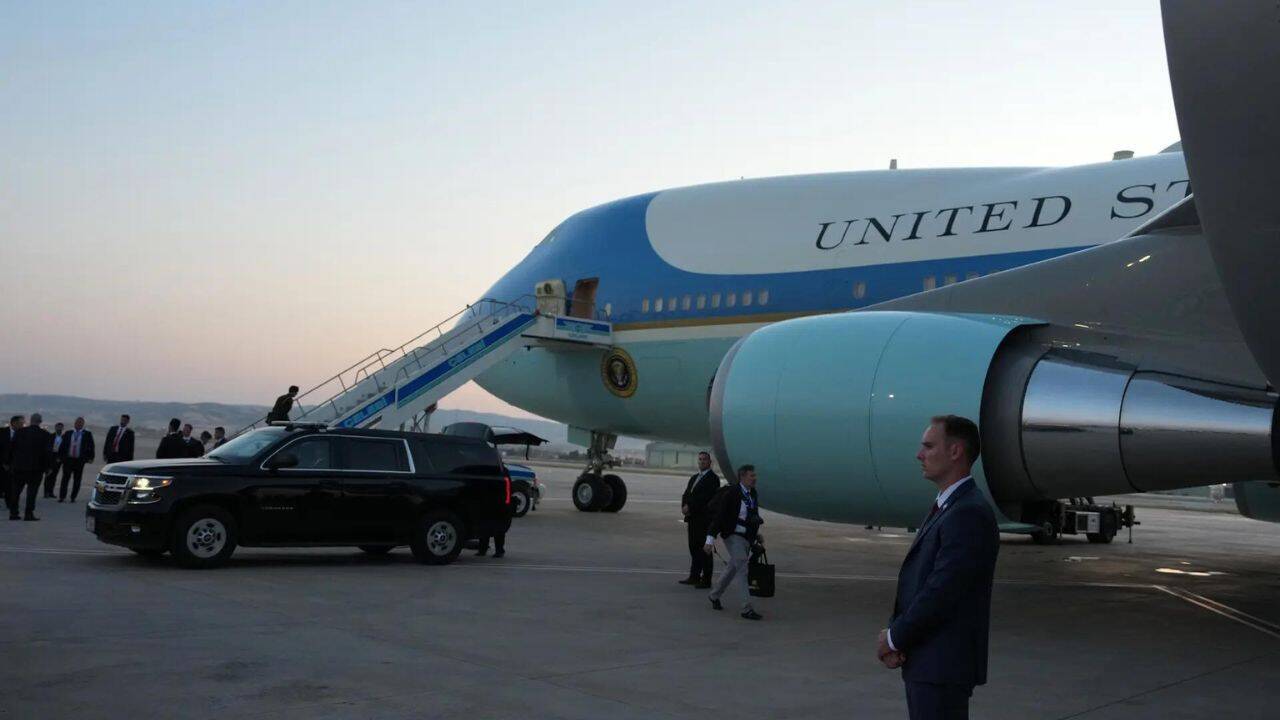
Several New York Times reporters were served subpoenas on Friday by the Trump administration over the newspaper's reporting on security concerns involving the new Air Force One.According to The New Yo...
The Collision of Executive Power and Press Freedom
The serving of subpoenas to New York Times reporters marks a significant escalation in the ongoing tension between the Trump administration and the American press. This specific conflict centers on the "switch" report, which highlighted potential security vulnerabilities associated with the procurement and design of the new Air Force One aircraft. The move signals a hardline approach to leak investigations, positioning the administration against one of the nation's most influential journalistic institutions in a battle over the boundaries of government secrecy.
The Air Force One Security Controversy
At the heart of this legal battle is reporting on the security protocols and technical specifications of the new presidential aircraft. Air Force One is not merely a transport vehicle but a mobile command center capable of managing national security crises. Any reported "switch" or vulnerability in its security framework is viewed by the administration as a critical breach of national security. For the NYT, however, the reporting represents a necessary audit of government spending and the efficacy of defense contracts, ensuring that a multi-billion dollar project meets the required safety standards.
First Amendment and Reporter's Privilege
The use of subpoenas is a tactical move to force journalists to reveal their confidential sources. This puts the reporters in a precarious position: comply with a federal court order or face contempt charges. This struggle highlights the fragility of "reporter's privilege," the concept that journalists should be able to protect sources to ensure a free flow of information to the public. The administration's insistence on identifying the leakers suggests a priority on internal discipline and the punishment of whistleblowers over public transparency.
The Adversarial Relationship with the Media
This incident is not an isolated event but part of a broader pattern of hostility between the Trump administration and the mainstream media. By targeting the NYT, the administration reinforces its narrative that certain media outlets are "enemies of the people." This adversarial stance creates a chilling effect on whistleblowers within the government, who may fear severe retribution if they expose waste or security flaws in high-profile projects. This environment complicates the role of the press as a watchdog for government operations.
Balancing Secrecy and Oversight
The government's argument rests on the necessity of absolute secrecy to protect the President of the United States. However, the counter-argument is that extreme secrecy can hide incompetence or corruption in the procurement process. If security concerns regarding a critical asset like Air Force One are suppressed through legal intimidation, the public is left unaware of potential risks to the executive branch's safety and the potential misuse of taxpayer funds in the defense industrial complex.
Predicting Future Legal Trends
Moving forward, this case is likely to wind through the courts, potentially reaching a point where the judiciary must weigh the government's specific need for secrecy against the First Amendment. The outcome will set a precedent for how future administrations handle leaks. If the subpoenas are upheld without a stringent "balancing test," it may lead to a significant decrease in high-level leaks, while also potentially shielding the government from legitimate investigative scrutiny regarding national security failures.
Conclusion
In summary, the subpoenas served to NYT reporters over the Air Force One report represent a fundamental collision between national security imperatives and the First Amendment. While the administration seeks to plug leaks and maintain the integrity of presidential security, the press views this as an attack on the fundamental role of investigative journalism. The resolution of this conflict will serve as a litmus test for the health of the free press in the face of assertive executive power.