Trump announces Essar-backed $18 billion investment to build integrated US steel company
Source Entity
The Indian Express
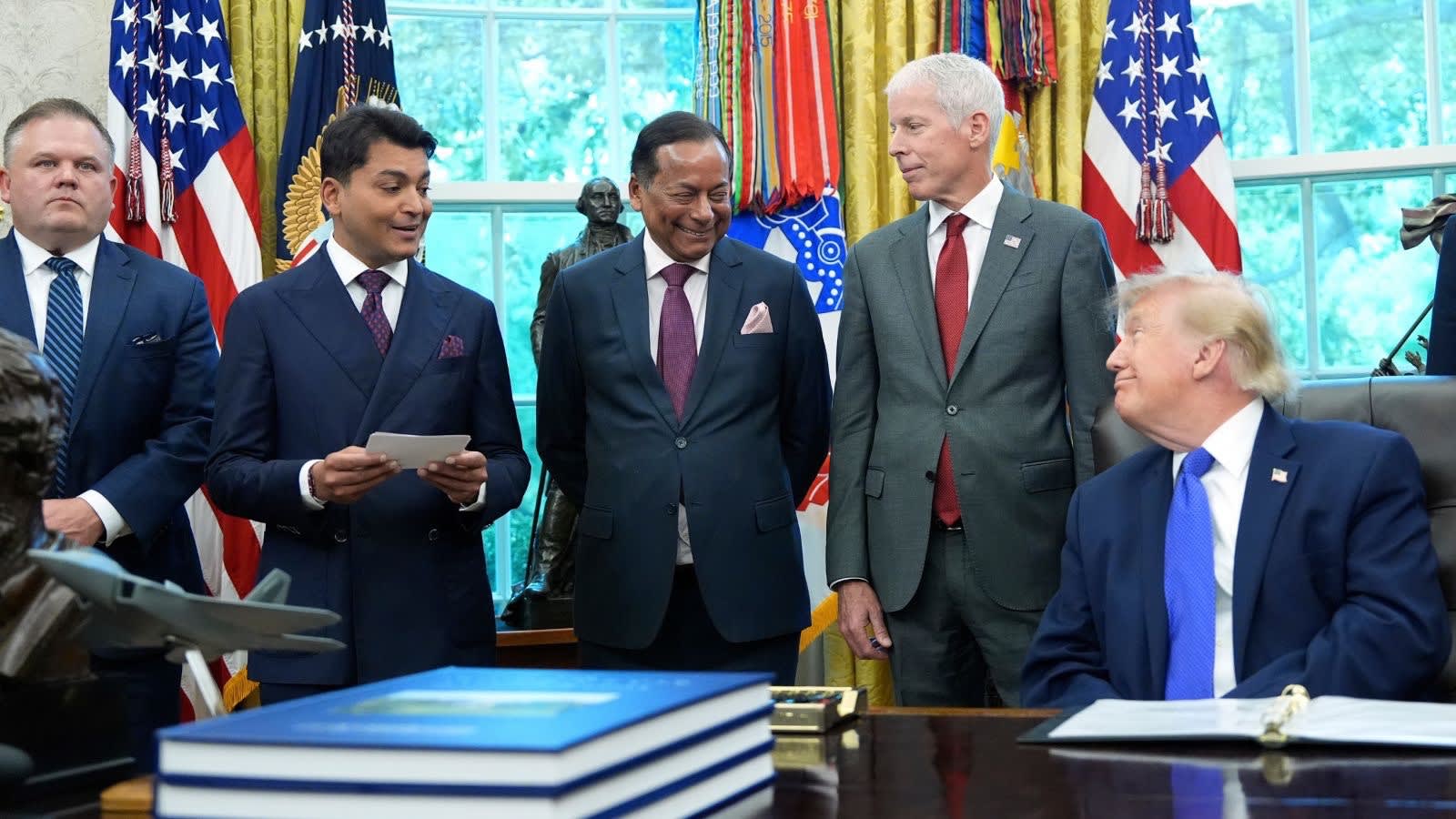
President Donald Trump has announced a historic $15 billion steel plant project in Iowa backed by the Essar-supported Mesabi Metallics. This massive industrial initiative aims to integrate iron ore mining in Minnesota with steel production, signaling a significant push in domestic manufacturing policy.
A Landmark Industrial Investment
President Donald Trump has unveiled a monumental economic initiative involving a proposed $15 billion investment by Mesabi Metallics, a firm backed by the Indian multinational conglomerate Essar Group. This project, intended to establish the largest integrated steel plant in United States history, marks a significant shift in domestic industrial strategy. By linking iron ore mining operations in Minnesota with a massive, state-of-the-art steel complex in Iowa, the project aims to create a vertically integrated supply chain that proponents argue will bolster American manufacturing capabilities.
The Geopolitical and Economic Context
The announcement, held at the White House, featured key administration officials including Commerce Secretary Howard Lutnick and Energy Secretary Chris Wright, alongside Iowa state leadership such as Governor Kim Reynolds. The involvement of the Essar Group highlights the growing trend of international private-sector capital being leveraged to drive domestic industrial goals under the "America First" policy framework. This partnership between a U.S.-based project and an Indian conglomerate reflects a nuanced approach to global trade, where foreign investment is utilized to revitalize domestic infrastructure and production capacity.
Strategic Timing and Economic Sentiment
This high-profile announcement arrives at a critical juncture in the American political calendar. With midterm elections looming, public sentiment regarding the national economy has been notably sour, presenting a challenge for the administration. By focusing on a long-term, multi-billion dollar industrial project, the White House is clearly attempting to shift the narrative toward job creation and capital investment. The promise of such a massive facility serves as a tangible metric of economic commitment, intended to address voter concerns about the current state of the U.S. economy.
Technical Scope and Future Outlook
While the project is currently in the planning stages with a target production commencement date of 2030, its sheer scale distinguishes it from typical infrastructure investments. The integration of raw material extraction in Minnesota with processing in Iowa suggests an effort to minimize logistical overhead and maximize efficiency. If realized, the facility would represent a generational shift in how the U.S. approaches steel production, potentially reducing reliance on foreign-finished steel imports and strengthening the domestic industrial base.
Implications for Future Policy
The success of this initiative will likely serve as a benchmark for future industrial policy. By aligning with private entities like Mesabi Metallics, the administration is signaling a preference for large-scale, private-sector-led development over direct government intervention. Whether this model can successfully navigate the complexities of environmental regulations, labor requirements, and the long lead time to production remains to be seen. However, the event underscores a clear strategic pivot toward heavy industry as a pillar of national economic security.
Multiple Citing Sources