Trump pushes Iran war decision to 2027, says he'll 'see what happens' after Jan 1
Source Entity
TRISHA MAHAJAN
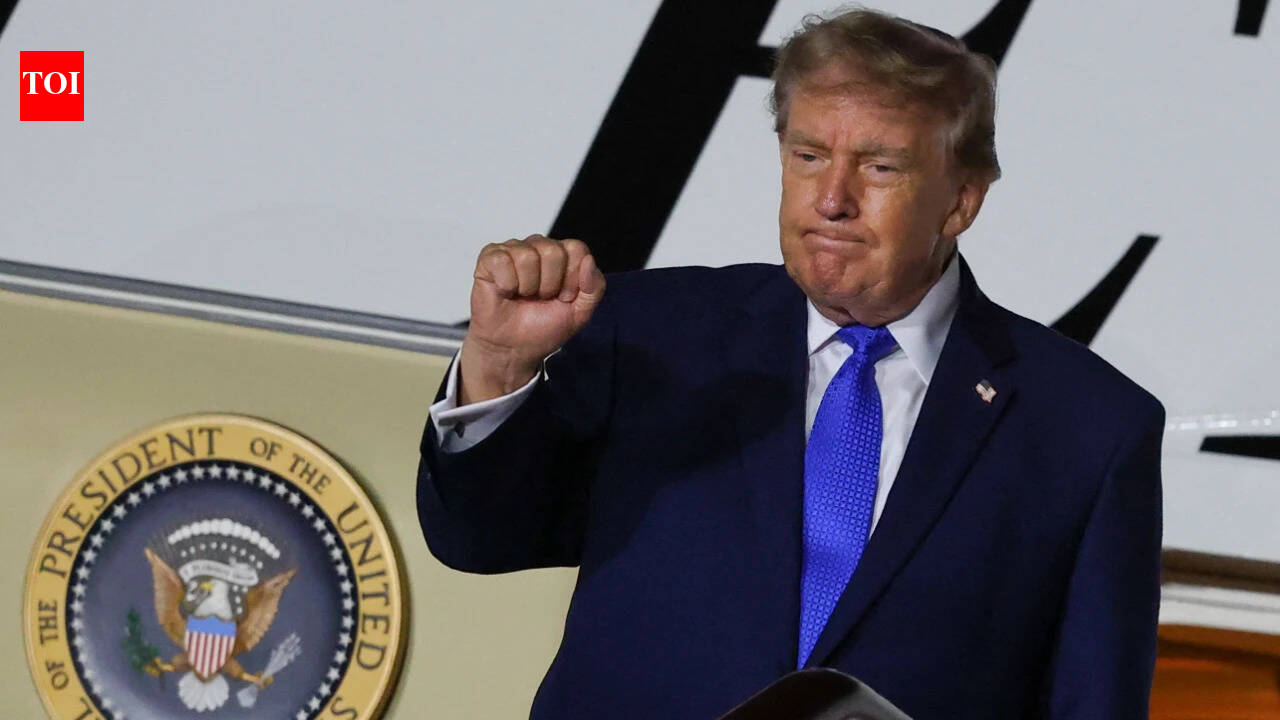
President Trump has deferred any potential military action against Iran until after January 1, 2027. This decision follows a trilateral summit with leaders from Russia and China, despite ongoing pressure from Israel for strikes.
Strategic Deferral: Trump Postpones Iran Military Decisions
US President Donald Trump has officially signaled a pause in potential military escalation against Iran, explicitly stating that he will not make decisions regarding fresh strikes until after the beginning of 2027. This shift in posture, communicated through interviews with Axios and Reuters, marks a departure from the immediate pressure to engage in kinetic conflict. By stating he is "not rushing into any decision," the President has effectively moved the timeline for potential military action into the next calendar year.
The Trilateral Context: Shenzhen Summit Implications
The timing of this announcement is highly significant, occurring only hours after a trilateral meeting in Shenzhen between President Trump, Russian President Vladimir Putin, and Chinese President Xi Jinping. Political analysts are now scrutinizing this summit to determine if diplomatic leverage from these global powers influenced the U.S. decision to delay. The juxtaposition of this high-level meeting with the policy pause suggests that Washington is recalibrating its foreign policy to account for the positions held by Moscow and Beijing regarding Middle Eastern stability.
Navigating Domestic and International Pressures
Despite the delay, the administration remains under intense pressure from Israeli Prime Minister Benjamin Netanyahu, who has been a vocal proponent of renewed strikes on Iranian nuclear facilities and infrastructure. The U.S. continues to maintain significant economic and naval pressure on Tehran, suggesting that while physical military action is paused, the broader strategy of containment remains active. President Trump has also downplayed specific security concerns, including the threat of Iran detonating a dirty bomb in Washington, signaling a preference for calculated patience over reactive posturing.
Financial and Strategic Considerations
The decision to delay military action has sparked debate within the U.S. Congress, particularly regarding the financial implications of a potential war with Iran. Military experts note that the economic cost of such an intervention, combined with the volatility it would introduce to global energy markets, provides a strong incentive for the administration to exhaust diplomatic avenues. By pushing the decision to 2027, the White House is buying time to assess the long-term sustainability of its current "maximum pressure" campaign.
Future Trends and Regional Stability
Looking ahead, the period between now and the beginning of 2027 will likely be defined by a delicate balancing act. The administration's choice to wait suggests a desire to see how regional dynamics evolve, particularly concerning the influence of Russian and Chinese interests in the Middle East. Whether this delay leads to a de-escalation of tensions or merely serves as a tactical pause before a renewed push for military action remains the central question for international observers. For now, the administration appears committed to a policy of "seeing what happens," prioritizing a wait-and-see approach over immediate kinetic engagement.
Multiple Citing Sources