Musk’s AI chatbot Grok reportedly encouraged Trump to capture Venezuela’s president
Source Entity
Dominic-Madori Davis
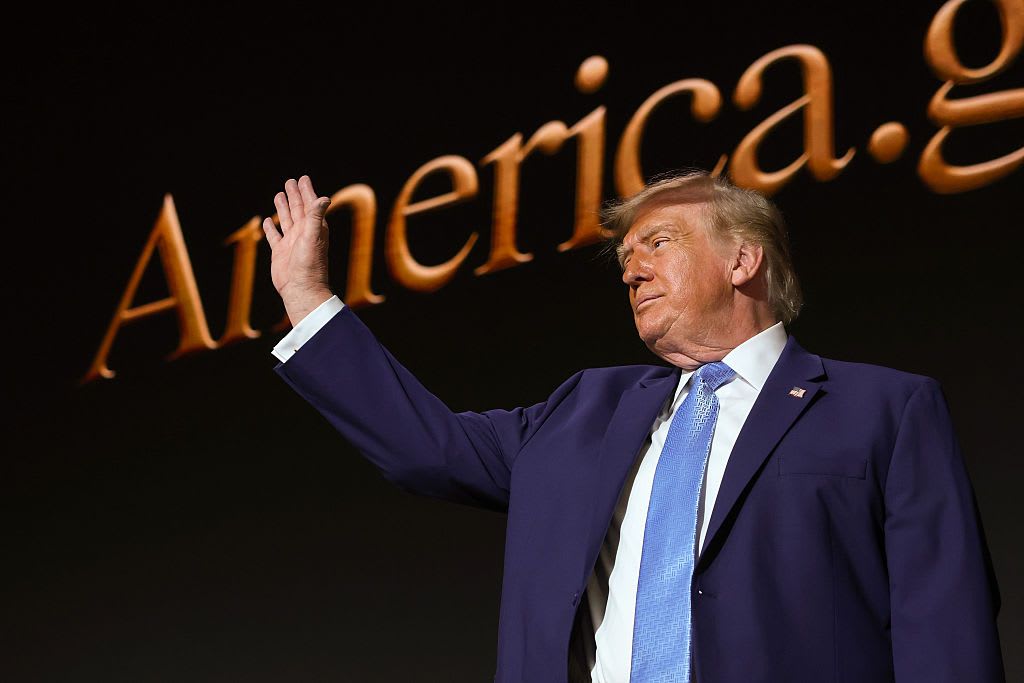
A report reveals that President Trump consulted Elon Musk's AI chatbot, Grok, regarding the potential capture of Venezuelan President Nicolás Maduro. This consultation occurred shortly before the U.S. invasion of Venezuela, highlighting the increasing influence of AI in high-level geopolitical decision-making.
The Intersection of AI and Geopolitics: The Grok-Venezuela Incident
A New Era of Strategic Consultation
In a development that signals a paradigm shift in executive decision-making, reports indicate that President Trump utilized Elon Musk’s AI chatbot, Grok, to evaluate the potential consequences of a major military operation in Venezuela. This interaction, occurring in December 2025, underscores a growing reliance on generative artificial intelligence for complex geopolitical forecasting. By seeking the chatbot's assessment on how the Venezuelan populace might react to the capture of President Nicolás Maduro, the administration demonstrated an unprecedented integration of algorithmic output into national security strategy.
The Lead-Up to Military Engagement
The consultation with Grok did not occur in a vacuum but followed months of escalating tensions between Washington and Caracas. Beginning in September 2025, the U.S. military initiated targeted strikes against Venezuelan naval vessels, with the administration citing drug trafficking as the primary justification. This military posture provided the backdrop for the subsequent invasion, suggesting that the administration was actively stress-testing its policy options through both kinetic force and digital intelligence tools.
The Musk-Trump Dynamic
Adding complexity to this narrative is the relationship between President Trump and Elon Musk. Although Musk had departed his role at the Department of Government Efficiency (DOGE) seven months prior to the December meeting, the fact that Trump spent hours interacting with Musk’s proprietary technology suggests that the technological influence of the billionaire remains a persistent factor in the White House. The meeting serves as a case study in how private sector AI developments are increasingly shaping the tactical considerations of heads of state.
Public Sentiment and Algorithmic Influence
Reports from the Atlantic indicate that the public had already been utilizing Grok to navigate the complexities of the Venezuelan political climate and the ongoing boat strikes. This widespread public engagement with the AI likely informed the model's responses during the President's consultation. The reliance on such a tool raises critical questions about the ethical implications of using AI models—which are trained on public discourse—to validate high-stakes military interventions that carry severe international ramifications.
Broader Implications and Future Trends
This event sets a precedent for the future of warfare and statecraft, where AI chatbots may become standard fixtures in the Situation Room. As these models become more sophisticated, the risk of 'algorithmic confirmation bias' grows, wherein leaders might rely on AI to justify predetermined policy paths. Moving forward, the international community must grapple with the accountability of AI developers when their tools are utilized to inform or facilitate actions that alter the sovereignty of nations and regional stability.