No more strikes on Iran? Trump says US going 'low key', stresses economic pressure
Source Entity
TOI WORLD DESK
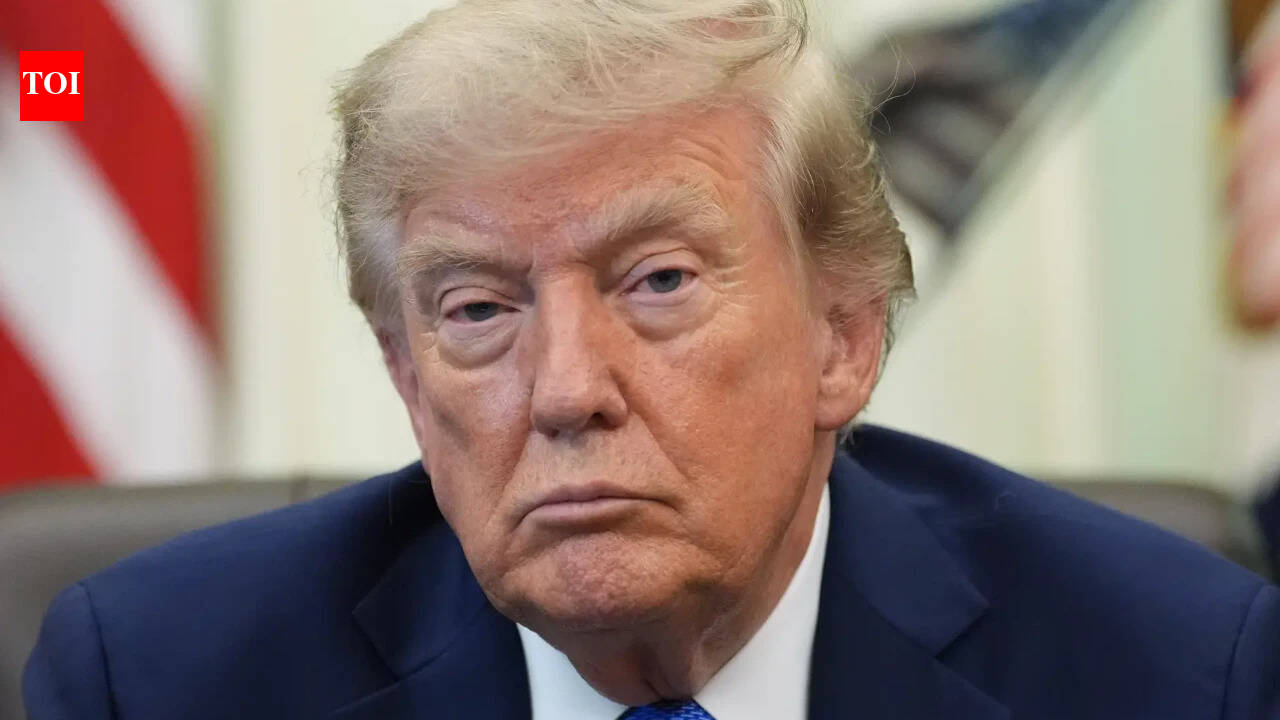
President Trump has signaled a shift toward economic pressure rather than military strikes against Iran. Meanwhile, Tehran has issued strict conditions for reopening the vital Strait of Hormuz, including the lifting of sanctions and the withdrawal of foreign forces.
The Shift in U.S.-Iran Strategy
Recent developments indicate a notable pivot in the Trump administration's approach toward Iran, moving away from explicit military threats toward a strategy described as "low-key." This transition follows a period of heightened rhetoric, during which the U.S. had previously issued threats of severe military retaliation. By opting for a strategy that emphasizes economic pressure over kinetic operations, the administration appears to be recalibrating its policy to avoid the direct costs and unpredictable consequences of an armed conflict.
The Strait of Hormuz Standoff
At the center of this geopolitical tension is the Strait of Hormuz, a critical maritime chokepoint for global energy supplies. Iran has maintained a blockade of the strait, effectively holding global energy logistics hostage to its diplomatic and economic demands. The closure is not merely a tactical maneuver but a strategic leverage point intended to force a change in the current international sanctions regime. The economic implications of this closure are profound, as the region remains a primary artery for global oil and gas distribution.
Tehran’s Diplomatic Demands
Iran has formalized a set of stringent conditions for the reopening of the Strait of Hormuz, signaling that it intends to use its geographic advantage to extract concessions. Tehran’s list of demands is extensive, ranging from the immediate cessation of hostile acts and the withdrawal of foreign military forces from the region to the comprehensive lifting of economic sanctions. Additionally, Iran is seeking financial compensation and the release of frozen assets, framing these as necessary steps for any potential de-escalation.
Analyzing the Economic Pressure Strategy
President Trump’s emphasis on economic pressure serves as the primary counter-strategy to Iran’s demands. By focusing on sanctions and financial isolation, the U.S. aims to weaken Iran’s capacity to project power without engaging in a direct military confrontation. This approach carries historical weight, as economic warfare has long been used as a tool to induce regime behavior change. However, the efficacy of this strategy depends heavily on the international community's willingness to sustain the pressure.
Future Implications for Global Security
The standoff over the Strait of Hormuz creates a precarious environment where any miscalculation could lead to unintended escalation. As the U.S. pursues a "low-key" policy, the burden falls on diplomatic channels to address Iran's demands regarding sanctions and foreign presence. The future of global energy markets and regional stability remains tethered to these negotiations, with both parties currently locked in a cycle of demands and strategic posturing that leaves little room for immediate compromise.
Conclusion
In summary, the situation is defined by a standoff between Washington's reliance on economic containment and Tehran's aggressive use of maritime leverage. While the threat of direct military conflict appears to have receded in favor of a "low-key" approach, the underlying grievances remain unresolved. The reopening of the Strait of Hormuz will likely necessitate a complex diplomatic resolution that addresses the demands for sanction relief and the broader security architecture of the Persian Gulf.
Multiple Citing Sources