"We're Low-Keying It": Trump On US-Iran Negotiations
Source Entity
NDTV News Search Records Found 1000
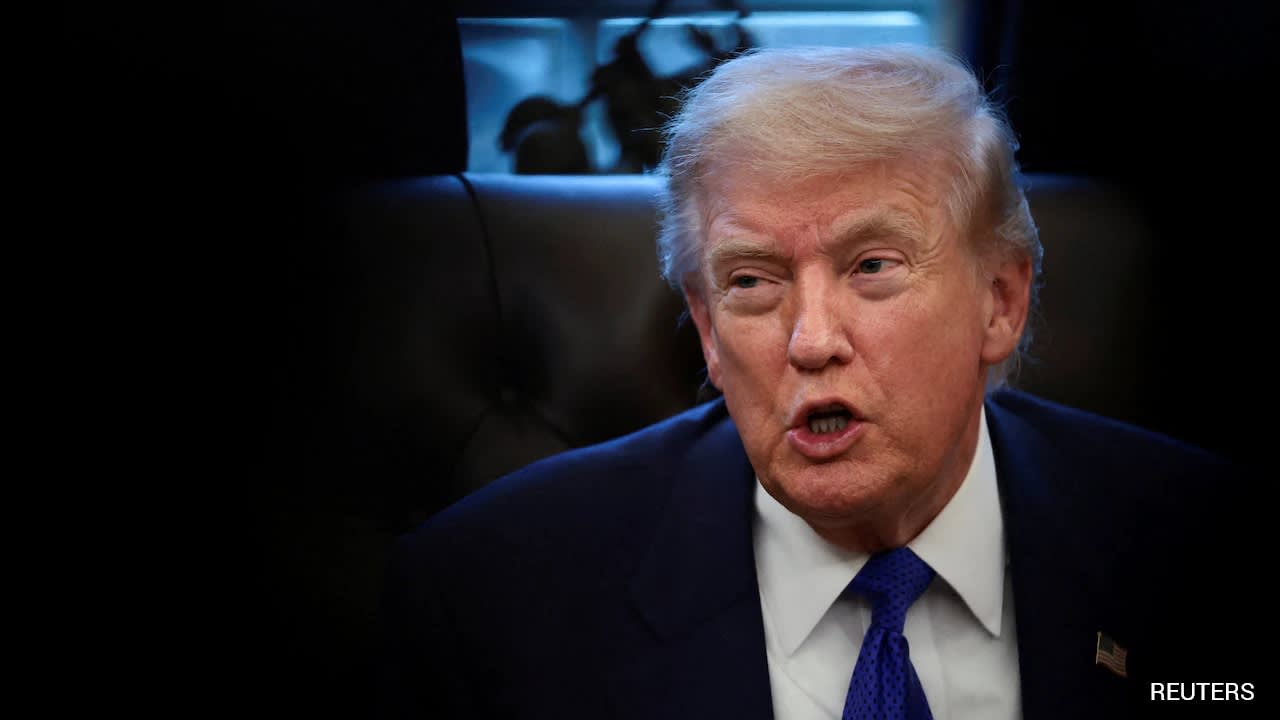
Tensions between the US and Iran have reached a critical point as Tehran demands sanctions relief and asset releases to reopen the Strait of Hormuz. Meanwhile, Donald Trump continues to apply economic pressure, citing Iran's historical 'bad behaviour' and currency devaluation.
The Escalating Standoff: US-Iran Relations at a Crossroads
The geopolitical landscape surrounding the Strait of Hormuz has entered a period of extreme volatility. Iran has formally stipulated a series of rigorous conditions for the reopening of this vital maritime artery, including the cessation of perceived foreign aggression, the withdrawal of international military forces, comprehensive sanctions relief, and the unfreezing of Iranian assets. This ultimatum represents a significant hardening of Tehran's stance, directly challenging the existing US-led security framework in the Gulf.
Economic Warfare as a Diplomatic Tool
Parallel to the maritime blockade, the United States, led by Donald Trump, has intensified its reliance on economic pressure. Trump’s recent social media commentary, which characterizes the Iranian rial as 'trash' and attributes the nation's economic decline to '51 years of bad behaviour,' underscores a strategy of psychological and fiscal attrition. By highlighting the sharp depreciation of the rial against the dollar, the US administration aims to frame the Iranian government as financially insolvent and incapable of sustaining its regional military posture.
The Strategic Significance of Hormuz
The closure of the Strait of Hormuz is not merely a regional dispute; it is a global economic threat. As one of the world's most critical 'choke points' for energy transit, any prolonged blockade risks destabilizing global oil markets and inflating energy prices. Iran’s demand for compensation and asset release suggests that Tehran is leveraging this strategic vulnerability to force a negotiation table that addresses its foundational economic grievances rather than just military de-escalation.
The 'Low-Key' Rhetoric vs. Hardline Threats
Despite the gravity of the situation, the rhetoric from Washington remains contradictory. While Trump has recently pivoted to a 'low-key' approach regarding potential negotiations, this follows a sequence of explicit threats to strike Iran with significant force. This oscillation between aggressive military posturing and claims of diplomatic indifference creates a complex, unpredictable environment for international observers and regional allies who are attempting to de-escalate the standoff.
Historical Context and Future Implications
For over five decades, the bilateral relationship has been defined by a cycle of confrontation, sanctions, and proxy conflicts. Trump’s invocation of '51 years of bad behaviour' signals a refusal to engage in traditional diplomatic normalization, opting instead for a 'maximum pressure' campaign. Moving forward, the standoff will likely hinge on whether the Iranian leadership can withstand the economic strain or if the US will be forced to choose between direct military engagement and the economic concessions Tehran is now demanding as a prerequisite for regional stability.
Multiple Citing Sources
Verification Required?