A Trump-Linked Crypto Firm Just Won Approval for a National Bank, and the Regulator’s Decision Listed Every Conflict of Interest But Approved It Anyway
Source Entity
Yahoo Finance
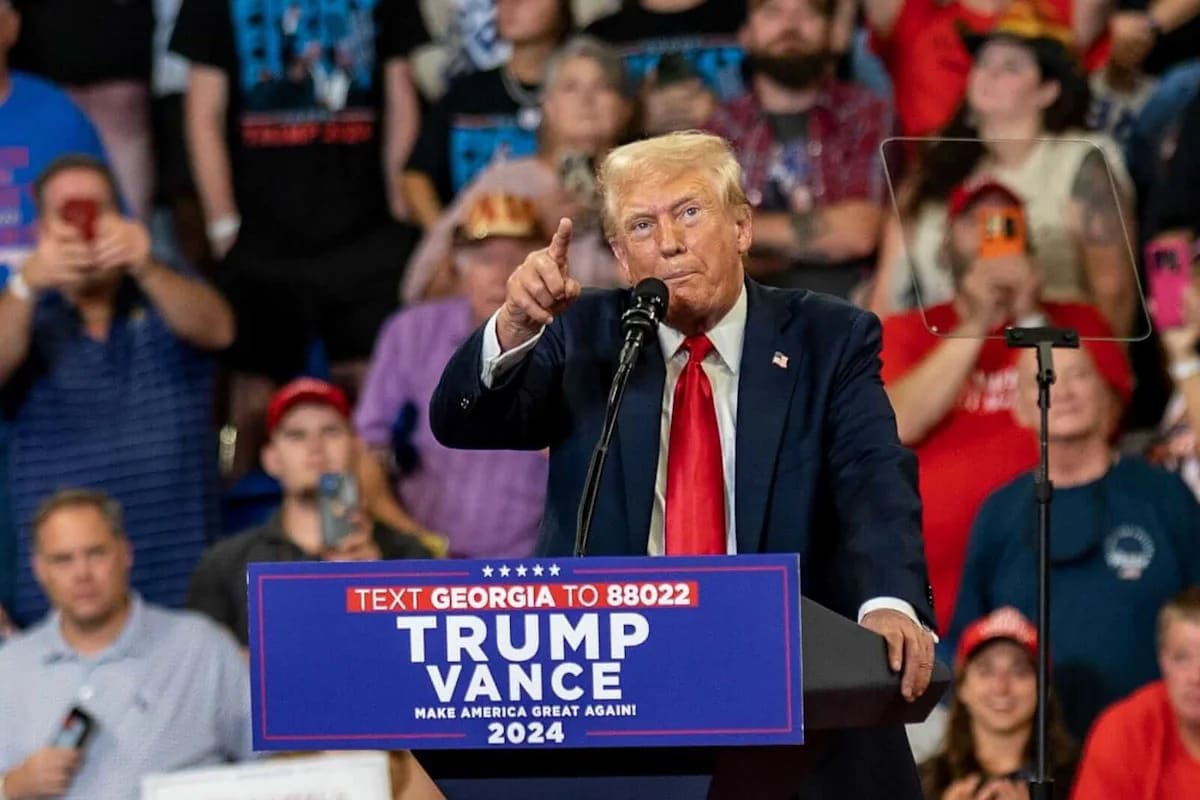
A Trump-linked crypto firm, World Liberty Financial, has received preliminary federal approval for a trust bank charter. The venture is backed by a 49% stake from a group led by UAE official Sheikh Tahnoon bin Zayed al Nahyan.
The Emergence of World Liberty Financial
The landscape of digital finance is undergoing a significant transformation with the preliminary federal approval of a trust bank charter for a venture linked to the Trump family, known as World Liberty Financial. This development marks a intersection of high-stakes politics and the burgeoning cryptocurrency market. While the approval is currently preliminary, it signals a move toward bringing the issuance, redemption, and custody of the project’s USD1 stablecoin under a framework of federal supervision, a move that carries profound implications for the regulatory treatment of digital assets.
Regulatory Nuances of the Trust Charter
It is critical to distinguish between a trust charter and a traditional deposit-taking bank charter. The regulatory documentation is explicit: under the GENIUS Act, payment stablecoins are not classified as deposits under the FDI Act. Consequently, these assets are not subject to deposit insurance by the FDIC, and the firm is legally prohibited from representing them as such. This distinction is vital for investors, as it clarifies that the venture is not assuming the traditional risks or protections associated with commercial banking, but rather focusing on digital asset custody and stablecoin management.
Geopolitical Ties and Ownership Structures
Beyond the regulatory mechanics, the ownership structure of the venture has garnered intense scrutiny. Reports indicate that StringZ Holding RSC, an entity backed by UAE national security advisor Sheikh Tahnoon bin Zayed al Nahyan and his co-investors, holds a 49% stake in WLTC Holdings, the holding company for the bank. Simultaneously, an entity affiliated with the Trump family maintains a 38% stake. The involvement of Sheikh Tahnoon—often referred to as the 'spy sheikh'—highlights the deep financial integration between the UAE’s leadership and the Trump family’s business interests, particularly following a $500 million investment made in January 2025.
Operational Scope and Future Hurdles
The proposed activities for this trust bank are specific: dollar-backed stablecoin issuance, redemption, and reserve maintenance in a nonfiduciary capacity, alongside digital asset custody services. However, this preliminary approval is not a green light to commence operations immediately. The firm must satisfy rigorous pre-opening requirements before final authorization is granted. The regulator’s decision to move forward despite noted conflicts of interest suggests a complex balancing act between promoting financial innovation and maintaining oversight standards.
Broader Market Implications
This move sets a precedent for how crypto-native firms might seek legitimacy in the United States. By securing a trust charter, World Liberty Financial is positioning itself to operate within a federal sandbox, potentially setting the stage for more crypto entities to pursue similar paths. However, the lack of FDIC insurance and the specific nature of these charters mean that the broader market will be watching closely to see if this model provides the intended stability or introduces new systemic risks to the digital asset ecosystem.
Conclusion
As the project moves toward final authorization, the convergence of geopolitical influence and federal regulatory approval will continue to be a focal point of debate. The success of this venture will likely depend on its ability to adhere to the strict limitations placed upon its charter while navigating the complex international partnerships that define its ownership. Whether this model becomes a blueprint for future crypto banks or remains a unique case study in political-financial intersectionality remains to be seen.
Multiple Citing Sources